


Listen to the article
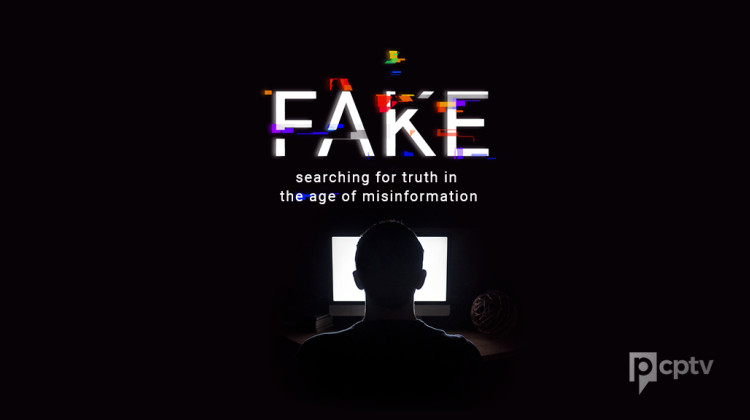
In an era where information flows ceaselessly through social media feeds, news websites, and messaging apps, distinguishing fact from fiction has become increasingly challenging for the average person. A new documentary series, “Fake: Searching for Truth in the Age of Misinformation,” aims to equip viewers with practical tools to navigate this complex information landscape.
The series addresses a growing concern among media experts and educators: as the volume of available news continues to expand exponentially, many Americans struggle to identify reliable sources and evaluate the credibility of information they encounter daily. Recent studies from the Pew Research Center indicate that nearly 64% of Americans say fabricated news stories cause “a great deal of confusion” about basic facts.
“We’re living in a time when information warfare has become mainstream,” explains media literacy expert Claire Wardle, who is featured in the documentary. “What makes today’s misinformation particularly dangerous is how it often contains elements of truth mixed with falsehood, making it more difficult to spot.”
The documentary doesn’t simply highlight the problem—it offers practical solutions. By drawing from critical thinking strategies and established journalistic standards, viewers learn specific techniques to evaluate news content across platforms. These include examining source credibility, identifying emotional manipulation tactics, recognizing context removal, and understanding how headlines can be crafted to mislead.
Social media platforms have become primary battlegrounds in the fight against misinformation. Facebook, Twitter, and YouTube have implemented various measures to combat false information, particularly around elections and public health issues like COVID-19. However, critics argue these efforts remain insufficient as misinformation continues to spread rapidly through algorithmic amplification.
The series also explores how technological advances have complicated matters. Deep fake videos, which use artificial intelligence to create convincing but fabricated footage, represent a growing threat to information integrity. These sophisticated manipulation techniques can make it appear as though public figures said or did things they never actually did.
“What’s particularly concerning is how misinformation exploits existing divisions in society,” notes political scientist Sarah Kendzior in the documentary. “False stories often succeed because they confirm what certain groups already believe or fear, making fact-checking an uphill battle.”
Media literacy experts featured in the series emphasize that combating misinformation requires more than just individual vigilance—it needs institutional support. Several countries, including Finland and Sweden, have incorporated media literacy into their educational curricula starting in elementary school, creating more resilient information ecosystems.
The documentary also highlights success stories where communities have effectively countered misinformation campaigns. During the 2020 election, for instance, several local news organizations partnered with fact-checking organizations to create rapid-response teams that addressed false claims about voting procedures.
For individuals seeking to improve their media literacy skills, the series recommends specific strategies: diversifying news sources, verifying information before sharing, checking dates and context, reading beyond headlines, and identifying whether content is news, opinion, or advertising.
“The goal isn’t to make everyone a professional fact-checker,” explains the documentary’s director. “Rather, we want to encourage healthy skepticism and provide basic tools that anyone can use to make better information decisions in their daily lives.”
The series, produced by PBS, comes at a critical moment when trust in media institutions has declined significantly. According to Gallup polling, Americans’ trust in mass media has fallen from 72% in 1976 to just 40% today—a trend that media experts consider dangerous for democratic societies that depend on informed citizens.
“Fake: Searching for Truth in the Age of Misinformation” is currently available for streaming on PBS platforms and is being incorporated into educational programs nationwide as part of broader efforts to strengthen media literacy in communities most vulnerable to misinformation.
Fact Checker
Verify the accuracy of this article using The Disinformation Commission analysis and real-time sources.

9 Comments
This is a timely and critical issue. I appreciate the documentary’s focus on providing solutions, not just highlighting the problem. Media literacy has to be a priority in our digital world.
The statistic about 64% of Americans feeling confused by fabricated news stories is quite concerning. Clearly there’s a major need for improved media literacy education and tools.
This documentary series sounds like an important step in helping people navigate the ever-growing sea of online information. Fact-checking and media literacy are crucial skills in the digital age.
With the volume of information we’re all exposed to daily, having the right skills to evaluate sources and spot misinformation is crucial. Glad to see this documentary tackling such an important issue.
Information warfare has become mainstream – that’s a sobering reality. I look forward to seeing how this documentary addresses that challenge and empowers viewers to be more discerning consumers of online content.
Mixing truth with falsehood is a worrying trend that makes it so much harder to identify reliable sources. I’m glad this documentary is aiming to provide practical tools to combat misinformation.
It’s alarming how widespread misinformation has become. I’ll have to check out this documentary series – equipping the public with the right skills to evaluate online content is sorely needed.
As someone who closely follows news and current events, I know firsthand how challenging it can be to separate fact from fiction these days. This documentary series sounds like a valuable resource.
Navigating truth in the age of misinformation is no easy feat. I’m curious to see what specific strategies and techniques the documentary recommends for spotting fake news and verifying information sources.