


Listen to the article
News Media’s Role in Spreading Disinformation Through “Native Advertising”
In an era where concerns about disinformation dominate public discourse, research reveals a troubling contributor to this problem: mainstream news outlets themselves. Media consumers focused on identifying false information from fringe sources may be overlooking deceptive practices happening within established news platforms, according to recent findings discussed by a leading media researcher.
The growing practice of “native advertising” – paid content deliberately designed to mimic legitimate news articles – has become increasingly prevalent across digital news platforms. More concerning, evidence suggests this advertising strategy may be influencing the actual journalism appearing alongside it, potentially undermining public trust in legitimate reporting.
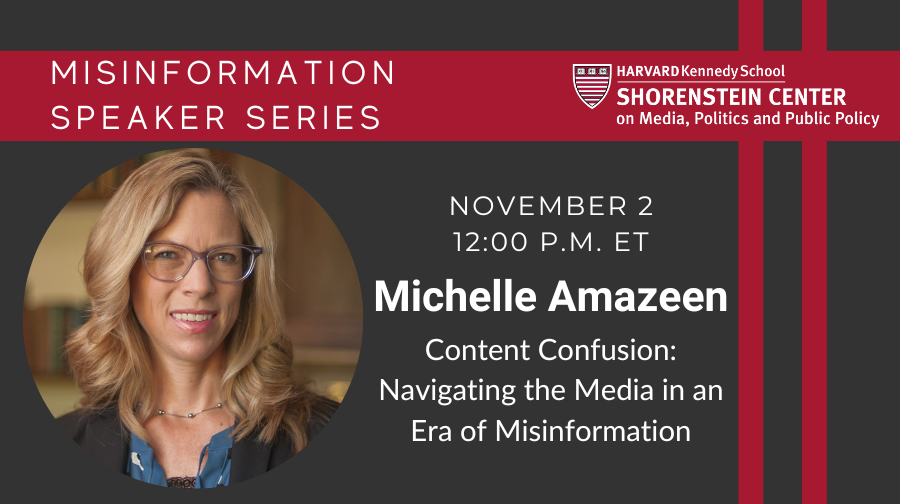
Dr. Michelle A. Amazeen, Director of the Communication Research Center and associate professor at Boston University, has been investigating this phenomenon as part of her research on mediated persuasion and misinformation. Her work reveals how the boundaries between advertising and editorial content have significantly eroded in recent years.
“Many news consumers don’t realize they’re reading paid content because it’s intentionally designed to blend in with legitimate reporting,” Dr. Amazeen explained during a recent presentation on the topic. “This practice raises serious ethical questions about transparency and journalistic integrity.”
The origins of native advertising trace back to traditional advertorials, but digital media has transformed and amplified the practice. As news organizations struggle with declining revenue models, many have embraced native advertising as a financial solution – sometimes at the expense of clear ethical boundaries.
What makes this trend particularly concerning is how it affects audience perceptions. Research indicates many readers cannot distinguish between native advertising and legitimate news content, especially when the advertisements use journalistic formatting, similar fonts, and position themselves alongside factual reporting on the same platform.
More troubling still is evidence suggesting the influence flows both ways. Dr. Amazeen’s research indicates that editorial decisions about legitimate news content may be influenced by the interests of native advertising clients, creating potential conflicts of interest that readers remain unaware of.
This blurring of lines between advertising and journalism has significant implications for democratic discourse. When citizens cannot differentiate between factual reporting and paid messaging, their ability to make informed decisions becomes compromised. This problem compounds existing challenges with misinformation from social media and partisan sources.
Media literacy experts suggest this trend represents a new frontier in the fight against misinformation. While much attention has focused on detecting obviously false information online, identifying subtle commercial influence within trusted news sources requires different critical thinking skills.
The media industry faces difficult questions about sustainability and ethical practice in this environment. While native advertising provides crucial revenue for struggling news organizations, its implementation without proper disclosure or with excessive similarity to genuine reporting risks undermining the very credibility these organizations depend upon.
Regulatory bodies like the Federal Trade Commission have established guidelines requiring clear disclosure of native advertising, but enforcement remains challenging. The effectiveness of current disclosure methods – often small labels indicating “sponsored content” or “partner content” – appears questionable based on audience recognition studies.
Dr. Amazeen’s research at Boston University employs both qualitative and quantitative methods to understand this phenomenon, developing practical applications for journalists, educators, and media consumers. Her work at the intersection of journalism studies, media effects, and political communication aims to help audiences recognize and resist subtle forms of persuasion embedded in what appears to be objective reporting.
For news consumers, the implications are clear: critical evaluation of information sources should extend beyond obviously questionable websites to include content from mainstream outlets. Developing the ability to identify native advertising and understand its potential influence on adjacent journalism has become an essential media literacy skill in today’s information environment.
As this practice evolves, the challenge for democratic societies remains finding sustainable models for quality journalism that don’t compromise the accuracy and independence that make news valuable in the first place.
Fact Checker
Verify the accuracy of this article using The Disinformation Commission analysis and real-time sources.

6 Comments
As someone who follows mining and commodity news closely, I’m curious to see how this issue might impact reporting in our industry. Maintaining journalistic integrity and transparency will be crucial, especially given the high-stakes financial implications of this sector.
This is an important issue that deserves more attention. The rise of ‘native advertising’ is really troubling, as it can subtly shape the news we consume without us realizing it. Rigorous media literacy education seems vital to empower readers to identify these deceptive practices.
I agree, it’s a complex challenge without any easy solutions. Rebuilding trust in media will require concerted efforts from both journalists and consumers.
Excellent piece highlighting the troubling rise of ‘native advertising’ and its potential to undermine trust in media. As an investor focused on mining and commodities, I’m particularly concerned about how this could impact the reliability of industry news and analysis. Transparency is key.
This article highlights the insidious nature of ‘native advertising’ and how it can subtly distort the information we’re exposed to. In the mining and energy sectors, where accurate data is so important, I hope journalists and outlets remain vigilant about separating ads from editorial content.
Fascinating article on the growing problem of misinformation in media. It’s concerning to see how ‘native advertising’ can blur the lines between ads and legitimate journalism, potentially undermining public trust. Fact-checking and transparency seem crucial to navigate this landscape.