


Listen to the article
Navigating the Maze of Health Misinformation Online
In an era where social media dominates information consumption, misleading health advice has proliferated at an alarming rate, leaving many vulnerable to potentially harmful guidance. Medical professionals are increasingly concerned about the spread of health misinformation and its impact on patient care and public health.
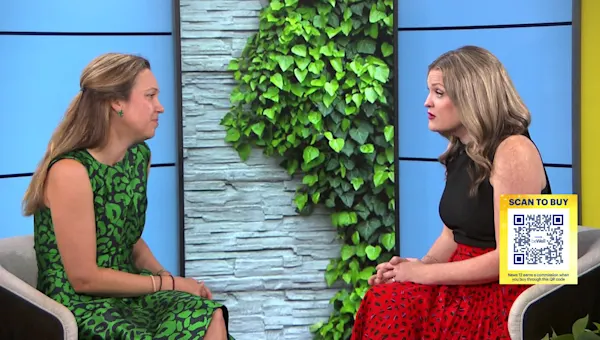
Dr. Erin Nance, orthopedic surgeon and author of the recently published book “Little Miss Diagnosed,” has observed this troubling trend throughout her medical practice. “The internet has democratized access to health information, which can be empowering, but it has also created an environment where anyone can pose as an expert regardless of their credentials,” she explains.
The problem has intensified since the COVID-19 pandemic, which saw a surge in unverified health claims circulating online. According to a 2022 study by the Journal of Medical Internet Research, nearly 40 percent of health-related content shared on popular social media platforms contains misleading or outright false information. These posts often gain traction through compelling personal testimonials and sensationalized claims.
“What makes health misinformation particularly dangerous is that it often contains kernels of truth mixed with significant inaccuracies,” notes Dr. Nance. “This makes it difficult for the average person to distinguish reliable information from misleading content.”
Social media algorithms exacerbate the problem by promoting engaging content regardless of its accuracy. Posts featuring quick fixes and miracle cures typically generate more interaction than nuanced medical advice, giving them wider circulation and perceived credibility.
Women’s health has been particularly affected by online misinformation. Dr. Nance points out that many female patients come to appointments having already formed conclusions based on information from social media influencers with no medical training. “There’s a troubling pattern of dismissing or misdiagnosing women’s health concerns in traditional medical settings, which drives many women to seek answers online,” she says.
Medical experts recommend several strategies for evaluating health information before acting on it. First, consider the source’s credentials and potential conflicts of interest. Information from established medical institutions, peer-reviewed journals, and board-certified healthcare providers generally offers more reliability than anonymous accounts or those selling products.
“Look for consensus rather than outliers,” advises Dr. Nance. “If a treatment or diagnosis is only mentioned by one source and contradicts established medical understanding, that’s a red flag.”
Consumers should also be wary of content that uses emotional language, makes claims about “cures” rather than treatments, or positions itself as revealing “what doctors don’t want you to know.” Such framing often signals misinformation.
The rise of artificial intelligence has further complicated the landscape. AI-generated health content can appear credible while containing significant inaccuracies or outdated information. Healthcare professionals advise maintaining healthy skepticism about health guidance found online, regardless of how professionally it’s presented.
Digital health literacy—the ability to find, evaluate, and apply online health information—has become an essential skill in the modern information ecosystem. Several hospitals and public health organizations now offer resources to help patients develop these critical assessment skills.
Despite these challenges, experts acknowledge that online health communities can provide valuable support, particularly for those with chronic or rare conditions. “The key is distinguishing between emotional support and medical advice,” emphasizes Dr. Nance. “Online communities excel at the former but should not replace professional guidance for the latter.”
Healthcare providers are adapting to this new reality by proactively discussing common misconceptions during appointments and directing patients to reliable online resources. Many medical practices now maintain social media presences specifically to counter misinformation with evidence-based content.
As digital platforms continue evolving, medical experts stress the importance of maintaining open communication between patients and healthcare providers. “The most effective defense against misinformation is a strong doctor-patient relationship where patients feel comfortable discussing information they’ve found online,” concludes Dr. Nance.
For those navigating health concerns, experts recommend consulting primary care providers before making significant changes based on online health information—a simple step that could prevent complications and ensure appropriate care.
Fact Checker
Verify the accuracy of this article using The Disinformation Commission analysis and real-time sources.

29 Comments
Exploration results look promising, but permitting will be the key risk.
Good point. Watching costs and grades closely.
Good point. Watching costs and grades closely.
Nice to see insider buying—usually a good signal in this space.
Good point. Watching costs and grades closely.
Interesting update on Navigating Health Information Online: A Guide to Avoiding Misinformation. Curious how the grades will trend next quarter.
Nice to see insider buying—usually a good signal in this space.
Good point. Watching costs and grades closely.
Exploration results look promising, but permitting will be the key risk.
Good point. Watching costs and grades closely.
Silver leverage is strong here; beta cuts both ways though.
Good point. Watching costs and grades closely.
If AISC keeps dropping, this becomes investable for me.
Good point. Watching costs and grades closely.
Good point. Watching costs and grades closely.
Exploration results look promising, but permitting will be the key risk.
Good point. Watching costs and grades closely.
Good point. Watching costs and grades closely.
Production mix shifting toward News might help margins if metals stay firm.
Good point. Watching costs and grades closely.
Good point. Watching costs and grades closely.
Silver leverage is strong here; beta cuts both ways though.
Good point. Watching costs and grades closely.
Good point. Watching costs and grades closely.
Silver leverage is strong here; beta cuts both ways though.
I like the balance sheet here—less leverage than peers.
Exploration results look promising, but permitting will be the key risk.
Good point. Watching costs and grades closely.
Exploration results look promising, but permitting will be the key risk.