


Listen to the article
Misleading Online Information Puts Infant Sleep Safety at Risk, Investigation Finds
A new investigation by Consumer Reports has uncovered widespread misinformation about infant sleep safety across social media platforms, e-commerce sites, and even AI chatbots, potentially endangering babies’ lives.
The investigation reveals that well-intentioned parents may be receiving dangerous advice that contradicts established safety guidelines, creating confusion during a particularly vulnerable time for new families.
Shayna Raphael experienced this danger firsthand in the most devastating way possible. Her daughter Claire died while sleeping on an adult mattress at daycare—a death Raphael describes as “absolutely preventable.”
“Had she been in a safe sleep environment, had she been in the crib that we thought she was sleeping in, she would still be here today,” Raphael told investigators.
Following her tragedy, Raphael established the Claire Bear Foundation, using platforms like Instagram and TikTok to share critical safety information with parents. However, her evidence-based advice competes with a flood of misleading content across social media.
Recent studies paint an alarming picture: more than 90 percent of infant sleep images shared on Instagram depicted unsafe sleep environments. These images frequently show babies sleeping on their stomachs or surrounded by suffocation hazards like pillows, blankets, and stuffed animals—all practices that directly contradict established safety guidelines from medical authorities.
The problem extends beyond individual influencers. Consumer Reports found that major online retailers frequently send mixed messages about product safety. For example, a product listing might include a disclaimer stating a baby lounger is “not safe for infant sleep,” while simultaneously featuring photos of infants sleeping peacefully in the same product.
“Which one is a sleep-deprived parent going to remember?” questioned Consumer Reports researchers, highlighting how visual cues often override written warnings for exhausted new parents seeking solutions.
Perhaps most concerning is the emergence of artificial intelligence as a source of dangerous advice. The investigation found that AI chat programs sometimes recommend sleep practices linked to increased infant mortality risks, underscoring how these technologies prioritize providing answers users want to hear rather than evidence-based safety information.
“Online tools like AI, search, and social media tend to give you the answers you want to hear, and those might be different from what the evidence shows is safe,” warned Consumer Reports.
The stakes couldn’t be higher. Sleep-related infant deaths remain a significant concern in the United States, with approximately 3,400 babies dying suddenly and unexpectedly each year, according to CDC data. Many of these deaths occur in unsafe sleep environments and are considered preventable with proper education and practices.
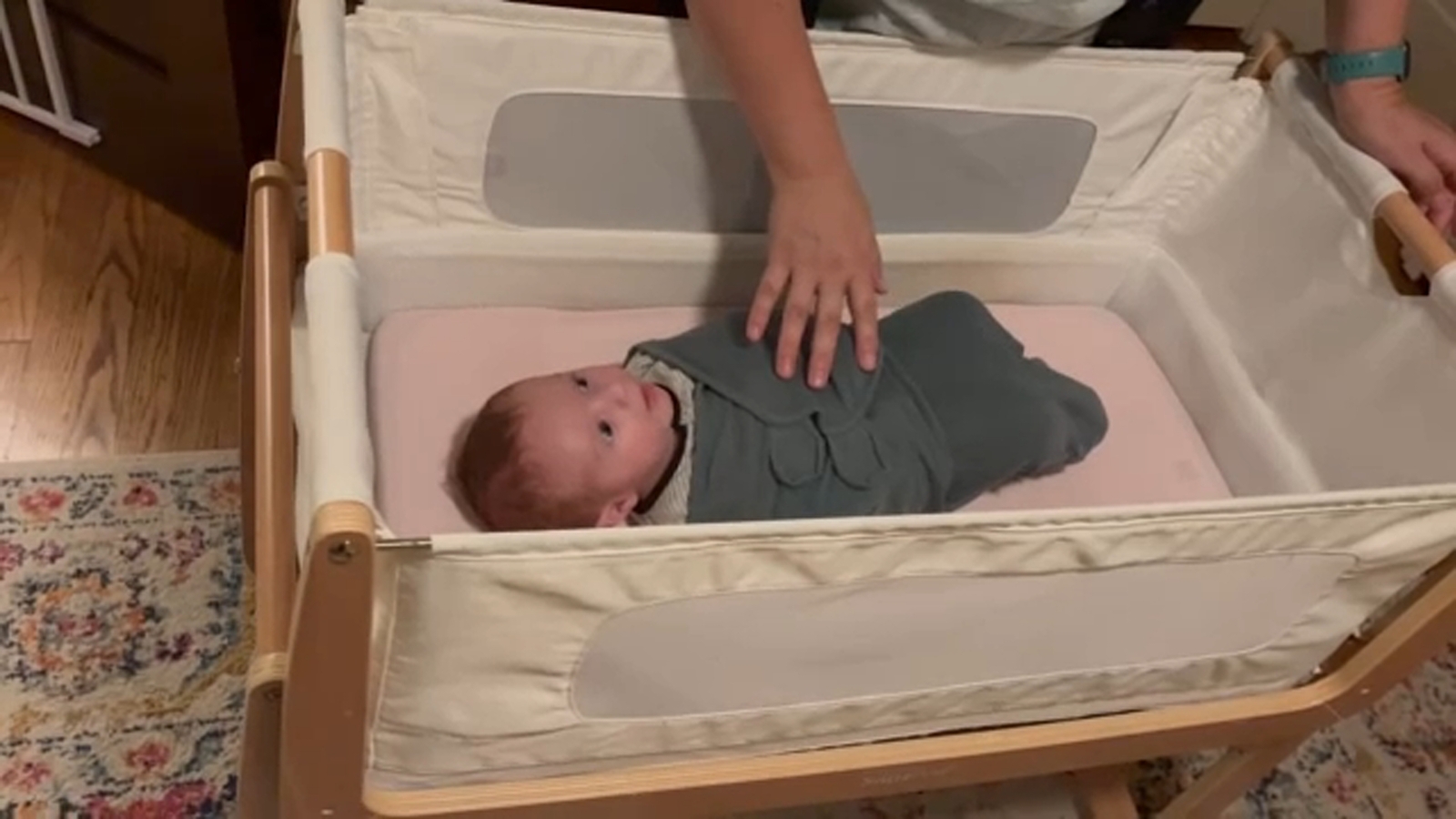
The American Academy of Pediatrics maintains clear guidelines for infant sleep safety: babies should sleep alone, on their backs, on a firm, flat surface free of soft bedding or other objects. Yet the Consumer Reports investigation shows these simple but critical guidelines are frequently contradicted online.
The digital misinformation problem has caught the attention of federal regulators. Last year, the Consumer Product Safety Commission intensified efforts to remove unsafe infant sleep products from the market and improve safety standards. However, enforcement challenges remain, particularly with the rapid spread of misinformation through social media channels.
For parents navigating this confusing landscape, experts recommend consulting trusted sources directly. Organizations like the American Academy of Pediatrics, Consumer Reports, and the Consumer Product Safety Commission provide evidence-based guidelines based on decades of research rather than trending content or algorithm-driven responses.
As social media’s influence continues to grow, advocates like Raphael remain committed to countering dangerous misinformation. Through her foundation’s work, she hopes to prevent other families from experiencing the heartbreak that changed her life forever—a mission that becomes increasingly urgent as digital platforms blur the line between helpful advice and dangerous misinformation.
Fact Checker
Verify the accuracy of this article using The Disinformation Commission analysis and real-time sources.

11 Comments
Informative article highlighting the critical need for accurate, evidence-based guidance on infant sleep safety. It’s concerning to see the spread of misleading information that could endanger young lives. Kudos to the Claire Bear Foundation for their important work raising awareness.
This is a really important issue that deserves urgent attention. Infant sleep safety shouldn’t be a matter of opinion or misinformation. Glad to see this investigation shedding light on the dangers and the need for better education and oversight.
Tragic to hear about the loss of life due to unsafe sleep practices. The Claire Bear Foundation’s work to spread accurate information is commendable. Platforms need to do more to combat the spread of dangerous misinformation, especially on sensitive topics like infant care.
Tragic story, but an important reminder that we can’t take infant sleep safety for granted. Kudos to the Claire Bear Foundation for turning their personal loss into an effort to save other lives. We need more initiatives like this.
Tragic story, but an important wake-up call. Misleading information about infant sleep safety should not be tolerated, especially on platforms that new parents rely on. Kudos to the investigators for bringing this issue to light and highlighting the urgent need for change.
Kudos to Consumer Reports for investigating this critical public health issue. It’s alarming to see the extent of misinformation around infant sleep safety, putting vulnerable babies at risk. We need to do better at providing parents with reliable, evidence-based guidance.
Concerning to hear about the prevalence of misleading information around infant sleep practices. Establishing clear, evidence-based guidelines and making sure they reach new parents is critical. This investigation highlights an important public health issue.
Agreed. Providing authoritative, up-to-date resources on safe infant sleep is essential. Social media platforms need to crack down on the spread of misinformation that could put babies at risk.
This is a serious issue that deserves attention. Misinformation on social media can have real-world consequences, especially for vulnerable populations like new parents. I’m glad to see this investigation bringing these dangers to light.
Absolutely. Fact-checking and verifying information sources is so important, especially for sensitive topics like infant care. Platforms need to do more to combat the spread of dangerous misinformation.
This is a sobering reminder of the real-world consequences misinformation can have, especially when it comes to infant safety. Glad to see the Claire Bear Foundation working to educate parents and combat these dangerous misconceptions. Social media platforms have a responsibility to address this problem.