


Listen to the article
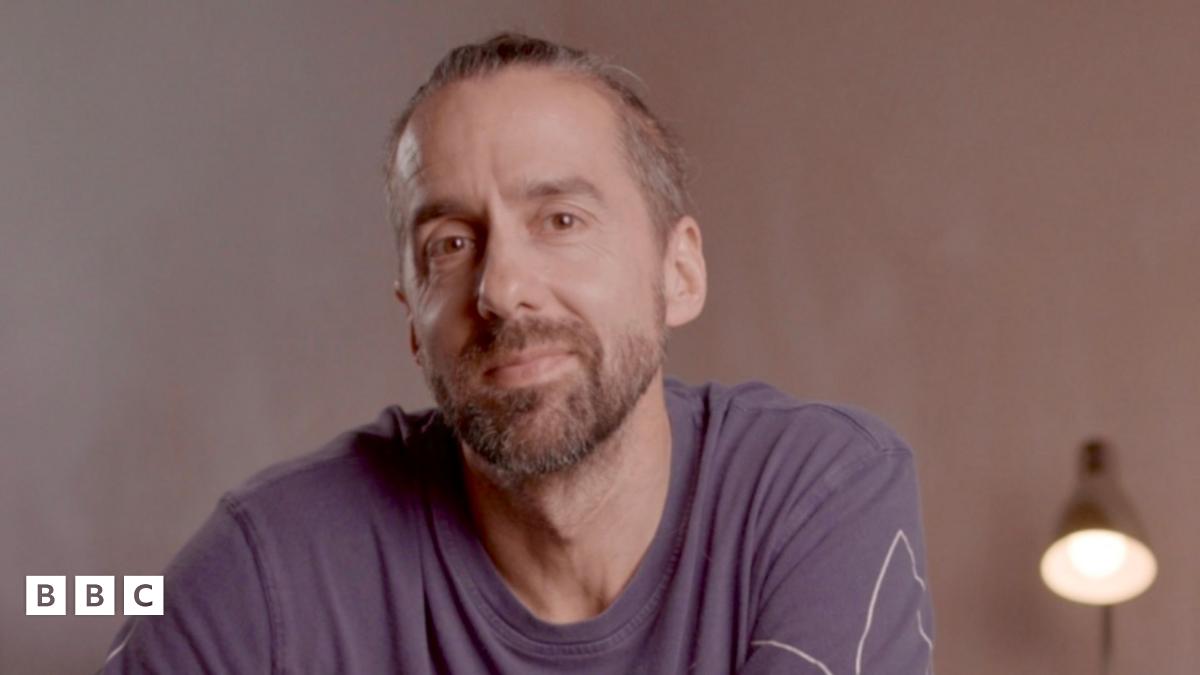
In a media landscape increasingly dominated by disinformation, playwright James Bartlett argues that the roots of our “fake information” crisis stretch far deeper than recent technological developments. His new BBC production explores how society’s relationship with truth has evolved through entertainment, politics, and media over several decades.
Bartlett challenges the notion that artificial intelligence alone is responsible for today’s crisis of authenticity. Instead, he traces the lineage of acceptable fakery back to professional wrestling’s popularity surge in late 1970s Britain. The industry term “kayfabe” – describing staged elements that audiences knowingly accept as real – became an early template for blending fact and fiction in entertainment.
This evolution continued through the early 2000s with the rise of structured reality television. Shows like “The Only Way Is Essex” and “Made in Chelsea” featured real individuals playing heightened versions of themselves in manufactured scenarios, further normalizing a blurred line between authentic and contrived content for mainstream audiences.
The cultural shift accelerated dramatically following two watershed moments: the 2008 global financial crisis and the 2009 MPs’ expenses scandal in the UK. These events, according to Bartlett, triggered unprecedented public distrust in established institutions.
“There was an increasingly pervasive idea that everyone in power’s cheating, everyone’s lying, so why should you believe anyone?” Bartlett explains. This widespread cynicism created fertile ground for dismissing legitimate criticism as fabricated. “It makes it easier for people who are criticised by [the professional media] to say it’s all a load of fake news.”
The playwright’s analysis points to a troubling feedback loop. As public trust in traditional information gatekeepers eroded, alternative media sources emerged to fill the void. Podcasts, social media influencers, and partisan news sites gained traction by positioning themselves against establishment sources, often without the same editorial standards or accountability mechanisms.
Bartlett takes aim at both traditional and alternative media ecosystems. He criticizes mainstream outlets for sometimes reinforcing existing worldviews rather than challenging assumptions, while noting that emerging platforms often operate with minimal oversight or fact-checking protocols.
The consequences of this shift extend beyond media consumption habits. Political polarization has intensified as citizens retreat into information bubbles that confirm pre-existing beliefs. Research shows that false information now spreads faster and reaches more people than verified facts on many social platforms, creating parallel realities where basic truths are contested.
While Bartlett acknowledges he doesn’t have comprehensive solutions to the problem, he believes professional journalism must play a critical role in rebuilding public trust. “Journalists have to understand we like reporting stories that fit our worldviews, and we have to report the stories that might make us a bit uncomfortable,” he says.
He specifically challenges the BBC to maintain coverage that reflects diverse perspectives across the UK, even when topics might prove controversial to certain audiences. This approach, he suggests, could help rebuild credibility among demographics that have grown skeptical of mainstream reporting.
As artificial intelligence tools make distinguishing between authentic and generated content increasingly difficult, Bartlett’s historical perspective serves as a reminder that technology merely accelerates existing social trends rather than creating them from scratch.
The exploration of these themes is available in Bartlett’s program “Everything is Fake,” now streaming on BBC Sounds. The production offers a timely examination of how entertainment conventions, institutional failures, and technological advances have collectively reshaped our relationship with truth in public discourse.
Fact Checker
Verify the accuracy of this article using The Disinformation Commission analysis and real-time sources.

44 Comments
I like the balance sheet here—less leverage than peers.
Good point. Watching costs and grades closely.
Uranium names keep pushing higher—supply still tight into 2026.
Nice to see insider buying—usually a good signal in this space.
Good point. Watching costs and grades closely.
Good point. Watching costs and grades closely.
The article raises some good points about how the entertainment industry has gradually conditioned audiences to accept a certain level of fabrication or dramatization as normal. It’s a concerning trend that has broader implications for how we perceive and engage with information.
Definitely. The line between reality and fiction has become increasingly blurred, making it challenging for people to know what to trust. Building media literacy is crucial for navigating this landscape.
Interesting update on Navigating a World of Misinformation: Coping Strategies When Truth Seems Elusive. Curious how the grades will trend next quarter.
This is a thought-provoking analysis of how the entertainment industry has contributed to the erosion of public trust in information. The historical perspective on the gradual normalization of ‘acceptable fakery’ is really eye-opening. Addressing the current misinformation crisis will require a multi-faceted approach, including strengthening media literacy.
Absolutely. The article highlights the insidious nature of this trend, where audiences have been gradually conditioned to accept a blending of fact and fiction as normal. Developing the critical thinking skills to discern truth from manipulation is essential for navigating today’s information landscape.
This is a thought-provoking article that sheds light on the complex roots of our ‘fake news’ crisis. The historical context it provides on the gradual normalization of blended fact and fiction in entertainment is really eye-opening. It’s a concerning trend that has far-reaching implications.
Absolutely. The article emphasizes how critical it is for people to cultivate media literacy skills to navigate today’s information landscape. Discernment and critical thinking are essential tools for cutting through the noise and identifying truth.
Interesting update on Navigating a World of Misinformation: Coping Strategies When Truth Seems Elusive. Curious how the grades will trend next quarter.
Good point. Watching costs and grades closely.
Uranium names keep pushing higher—supply still tight into 2026.
Good point. Watching costs and grades closely.
Good point. Watching costs and grades closely.
Uranium names keep pushing higher—supply still tight into 2026.
Good point. Watching costs and grades closely.
Silver leverage is strong here; beta cuts both ways though.
Good point. Watching costs and grades closely.
Fascinating insights into the gradual normalization of ‘acceptable fakery’ in entertainment and media. It’s alarming to see how this has contributed to the current crisis of misinformation and erosion of public trust. Building robust media literacy is essential for navigating this landscape.
Absolutely. The article highlights how insidious this trend has been, with the blurring of fact and fiction becoming increasingly commonplace and accepted over time. Developing critical thinking skills to discern truth from fiction is crucial for all of us as consumers of information.
Uranium names keep pushing higher—supply still tight into 2026.
Good point. Watching costs and grades closely.
The article makes a compelling case for how the entertainment industry has played a pivotal role in shaping public acceptance of ‘acceptable fakery’. It’s a sobering reminder of how insidious and pervasive the erosion of truth can be. Developing strategies to combat misinformation is crucial.
Agreed. This underscores the importance of media literacy education and fostering a more discerning, critical-thinking public. Only by understanding the historical context and recognizing the patterns can we hope to regain a shared sense of truth and reality.
This article provides a sobering and enlightening perspective on the roots of our ‘fake news’ crisis. The historical context it offers on the gradual normalization of ‘acceptable fakery’ in entertainment is a wake-up call. Regaining a shared sense of truth will require concerted efforts to bolster media literacy.
Well said. The article underscores how important it is for people to approach information with a critical eye, not simply accepting what is presented as fact. Developing discernment and the ability to distinguish truth from fiction is vital in today’s media landscape.
Production mix shifting toward News might help margins if metals stay firm.
Good point. Watching costs and grades closely.
Interesting update on Navigating a World of Misinformation: Coping Strategies When Truth Seems Elusive. Curious how the grades will trend next quarter.
Good point. Watching costs and grades closely.
Good point. Watching costs and grades closely.
Interesting update on Navigating a World of Misinformation: Coping Strategies When Truth Seems Elusive. Curious how the grades will trend next quarter.
Uranium names keep pushing higher—supply still tight into 2026.
Nice to see insider buying—usually a good signal in this space.
Fascinating look at the origins of ‘fake news’ and blurred lines between fact and fiction. It’s worrying how much we’ve normalized and accepted staged or manipulated content as entertainment over the years. Really makes you wonder what’s real anymore.
Completely agree. This trend of ‘acceptable fakery’ has definitely contributed to the erosion of public trust in media and institutions. Developing critical thinking skills to distinguish truth from fiction is so important these days.
Nice to see insider buying—usually a good signal in this space.
Good point. Watching costs and grades closely.
I found the historical perspective on the evolution of ‘acceptable fakery’ in entertainment fascinating. It’s a sobering reminder of how we’ve been gradually desensitized to the blending of fact and fiction. Navigating today’s information landscape requires vigilance and critical thinking.
Well said. This article highlights the importance of being discerning consumers of information, and not simply accepting what we’re presented with at face value. Developing those skills is vital in an era of rampant misinformation.