


Listen to the article
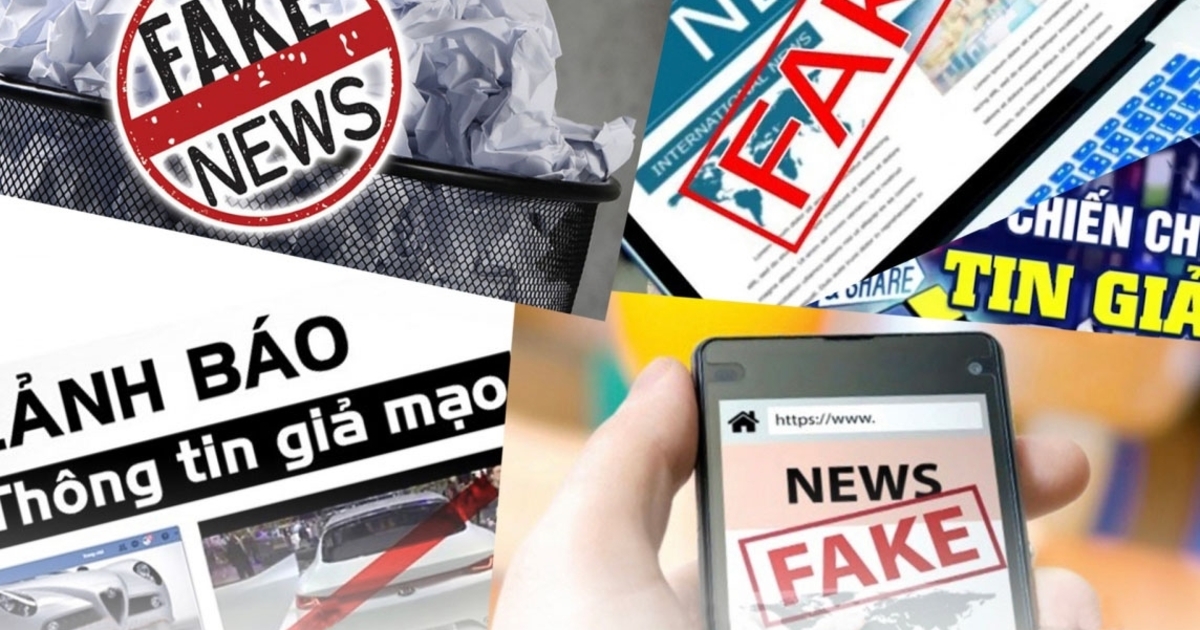
Vietnam’s security ministry has unveiled plans to establish a comprehensive national database system to combat the rising tide of misinformation and fake news in the country, marking a significant step in the government’s efforts to regulate online content.
The Ministry of Public Security (MPS) is spearheading the initiative through a draft decree that outlines measures to prevent and control legal violations related to false information. The proposal, which is currently open for public feedback, extends beyond simply targeting those who directly spread misinformation to also include individuals who aid, collude with, incite, or deceive others into committing such acts.
According to the draft, these regulations would apply in cases where misinformation infringes upon the legal rights, interests, health, life, honor, or reputation of individuals and organizations. The measures would also address content that potentially impacts national security or disrupts social order.
At the center of this initiative is Article 21 of the draft decree, which proposes the creation of a National Database Center for the Prevention and Control of Fake News and Misinformation Violations. This centralized hub would serve multiple functions, including receiving public reports and denunciations about suspected misinformation, issuing official warnings about confirmed fake news, and providing clarification regarding information of questionable authenticity.
The proposed center aims to facilitate data sharing and interconnectivity between various government bodies. The MPS would collaborate with other ministries, sectors, and People’s Committees at all levels to identify and label fake news, creating what officials describe as a “synchronized and unified national database” for misinformation management.
Under the draft provisions, the MPS would maintain primary responsibility for managing and operating the National Database Center. Other government entities would be required to coordinate with the ministry to exchange information, update records, and link their respective databases to the central system.
The initiative comes in response to what the MPS characterizes as “increasingly complex developments” in the creation and dissemination of fake news throughout Vietnam. Officials have identified a concerning trend of misinformation specifically designed to cause social disruption and erode public confidence in state institutions.
According to the ministry, such content often aims to foster skepticism among officials, party members, and the general public regarding Vietnam’s political landscape and socio-economic conditions.
The prevalence of fake news in Vietnam’s digital sphere has been amplified by the growing influence of popular social media platforms. The MPS notes that misinformation frequently leverages high-profile social media accounts to gain credibility and reach wider audiences. Content creators often edit material to obscure original sources, taking advantage of technical features offered by global platforms including Facebook, YouTube, X (formerly Twitter), Snapchat, and TikTok.
The draft decree represents Vietnam’s most structured approach to date in addressing the challenges posed by digital misinformation. While supporters argue that such measures are necessary to protect social stability and prevent harm to individuals and organizations, critics may question how the government will define “fake news” and whether such regulations could potentially impact legitimate speech and press freedom.
The public consultation period provides an opportunity for various stakeholders to contribute feedback before the decree moves forward in the legislative process.
Fact Checker
Verify the accuracy of this article using The Disinformation Commission analysis and real-time sources.

8 Comments
Fake news and misinformation are serious issues, so I can understand the government’s desire to take action. However, I have concerns about the potential for overreach or abuse of such sweeping regulations. Careful oversight and strong civil liberties protections will be essential.
That’s a fair point. Broad anti-disinformation laws can sometimes be misused to suppress legitimate criticism or discussion. Robust checks and balances will be needed to prevent this.
Combating the spread of false information is a worthy goal, but this sounds like a very ambitious and complex undertaking. I wonder about the operational challenges involved in maintaining a comprehensive national database on fake news. Effective coordination across different government agencies and tech platforms will be critical.
Exactly, the logistical and technical hurdles of such a system should not be underestimated. Ensuring accurate, timely, and reliable data will be crucial if this is to be an effective tool.
As someone who follows developments in the mining and commodities space, I’m curious to see how this proposed database might impact the reporting and discussion around those industries. Misinformation can certainly affect market sentiment, so I’m interested to learn more about the scope and implementation.
From my perspective as an investor in mining and energy stocks, I’m concerned that overzealous regulation of online content could potentially have unintended consequences for the free flow of information in these sectors. Transparency and accountability are important, but I hope the government strikes the right balance.
This is an interesting proposal to combat the spread of misinformation. Establishing a centralized database to track and address fake news could be a valuable tool, but it will be important to ensure transparency and protect legitimate free speech.
Agreed, the devil will be in the details on how this system is implemented. Striking the right balance between addressing disinformation and upholding freedom of expression will be crucial.