


Listen to the article
In a historic achievement for space exploration, four Artemis II astronauts aboard NASA’s Orion capsule “Integrity” traveled around the far side of the moon on Monday, March 6, marking humanity’s return to lunar proximity after more than 50 years. Though the mission did not include a moon landing, it represented a significant milestone in NASA’s renewed lunar exploration program.
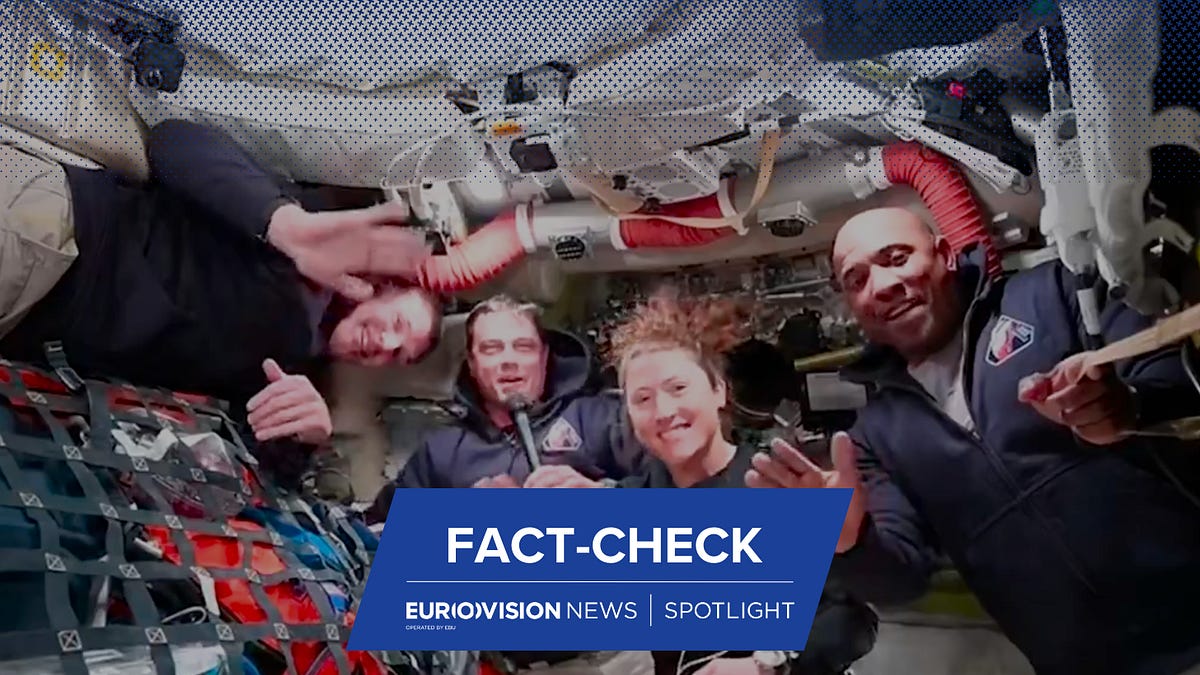
The flyby captured global attention, with audiences eagerly consuming videos and images of everything from the breathtaking views of Earth from space to mundane details like how astronauts use toilets in zero gravity. The crew, consisting of Canadian Space Agency astronaut Jeremy Hansen and NASA astronauts Christina Koch, Reid Wiseman, and Victor Glover, successfully navigated the mission that took them further from Earth than any humans have traveled in half a century.
During critical portions of the journey, the spacecraft temporarily lost communication with Earth as it passed behind the moon, creating a 40-minute blackout that mission controllers had anticipated. These planned communication gaps, combined with the historic significance of the mission, created fertile ground for misinformation to flourish online.
The moon has long been a focal point for conspiracy theories, dating back to the first lunar landing in 1969. With each new lunar mission, familiar claims resurface questioning the authenticity of NASA’s achievements. The Artemis II mission proved no exception, as social media quickly filled with fabricated content.
“The nature of space travel and breaks in connectivity meant there were times during the mission where little new visual material was available, creating the perfect breeding ground for false material to pop up,” noted one analyst monitoring online content during the mission.
The spread of what some term “AI slop” – low-quality synthetic content created to capitalize on public attention – became particularly problematic. One widely circulated video purporting to “expose” the mission as staged showed astronauts supposedly suspended by wires in front of green screens. This video, which garnered more than a million views on social platforms, was confirmed to be AI-generated through Google’s SynthID watermark detection tool.
Astrophotographer Damian Peach expressed frustration at the phenomenon, writing on social media: “Social media is fast becoming a platform where deceptional grift is allowed to run unchecked. Many of these posts have bigger engagement figures than the actual real images from the mission which is incredibly sad.”
Some of the most sophisticated misinformation employed AI splicing techniques that combined authentic NASA footage with artificially generated transitions. One particularly convincing example merged genuine video of the Artemis II astronauts waving with a still image of Earth seen through a spacecraft window, connected by an AI-generated camera pan that appeared remarkably realistic to casual viewers.
Former British MP Andrew Bridgen fueled conspiracy theories by sharing manipulated side-by-side images claiming to show identical Earth orientations and cloud patterns from both the 1968 Apollo 8 mission and the current Artemis II mission. Analysis revealed the comparison was fabricated, with the supposed Apollo image actually being an edited version of a photo from the Apollo 11 mission in 1969.
These incidents highlight a troubling evolution in space-related misinformation. Early moon landing conspiracy theories often focused on relatively simple questions about physics and photography – why the American flag appeared to wave in a vacuum, why astronauts left footprints in lunar soil, or why stars weren’t visible in photographs. While scientists have repeatedly debunked these claims with explanations about lunar mineral composition, camera exposure settings, and other technical factors, the conspiracy theories continue to circulate.
Today’s AI technologies have significantly raised the stakes in this information battle. Not only can convincing fakes be created more easily than ever before, but conspiracy theorists can now dismiss authentic NASA footage by claiming the space agency itself might be using artificial intelligence to fabricate evidence.
As NASA continues its Artemis program with the goal of returning humans to the lunar surface in coming missions, the battle against misinformation represents a significant challenge alongside the technical hurdles of space exploration. Nearly six decades after humans first set foot on the moon, our greatest space achievements continue to face scrutiny from those determined to question their authenticity.
Fact Checker
Verify the accuracy of this article using The Disinformation Commission analysis and real-time sources.

14 Comments
While the Artemis II mission is an impressive technical achievement, I hope NASA can effectively counter the spread of lunar conspiracy theories. Clear, transparent communication will be key to maintaining public trust.
Agreed. Debunking misinformation should be a priority for NASA as they build momentum for the Artemis program. Engaging the public and media will be critical.
Exciting to see humanity return to the moon after so long! The Artemis II mission is a critical step towards NASA’s ambitious lunar plans. I’m curious to learn more about the AI systems used to navigate the spacecraft during the communications blackout.
Agreed, the blackout period must have been nerve-wracking for mission control. Can’t wait to hear the astronauts’ firsthand accounts of seeing Earth from the far side of the moon.
The temporary communications blackout during the Artemis II mission highlights the challenges of deep space exploration. I’m curious to learn more about the redundancies and fault-tolerance built into the spacecraft’s systems.
Good point. Operating beyond Earth’s orbit requires robust fail-safes and autonomous capabilities. I hope NASA shares technical details to advance our understanding of human spaceflight.
Conspiracy theories around the moon landings are tiresome, but it’s concerning to see them spreading about this latest mission. Robust communication and telemetry systems are crucial for safely operating in deep space.
Absolutely. Misinformation can undermine public trust in space exploration, which is so important for securing funding and political support. Fact-based reporting and debunking of lunar hoax claims is vital.
Congratulations to the Artemis II crew on their successful lunar flyby! Seeing Earth from that distance must have been an awe-inspiring experience. I look forward to following the next steps in NASA’s plans for returning humans to the Moon.
Absolutely, the Artemis program is a major milestone in space exploration. The images and footage from this mission will no doubt inspire the next generation of astronauts and space enthusiasts.
The Artemis program is an exciting new chapter in lunar exploration. I’m curious to learn how the onboard AI systems handled the communications blackout and what lessons can be applied to future deep space missions.
Good point. The autonomous capabilities of the Orion spacecraft will be crucial as we push the boundaries of human spaceflight. I hope we get detailed technical insights into how the AI performed.
Fascinating that the Artemis II mission managed a lunar flyby without an actual landing. I wonder how this paves the way for future Artemis missions to put boots on the lunar surface.
Yes, the flyby is an important stepping stone. I’m eager to see the roadmap for the Artemis program and when we might expect the first crewed lunar landing since the Apollo era.