


Listen to the article
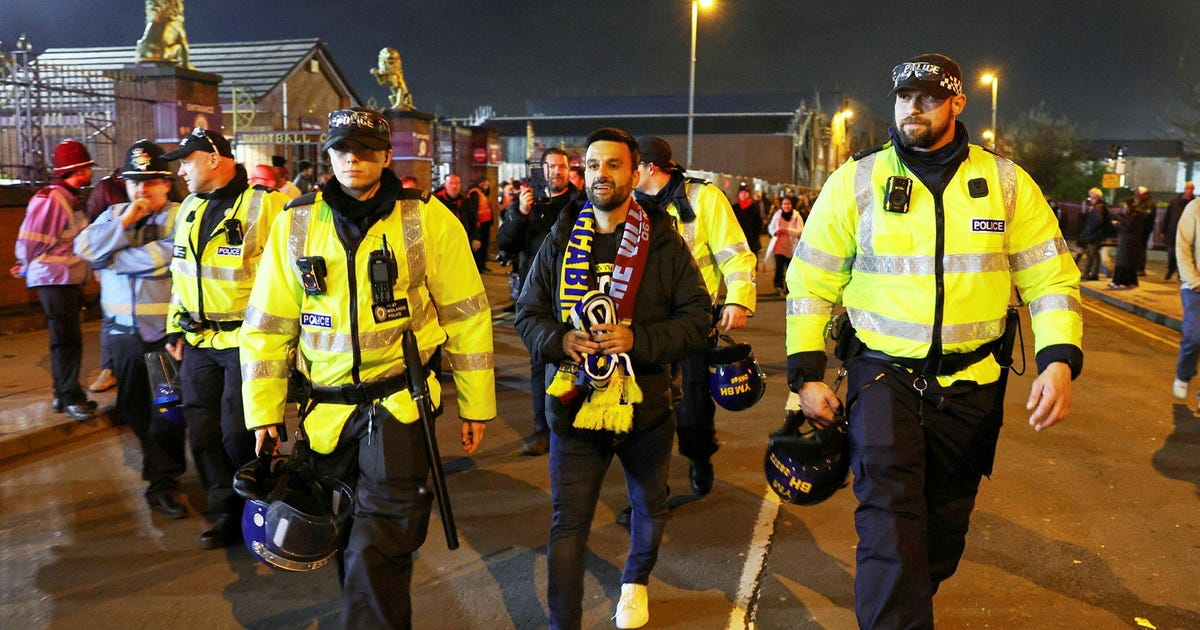
British parliamentary investigators have issued a scathing rebuke of both the UK government and West Midlands Police over their controversial decision to prevent Maccabi Tel Aviv supporters from attending a football match against Aston Villa last November in Birmingham.
The Home Affairs Committee report, published Sunday, delivers a harsh assessment of how authorities handled the situation, which sparked significant debate about discrimination and public safety measures in British sports venues.
The incident occurred amid heightened tensions following the October 7 Hamas attacks in Israel and subsequent military operations in Gaza. According to sources familiar with the decision, West Midlands Police cited security concerns and potential public disorder as justification for the unprecedented ban on away supporters.
Committee members found this rationale insufficient and potentially discriminatory. The report specifically criticizes the blanket approach taken against Israeli football fans, noting that such restrictions have rarely been imposed on other international supporters, even during periods of heightened security concerns.
“The decision to effectively bar an entire group based on their national identity raises serious questions about proportionality and fairness in policing,” said one committee member who spoke on condition of anonymity. “While public safety must always be paramount, our investigation found little evidence that less restrictive measures were properly considered.”
The parliamentary probe gathered evidence from multiple stakeholders, including police officials, football governance bodies, community representatives, and security experts. Many witnesses expressed concern that the ban could set a troubling precedent for how sporting events involving Israeli teams might be managed in the future across the UK.
Representatives from Jewish community organizations had previously condemned the decision as discriminatory and argued it effectively allowed threats of antisemitic violence to dictate policy. The report appears to validate many of these concerns.
West Midlands Police has defended its position, maintaining that intelligence suggested a genuine threat to public safety existed. A police spokesperson previously stated: “This was an operational decision based on specific intelligence and resource considerations, not a political one.”
The committee’s findings, however, suggest there were significant procedural failures in how the threat assessment was conducted and communicated. The report criticizes the lack of transparency in the decision-making process and questions whether alternative security arrangements could have accommodated the visiting supporters.
For its part, the UK government faces criticism for failing to provide clear guidance to police forces on balancing security concerns with the right of fans to attend sporting events. The committee noted that the absence of coherent national protocols left local authorities making consequential decisions without adequate support or oversight.
The European football governing body UEFA has been monitoring the situation closely, as similar issues have arisen across Europe. The organization’s protocols generally require host teams and local authorities to accommodate away supporters, though security exceptions can be made in extraordinary circumstances.
Aston Villa FC, which proceeded with the match under the imposed conditions, has declined to comment extensively on the parliamentary report, stating only that the club “respects the findings and will review them thoroughly.”
The controversy highlights the complex challenges facing authorities as they navigate security concerns in an increasingly polarized global environment. Sports events involving Israeli teams have become flashpoints for demonstrations across Europe, placing additional pressure on local security forces.
The Home Affairs Committee has recommended a comprehensive review of protocols for international sporting events, calling for clearer guidelines that balance legitimate security concerns with the principle that discrimination based on nationality should not be tolerated.
The report concludes with a call for better coordination between government departments, police forces, and sporting authorities to ensure that future decisions are both proportionate and consistent with Britain’s commitment to equal treatment regardless of national origin.
Fact Checker
Verify the accuracy of this article using The Disinformation Commission analysis and real-time sources.

8 Comments
This is a troubling example of how flawed AI-powered decision-making can lead to discriminatory policies. The authorities need to be much more transparent and accountable in their use of technology, especially when it impacts fundamental rights and freedoms.
This incident underscores the importance of ensuring fair and equal treatment for all fans, regardless of nationality or ethnicity. The authorities need to review their policies and decision-making processes to prevent such discriminatory actions in the future.
Given the complex geopolitical context, I can understand the security concerns, but banning an entire group of fans based on unsubstantiated intelligence is a concerning overreaction. The authorities need to find a more proportionate and fair approach.
Exactly. Striking the right balance between security and civil liberties is critical, especially when it comes to something as important as sports and fan engagement. This incident seems to have missed the mark.
It’s concerning to see how AI-generated reports can be used to justify such sweeping and restrictive measures. Relying on potentially flawed or biased data to make decisions that impact people’s rights is a dangerous path.
Agreed. The report highlights the need for much stronger safeguards and oversight when it comes to the use of AI in security and public policy decisions. We can’t let technology be a cover for discrimination.
This seems like a heavy-handed and potentially discriminatory decision by the authorities. Banning all away fans based on unsubstantiated security concerns sets a worrying precedent. I hope the investigation leads to more proportionate and fair policies going forward.
Absolutely. Using security as a pretext to target a specific group of supporters is deeply concerning. The authorities need to be more transparent and accountable in these matters.