


Listen to the article
Misinformation Fuels Panic Buying in Hyderabad Amid Unfounded “Energy Lockdown” Rumors
A wave of unverified social media posts and messaging app forwards has triggered panic buying across Hyderabad as residents rush to stock up on fuel and essential supplies over the past few days. Despite no official announcements from authorities, rumors of an impending “energy lockdown” have spread rapidly through digital channels, causing unnecessary strain on retail infrastructure.
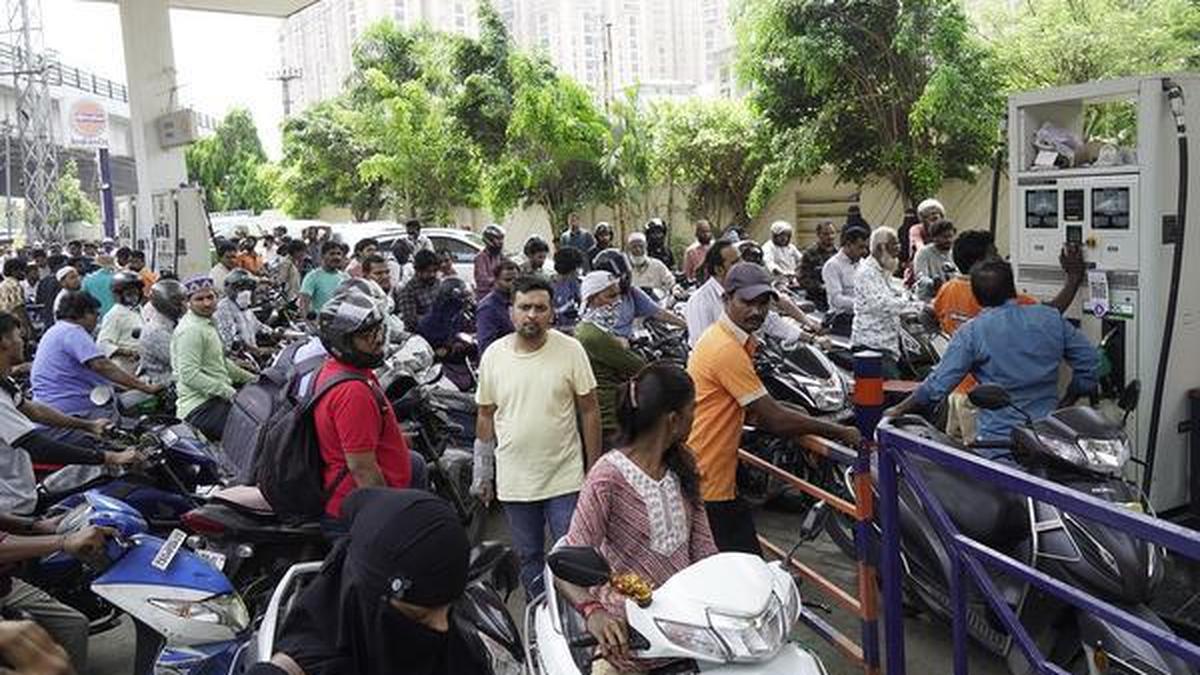
At fuel stations across the city, long queues of motorists could be seen waiting to fill their tanks, with one particularly congested site in Shaikpet witnessing bumper-to-bumper traffic extending onto main roads on March 25. Similar scenes have unfolded at grocery stores and supermarkets as residents respond to unfounded claims of imminent supply disruptions.
“I received at least five different forwards on my family WhatsApp groups claiming that we need to prepare for a three-week lockdown,” said Priya Sharma, a software engineer from Gachibowli. “The messages mentioned international tensions affecting oil supplies and warned that the government would announce restrictions by the weekend. Even though I was skeptical, I still found myself buying extra groceries.”
The misinformation campaign appears to be multifaceted, with content strategically tailored for different social media platforms. Instagram has seen a proliferation of attention-grabbing reels warning viewers about an “energy lockdown” and listing essential items to stockpile. Meanwhile, more elaborate conspiracy theories circulate on WhatsApp, where forwards analyze purported global tensions and predict work-from-home mandates and travel restrictions.
Local authorities have issued statements attempting to counter the misinformation. “There is absolutely no plan or discussion regarding any form of lockdown or restrictions on movement,” said Municipal Commissioner Anand Kumar in a press briefing yesterday. “We urge citizens not to believe or share unverified information and to rely only on official government channels for updates.”
Energy sector experts point out that while global energy markets have experienced some volatility in recent months, there is no immediate threat to India’s fuel supply chains. “What we’re seeing is a classic example of how misinformation can create artificial scarcity,” explained Dr. Ramesh Verma, an energy policy analyst at the Indian Institute of Petroleum Studies. “The panic buying itself becomes the problem, not any actual supply shortage.”
This incident highlights the growing challenge of misinformation in an increasingly connected society. Behavioral economists note that crisis-related misinformation often exploits existing anxieties. The COVID-19 pandemic, which saw legitimate lockdowns and supply disruptions, has created a psychological template that makes similar scenarios seem plausible to many citizens.
“People are primed to respond to these threats because they’ve experienced real disruptions in the recent past,” said social psychologist Dr. Lakshmi Rao. “When information comes through trusted personal networks like family WhatsApp groups, recipients are more likely to act on it, even if they harbor some doubts.”
Digital literacy advocates are calling for more robust fact-checking mechanisms and greater public awareness about verifying information before sharing it. “This incident demonstrates how quickly misinformation can translate into real-world consequences,” said Vikram Desai of the Digital Citizens Initiative. “Even when no actual supply crisis exists, panic buying can create shortages and strain essential services.”
As Hyderabad navigates this wave of unfounded rumors, authorities are monitoring the situation closely. Police cybercrime units have begun investigating the sources of the most widely shared misinformation to determine whether there are coordinated efforts to deliberately cause public panic.
For now, officials continue to emphasize that normal operations continue across all sectors, and there is no need for panic buying or hoarding of essential supplies.
Fact Checker
Verify the accuracy of this article using The Disinformation Commission analysis and real-time sources.

14 Comments
Panic buying over unsubstantiated rumors is deeply concerning. I hope the authorities can quickly identify the source of these false claims and take appropriate action to restore calm and maintain essential services.
It’s disheartening to see how quickly unverified rumors can spiral out of control and impact essential services. The authorities need to be proactive in combating misinformation and restoring public confidence.
Agreed. Clear, transparent communication from officials is key to preventing these kinds of panicked reactions. Spreading awareness of reliable information sources is crucial.
This is a clear example of the damaging impact misinformation can have, even when the claims are unfounded. I hope the authorities are able to quickly address the situation and restore public confidence through transparent communication.
This situation highlights the challenges of controlling the spread of misinformation, especially on digital platforms. I hope the authorities can work to educate the public and maintain stability during this disruptive time.
Definitely a complex issue. Strengthening media literacy and fact-checking measures could help, but it’s an ongoing battle against the rapid spread of unverified claims online.
This panic buying over unverified claims is really concerning. It’s important to rely on official sources and avoid spreading misinformation, which can create unnecessary disruption. I hope the authorities are able to address the situation calmly and restore order.
Absolutely, misinformation can have serious real-world consequences. Fact-checking and critical thinking are so important, especially during times of uncertainty.
This is a concerning example of the real-world impacts misinformation can have. I hope the authorities are able to effectively counter the spread of these unfounded rumors and prevent further disruption to the community.
While I understand the instinct to stock up during times of uncertainty, basing such actions on unverified claims is unwise and can create unnecessary strain. I hope the public can be guided to rely on official information sources.
Agreed. Panic buying often leads to its own problems, like supply chain issues and shortages. Maintaining calm and following official guidance is crucial.
This is a concerning situation that highlights the power of misinformation to cause real disruption. I hope the authorities can quickly identify the source of these false claims and take steps to educate the public and restore stability.
It’s troubling to see how quickly unverified social media posts can lead to widespread panic and disruption of essential services. I hope the authorities are able to effectively counter these false narratives and maintain public order.
Absolutely. Combating the rapid spread of misinformation is an ongoing challenge, but it’s crucial for maintaining stability and preventing unnecessary hardship.