


Listen to the article
Vaccine Programs Face Growing Challenges from Misinformation and Funding Concerns
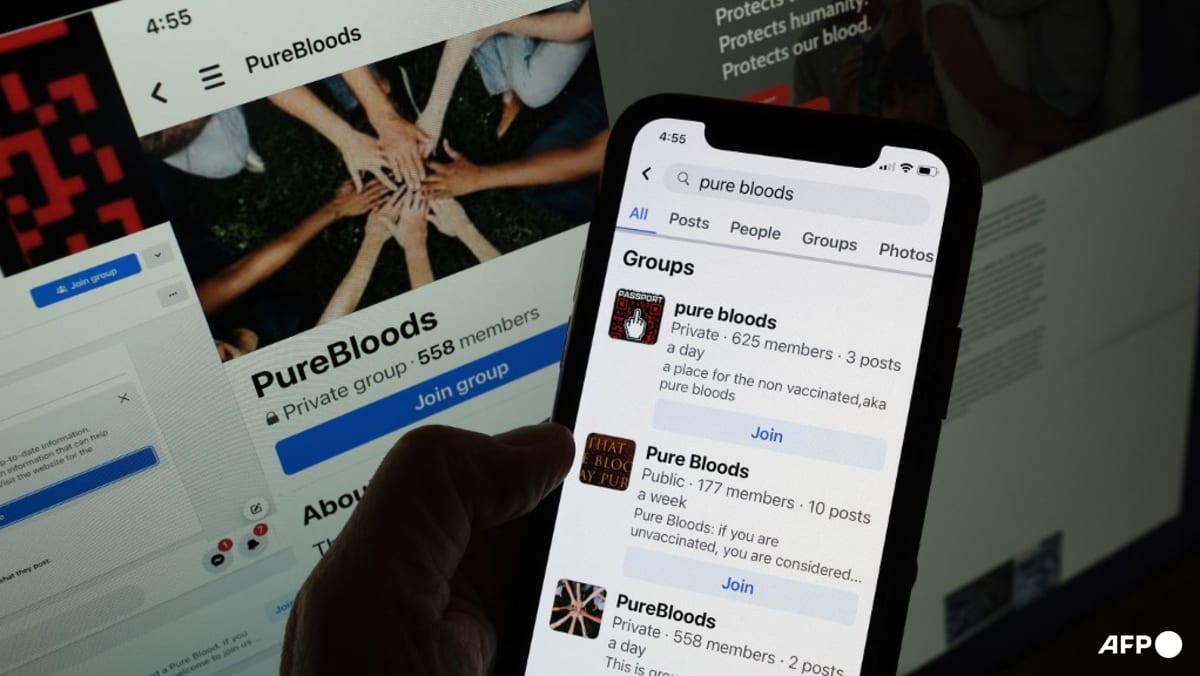
Vaccine programs worldwide are increasingly threatened by the dual challenges of rising misinformation and uncertain research funding pipelines, according to immunization experts at the World Health Organization.
The WHO’s Strategic Advisory Group of Experts on Immunisation (SAGE) highlighted these concerns following their biannual meeting last week, where they addressed COVID-19 vaccination recommendations, typhoid vaccine dosing schedules, and oral polio vaccine protocols.
“Emerging challenges for the future include uncertain funding for vaccine research and development, and misinformation and distorted information that erodes public trust in vaccines,” the expert group stated. They emphasized that “protecting trust and countering misinformation will be a central focus in 2026.”
Dr. Kate O’Brien, WHO’s vaccines chief, described the current landscape as “a really deeply changing world for infectious diseases and for vaccine programmes,” citing ongoing conflicts, economic difficulties, and reduced health budgets as contributing factors. She noted that this year’s resources would be primarily directed toward safeguarding core immunization programs.
The erosion of public trust presents a particularly significant challenge. In the United States, Robert F. Kennedy Jr., recently appointed as health chief, has long promoted anti-vaccine rhetoric, including repeatedly making inaccurate claims connecting vaccines to autism.
In response to such misinformation, Dr. O’Brien firmly stated, “Vaccines do not cause autism and they never have caused autism.” She referenced a WHO review of all available evidence issued in December that reaffirmed the absence of any link between vaccines and autism, contrary to theories circulating in the United States and elsewhere.
The impact of vaccines remains profound, with WHO data showing they have saved 154 million lives over the past five decades. Currently, more than 30 diseases can be prevented through immunization. “The risk is about backsliding, or even countries deciding that they can’t afford all of the vaccines that are in their programme,” O’Brien warned.
Polio eradication efforts face particular challenges. SAGE expressed concern about ongoing transmission of wild poliovirus in Pakistan and Afghanistan, as well as persistent detection of vaccine-derived type-2 poliovirus in several African countries—a strain related to the weakened live poliovirus contained in oral polio vaccines.
SAGE chair Anthony Scott cautioned that the conflict in the Middle East could lead to further dissemination of polioviruses. “This would then add to the burden to be mopped up in order to reach that eradication goal,” he explained during a press briefing.
Dr. O’Brien questioned global priorities, noting, “There are billions and billions of dollars being spent, day in and day out to destroy lives through wars. Does the world have its priorities straight about what we’re investing in?”
Regarding COVID-19 vaccination, SAGE recommended that countries consider routine vaccination twice a year for high-risk groups, citing evidence that protection diminishes after six months. O’Brien observed that the COVID-19 vaccine market has contracted significantly, with mRNA vaccines remaining dominant among a limited number of manufacturers and vaccine types.
She called for increased investment in next-generation vaccines, particularly pan-coronavirus vaccines that could address more than just COVID-19, as well as longer-lasting formulations to reduce the burden of repeat vaccinations on both health services and vulnerable populations.
However, the typical pattern of research and development funding following major outbreaks means “we are always in this cycle of crisis and response,” according to O’Brien.
SAGE executive secretary Annelies Wilder-Smith added that improved COVID-19 vaccines are urgently needed—specifically ones that have greater impact on mild disease and can better reduce transmission of the virus.
Fact Checker
Verify the accuracy of this article using The Disinformation Commission analysis and real-time sources.

12 Comments
The WHO’s warning underscores the complex, multifaceted challenges facing global vaccination efforts. Maintaining public trust, securing funding, and navigating conflicts and economic difficulties will require a comprehensive, collaborative approach.
Absolutely. Sustained, evidence-based efforts from international health organizations, governments, and local communities will be essential to overcome these obstacles and safeguard the future of immunization programs.
The WHO’s warning highlights the complex, multifaceted challenges facing immunization efforts worldwide. Tackling misinformation, maintaining budgets, and navigating conflicts and economic difficulties will require a coordinated, global response.
Agreed. Collaborative, evidence-based strategies from international health organizations, governments, and local communities will be crucial to overcome these obstacles.
Protecting public trust in vaccines is paramount. Proactive efforts to counter misinformation and reinforce the proven benefits of immunization will be key to maintaining confidence and uptake.
Absolutely. Clear, transparent communication from credible health authorities is vital to dispel myths and misconceptions about vaccines.
Uncertain funding for vaccine R&D is worrying, given the critical role vaccines play in global health. Governments and stakeholders need to prioritize and protect these vital research pipelines.
Absolutely. Adequate and stable funding is essential to support the development of new and improved vaccines that can protect vulnerable populations.
Concerning to hear the WHO warn about the growing threat of vaccine misinformation. Maintaining public trust in immunizations is crucial, especially as resources face challenges. Proactive efforts to counter false narratives and reinforce the science will be key.
Agreed. Combating misinformation with clear, fact-based messaging from credible health authorities is vital to sustain confidence in vaccination programs.
Uncertain funding and misinformation seem to be a worrying trend affecting global vaccination efforts. Safeguarding research pipelines and restoring public trust will be critical to ensuring equitable access to life-saving immunizations.
Agreed. Addressing these challenges head-on through coordinated, evidence-based strategies will be crucial to protect the progress made in immunization programs worldwide.