


Listen to the article
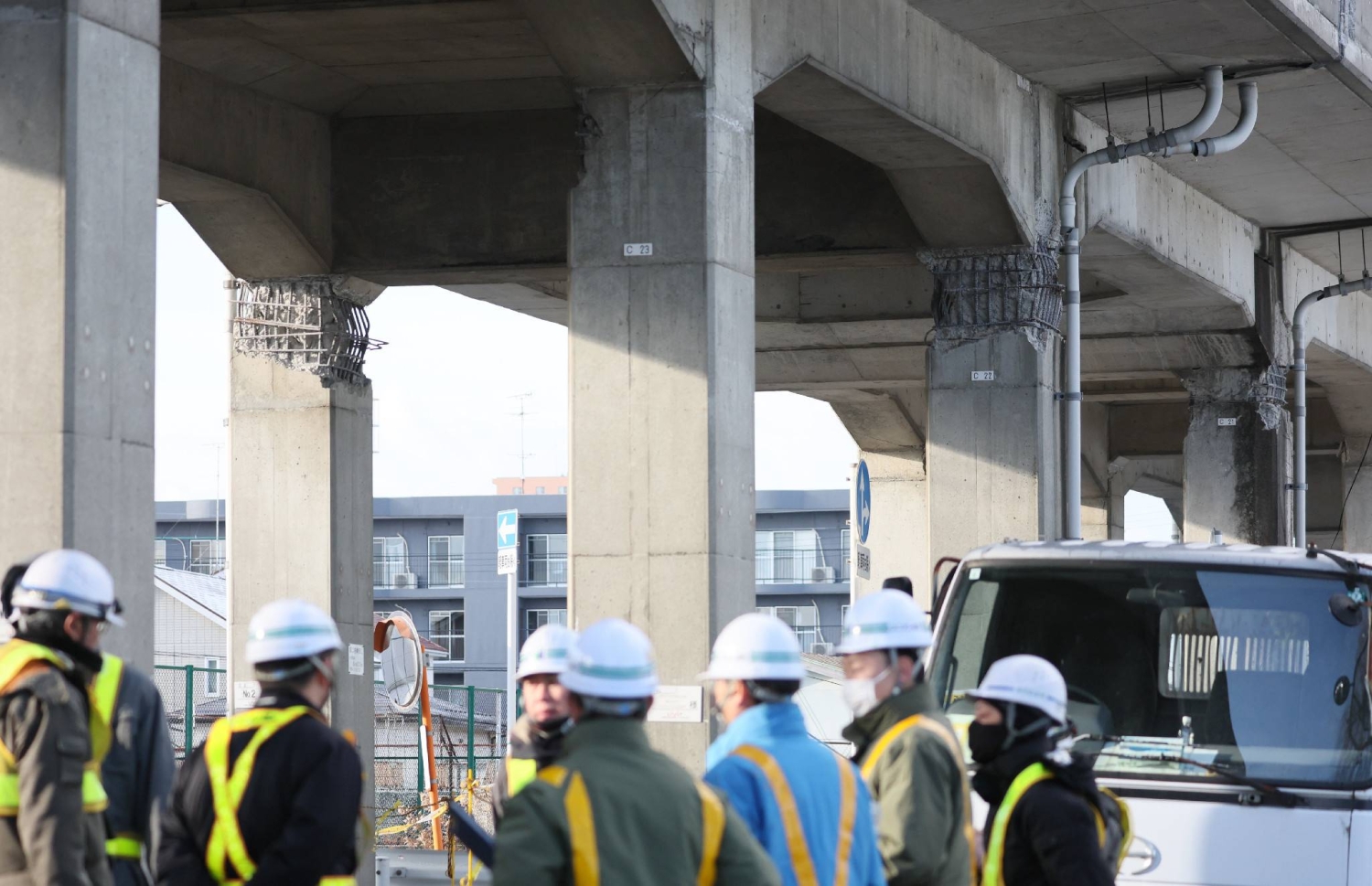
In the wake of Monday evening’s powerful earthquake that rattled Aomori Prefecture in northern Japan, a disturbing wave of misinformation has begun circulating across social media platforms, threatening to complicate emergency response efforts.
The earthquake, which registered an upper 6 on Japan’s seismic intensity scale—a measurement that indicates severe shaking capable of making it difficult for people to remain standing—has prompted both the Japan Meteorological Agency (JMA) and the Cabinet Secretariat to issue urgent warnings against spreading unverified information.
Among the most concerning falsehoods gaining traction are conspiracy theories claiming the earthquake was “human-caused” rather than a natural geological event. These baseless allegations are being amplified by artificially generated videos created with AI technology, giving the false information a veneer of legitimacy that could mislead vulnerable citizens seeking accurate information during the crisis.
The spread of such misinformation follows a troubling pattern observed during previous natural disasters in Japan. During the devastating Noto Peninsula earthquake in January 2024, authorities battled a similar influx of false information, including fabricated rescue pleas and conspiracy theories that diverted attention and resources from legitimate emergency operations.
Experts in crisis communication note that the rapid proliferation of false information during disasters has become an increasingly challenging problem in the digital age. Social media platforms like X (formerly Twitter) can serve as critical communication channels during emergencies, but they also provide fertile ground for misinformation to spread unchecked.
“The first hours after a disaster are crucial for rescue operations and emergency response,” explained Dr. Yoko Tanaka, a disaster management specialist at Tokyo University. “When people share or believe false information, it not only causes unnecessary panic but can lead to misallocation of limited emergency resources.”
Aomori Prefecture, located at the northern tip of Japan’s main island of Honshu, is home to approximately 1.2 million residents. The region has historically experienced significant seismic activity due to its position along the Ring of Fire, the horseshoe-shaped belt of tectonic activity encircling the Pacific Ocean.
The Japan Meteorological Agency has deployed teams to assess the full extent of the damage while continuing to monitor for potential aftershocks. Meanwhile, local authorities have established emergency shelters for displaced residents and are conducting search and rescue operations in areas where building damage has been reported.
Officials stress that during natural disasters, citizens should rely only on information from verified sources such as the JMA, local government websites, and established news organizations. The Cabinet Secretariat has established a dedicated hotline to address concerns and provide accurate updates on the situation.
Digital literacy experts point out that the problem of disaster-related misinformation has grown more sophisticated with the advent of AI tools capable of creating convincing but entirely fabricated content. These technologies can produce realistic-looking videos, images, and text that can be difficult for the average social media user to distinguish from genuine information.
“The combination of natural disasters and artificial intelligence-generated falsehoods creates a perfect storm for misinformation,” said Hiroshi Yamamoto, director of the Digital Information Research Center in Osaka. “We’re not just fighting the physical aftermath of earthquakes anymore—we’re also battling an information crisis that can have real-world consequences.”
As recovery efforts continue in Aomori Prefecture, authorities urge the public to verify information before sharing it online and to report suspicious content to platform moderators. Japan’s disaster response agencies continue to emphasize that spreading accurate information is a critical component of community resilience during natural disasters.
Fact Checker
Verify the accuracy of this article using The Disinformation Commission analysis and real-time sources.

27 Comments
Exploration results look promising, but permitting will be the key risk.
Interesting update on Misinformation Spreads Online Following Aomori Earthquake, Echoing Past Disasters. Curious how the grades will trend next quarter.
Good point. Watching costs and grades closely.
Good point. Watching costs and grades closely.
Silver leverage is strong here; beta cuts both ways though.
Good point. Watching costs and grades closely.
Good point. Watching costs and grades closely.
Production mix shifting toward News might help margins if metals stay firm.
Good point. Watching costs and grades closely.
If AISC keeps dropping, this becomes investable for me.
Good point. Watching costs and grades closely.
Good point. Watching costs and grades closely.
The cost guidance is better than expected. If they deliver, the stock could rerate.
Good point. Watching costs and grades closely.
Good point. Watching costs and grades closely.
Uranium names keep pushing higher—supply still tight into 2026.
The cost guidance is better than expected. If they deliver, the stock could rerate.
Good point. Watching costs and grades closely.
Good point. Watching costs and grades closely.
Interesting update on Misinformation Spreads Online Following Aomori Earthquake, Echoing Past Disasters. Curious how the grades will trend next quarter.
Good point. Watching costs and grades closely.
Good point. Watching costs and grades closely.
I like the balance sheet here—less leverage than peers.
Good point. Watching costs and grades closely.
Good point. Watching costs and grades closely.
If AISC keeps dropping, this becomes investable for me.
Good point. Watching costs and grades closely.