


Listen to the article
False Reports of Quentin Tarantino’s Death in Iranian Attack Debunked
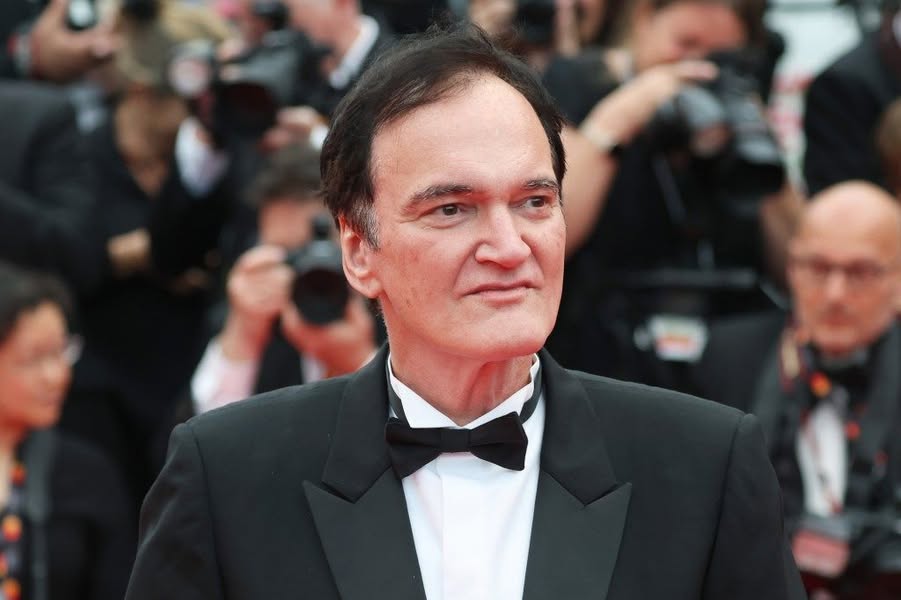
Social media platforms were flooded with misinformation on Tuesday as false reports claimed acclaimed film director Quentin Tarantino had died in an Iranian missile attack on Israel. These fabricated stories gained traction despite having no basis in fact, according to multiple reliable sources.
The 61-year-old director, known for cult classics like “Pulp Fiction” and “Kill Bill,” became the subject of a death hoax that spread rapidly across Facebook, Twitter, and other social networks. The false reports appeared amid heightened tensions in the Middle East following Iran’s missile strikes against Israel earlier this month.
Adding to the confusion were AI-generated images purportedly showing Tarantino in an Israeli bomb shelter. These digitally created visuals, which experts identified as forgeries, contributed to the spread of the misinformation by providing seemingly visual “evidence” of the false narrative.
“This is a clear example of how quickly misinformation can spread during times of international conflict,” said Dr. Melissa Tanner, a digital media researcher at Columbia University. “The combination of text-based rumors with AI-generated images creates a particularly dangerous form of false information that can be difficult for the average social media user to identify.”
Tarantino’s representatives have not issued an official statement addressing the hoax, but industry insiders confirmed to multiple news outlets that the director is alive and well. The filmmaker, who announced his retirement from directing after his tenth film, has been working on various projects including writing and potentially a limited streaming series.
This incident highlights the growing challenge of combating misinformation during international crises. The Israeli-Iranian conflict has become a breeding ground for false information, with numerous unverified claims circulating on social media platforms.
Tech companies have struggled to contain the spread of such content despite implementing various fact-checking measures. A spokesperson for Meta, Facebook’s parent company, told reporters they are “actively working to identify and reduce the spread of false information related to the ongoing Middle East conflict,” though critics argue these efforts remain insufficient.
Digital literacy experts emphasize the importance of verifying information through multiple credible sources before sharing content online, particularly during volatile geopolitical events when misinformation tends to proliferate.
“People should be especially cautious about emotional or shocking news they encounter online,” said Jake Williams, cybersecurity analyst and former NSA operative. “Death hoaxes involving celebrities are common tactics used to drive engagement and sometimes spread malicious content.”
The incident also underscores the growing concern about AI-generated images and deepfakes in spreading misinformation. With the increasing sophistication of AI tools, distinguishing between authentic and fabricated visual content has become increasingly challenging for the average person.
Several fact-checking organizations have published guides to help users identify AI-generated images, pointing to telltale signs like unnatural lighting, distorted backgrounds, or anatomical inconsistencies that often appear in such content.
As tensions continue in the Middle East, media literacy advocates encourage users to rely on established news sources rather than social media for accurate information about the conflict and its global impact.
This incident joins a long history of celebrity death hoaxes that have plagued the internet for years, though the addition of AI-generated “evidence” represents a troubling evolution in how such false information is packaged and disseminated in today’s digital landscape.
Fact Checker
Verify the accuracy of this article using The Disinformation Commission analysis and real-time sources.

7 Comments
Tarantino is a renowned filmmaker, and it’s concerning that his name was used to spread misinformation about his death. I’m glad the reports were quickly debunked. We must remain vigilant against the proliferation of fake news, especially during volatile geopolitical situations.
It’s disappointing to see how easily false information can spread, even about high-profile individuals like Quentin Tarantino. I hope this incident serves as a wake-up call for social media users to be more critical consumers of online content.
Absolutely. We all have a responsibility to fact-check and avoid sharing unverified claims, no matter how compelling they may seem.
Wow, the spread of false information online is really troubling. It’s a good reminder to always verify news before sharing, especially during times of heightened tensions. Tarantino is thankfully alive and well.
This is a classic example of how misinformation can spiral out of control on social media. It’s worrying that fake images and reports like this can gain so much traction. We need better ways to combat the spread of disinformation.
Agreed. Digital forensics and fact-checking are crucial to debunking these kinds of hoaxes before they cause further damage.
This is a timely reminder of the dangers of misinformation. While it’s good that the Tarantino death hoax was quickly debunked, it highlights the need for stronger measures to combat the spread of false narratives, especially during times of crisis.