


Listen to the article
In a digital battlefield unfolding alongside the physical conflict in the Middle East, cybersecurity experts warn that misinformation and potential cyber attacks pose significant threats to global stability and critical infrastructure.
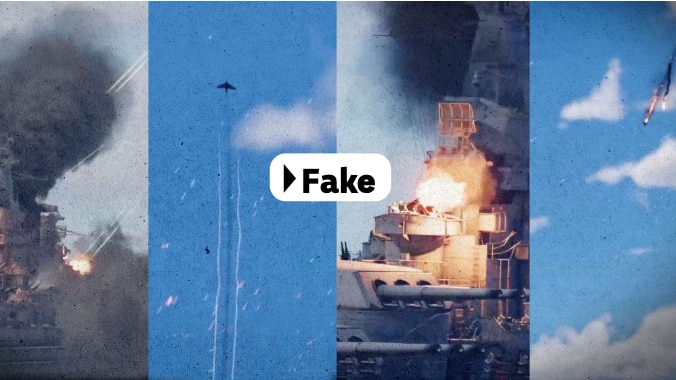
As tensions escalate, social media platforms have become flooded with misleading content about the conflict. One viral video purportedly showing “an Iranian plane versus a US ship” garnered millions of views on X (formerly Twitter), despite actually being footage from a popular video game. Even prominent political figures like Texas Governor Greg Abbott reportedly shared the clip before quickly deleting it.
“Video game footage, footage from previous conflicts, all that kind of stuff is easy to recycle and repurpose and recontextualize,” explains Dr. TJ Thomson from RMIT University. He notes that the unprecedented pace of this conflict, combined with advances in generative AI technology, has created a perfect storm for misinformation.
Thomson identifies two primary motivations behind the creation and spread of such content: political influence and financial gain. “Information matters and makes things more difficult, makes people a bit more distrusting, cynical, disengaged,” he explains. “The other goal is to try to make money from engagement and attention online.”
While all parties involved in the conflict are attempting to control the narrative, QUT expert Dr. Ehsan Dehghan singles out Iran as particularly problematic. He points to what’s believed to be a systematic “cyber army” operating on behalf of the Iranian regime.
“These are people who are hired to sit in an office-like space. Each of them controls multiple accounts on a social media platform. They follow the patterns of the day and what the regime wants them to do,” Dehghan explains.
Beyond the battle of narratives, security analysts are increasingly concerned about direct cyber attacks against critical infrastructure. The US Department of Homeland Security recently issued a warning that Iran-aligned hackers may conduct low-level cyber operations, including distributed denial-of-service (DDoS) attacks that overwhelm websites with traffic or destructive malware that can permanently delete data.
Elliot Dellys from Cythera Cyber Security notes the relatively low barrier to entry for cyber warfare compared to traditional military operations. “Cyber weapons are comparatively fairly easy to develop and deploy,” he warns. “The sorts of things that we may see targeted is entities like critical infrastructure providers and also key government institutions.”
The threat is not merely theoretical. Iran has a documented history of sophisticated cyber operations, having orchestrated a major attack in 2012-2013 that disrupted numerous American banking websites. Experts are now concerned Iran might draw inspiration from Russia’s digital playbook against Ukraine.
“In 2017, the Russian government was attributed with an attack known as NotPetya against Ukrainian critical infrastructure providers,” Dellys explains. “That was used to attack the Ukrainian power grid, bus stations, gas stations, airports and banks. And that’s the sort of activity that we might see as a result of a conflict like this.”
The emergence of cyber warfare represents a significant evolution in modern conflict, allowing nations to project power and inflict damage without deploying conventional military assets. This digital dimension creates asymmetric opportunities for countries with advanced cyber capabilities to target adversaries’ vulnerabilities.
While Iran’s conventional military response to regional developments has been visible and widely reported, security analysts note that any coordinated cyber campaigns—whether from Iran itself or its allies—have yet to be definitively confirmed. However, the potential for such operations remains a serious concern for security agencies worldwide.
As the conflict continues, experts urge increased vigilance not only against physical threats but also against the more insidious dangers lurking in the digital realm, where the battlelines are less clear but the potential consequences no less severe.
Fact Checker
Verify the accuracy of this article using The Disinformation Commission analysis and real-time sources.

9 Comments
Cybersecurity experts are right to be concerned. Misinformation combined with potential cyber attacks could have devastating consequences for critical infrastructure and global stability. Vigilance is key.
Repurposing video game footage to spread misinformation is a new low. I’m glad the experts are calling this out – it’s important for the public to be aware of these deceptive tactics.
Agreed. Using fictional content to mislead the public is a clear abuse of technology. We need robust media literacy education to help people spot these manipulations.
I’m not surprised to see political figures amplifying misleading content. They often prioritize scoring points over responsible information sharing. We should hold them accountable.
It’s disappointing but not shocking that some would try to profit off this conflict through misinformation. Spreading lies for financial gain is a deplorable tactic.
Absolutely. Prioritizing profits over the truth is unethical and harmful, especially in times of crisis. We must demand more accountability from those spreading misinformation.
The Middle East conflict is already complex enough without the added complication of misinformation. I hope the authorities can work quickly to identify and shut down the sources of these false narratives.
The role of AI in generating convincing misinformation is worrying. As the technology advances, it’s going to get harder to spot fabricated content. We need robust fact-checking systems.
This is really concerning. Misinformation can be so damaging, especially in times of conflict. We need to be extra vigilant about verifying sources and facts these days.