


Listen to the article
Misinformation Impedes Life-Saving Lung Cancer Screening, Experts Warn
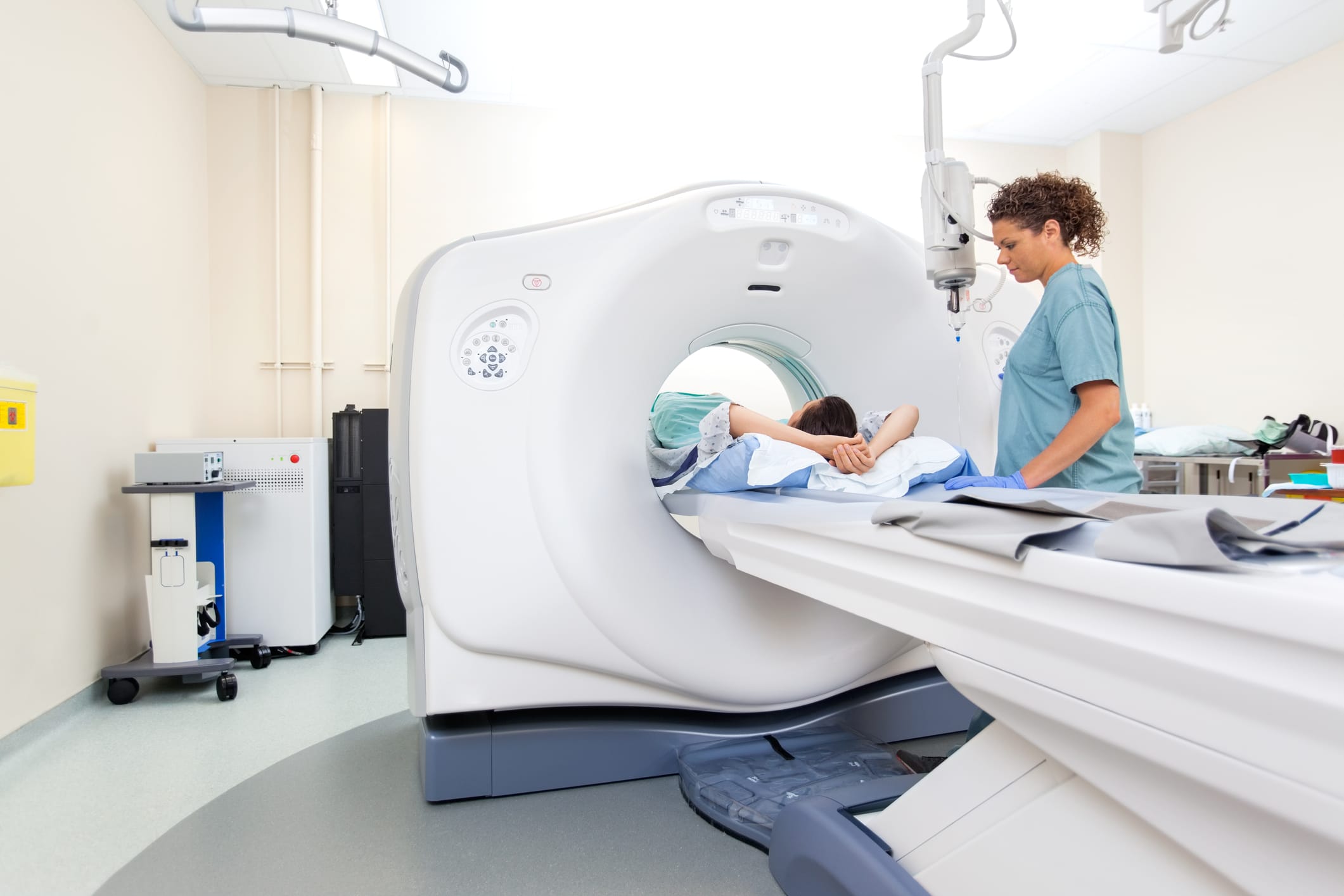
Widespread misconceptions about the risks of lung cancer screening are preventing patients and healthcare providers from utilizing a proven life-saving tool, according to research published in The Annals of Thoracic Surgery. Despite strong evidence supporting its effectiveness, less than 20 percent of eligible high-risk individuals undergo screening.
The joint statement from the Society of Thoracic Surgeons, the American Society for Radiation Oncology, and the American College of Radiology highlights how persistent misreporting in medical literature has distorted perceptions of lung cancer screening safety, fueling unnecessary fears and limiting access to critical preventive care.
“When implemented correctly, lung cancer screening reduces lung cancer-specific mortality and improves overall survival,” the report states. “Yet misinformation continues to create barriers to this important public health intervention.”
The authors identified three major methodological errors that have contributed to exaggerated concerns about CT lung cancer screening. First, numerous studies have overstated the frequency and severity of complications following screening procedures, creating an inaccurate impression of risk.
Perhaps most significantly, researchers found widespread confusion between false positive rates and false discovery rates in scientific literature. In the National Lung Screening Trial, the per-screen false positive rate was 26.6% at baseline and decreased in subsequent screening rounds. However, more than 40 publications incorrectly cited this figure as 96.4%—which actually represents the false discovery rate.
“This misrepresentation creates the impression that nearly all screened individuals undergo unnecessary testing,” the authors note. When appropriate Lung-RADS criteria are applied to screening protocols, the baseline positive screen rate drops significantly from 27.6% to just 10.6%.
The statement also challenges inflated estimates regarding cancer risk from CT radiation. A recent modeling study projected 103,000 new cancers resulting from 93 million CT scans in 2023—a 255% increase compared to 2007 estimates. The authors argue these projections rely on inappropriate extrapolation from atomic bomb survivor data and assumptions that substantially overestimate long-term risk.
Dr. Debra Dyer, chair of the American College of Radiology Lung Cancer Screening Committee, who was not involved in the statement, commented: “These misconceptions have real consequences. When physicians or patients overestimate the risks of screening, they may forgo a procedure that could detect cancer at its earliest, most treatable stage.”
Lung cancer remains the leading cause of cancer death in the United States, claiming more lives annually than breast, prostate, and colorectal cancers combined. Low-dose CT screening is particularly recommended for long-term smokers and others at elevated risk, as early detection dramatically improves survival rates.
The U.S. Preventive Services Task Force recommends annual screening for adults aged 50 to 80 who have a 20 pack-year smoking history and currently smoke or have quit within the past 15 years. Despite these guidelines and insurance coverage for eligible patients, screening uptake remains disappointingly low.
The consequences of avoiding screening can be severe. When lung cancer is detected at advanced stages, five-year survival rates drop to less than 20 percent, compared to over 60 percent when caught early.
“Overstating harms risks undermining public trust and discouraging appropriate screening referrals,” the authors conclude. They urge clinicians, researchers, and medical journals to apply rigorous methodological standards and present screening risks within proper clinical context.
With accurate information and appropriate implementation, lung cancer screening has the potential to save thousands of lives annually. Ensuring that both healthcare providers and patients understand the true risk-benefit profile of screening is essential to increasing uptake among those who stand to benefit most.
Fact Checker
Verify the accuracy of this article using The Disinformation Commission analysis and real-time sources.

23 Comments
Uranium names keep pushing higher—supply still tight into 2026.
Silver leverage is strong here; beta cuts both ways though.
Good point. Watching costs and grades closely.
Uranium names keep pushing higher—supply still tight into 2026.
Good point. Watching costs and grades closely.
Good point. Watching costs and grades closely.
If AISC keeps dropping, this becomes investable for me.
Nice to see insider buying—usually a good signal in this space.
Good point. Watching costs and grades closely.
Silver leverage is strong here; beta cuts both ways though.
Good point. Watching costs and grades closely.
Good point. Watching costs and grades closely.
Production mix shifting toward News might help margins if metals stay firm.
Good point. Watching costs and grades closely.
Exploration results look promising, but permitting will be the key risk.
Good point. Watching costs and grades closely.
Nice to see insider buying—usually a good signal in this space.
I like the balance sheet here—less leverage than peers.
Good point. Watching costs and grades closely.
Good point. Watching costs and grades closely.
Exploration results look promising, but permitting will be the key risk.
Good point. Watching costs and grades closely.
Good point. Watching costs and grades closely.