


Listen to the article
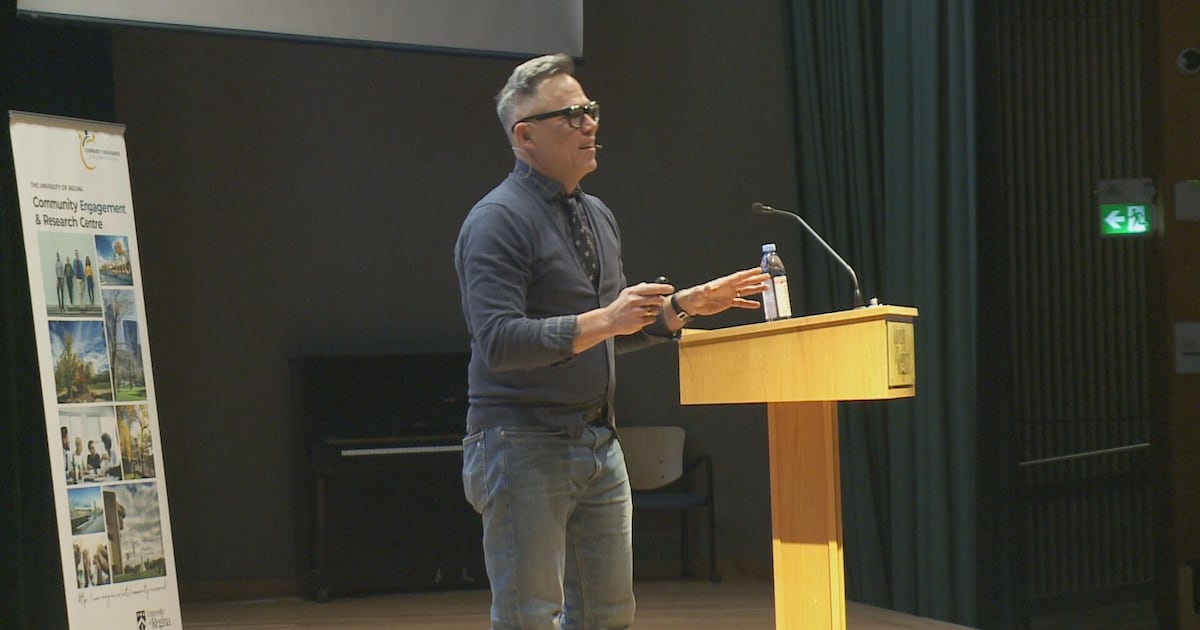
A rising tide of misinformation is threatening democratic institutions and fostering societal division, according to experts who gathered at the University of Regina this week for a lecture focused on the growing information crisis.
The event, part of the university’s ongoing public engagement series, brought together media scholars, journalists, and policy analysts to discuss how false information spreads and what can be done to combat it in an increasingly fragmented media landscape.
“What we’re witnessing isn’t just occasional fake news—it’s a systematic erosion of shared reality,” said Dr. Marion Fletcher, a media studies professor who organized the lecture. “When people can no longer agree on basic facts, the foundation of democratic discourse crumbles.”
Speakers highlighted how the problem has intensified with the rise of social media platforms, where engagement algorithms often prioritize emotionally charged content regardless of its accuracy. This technological shift has created what panelists described as “information bubbles” where citizens are rarely exposed to viewpoints that challenge their existing beliefs.
Saskatchewan has not been immune to these trends. Local journalists at the event noted increasing instances of coordinated misinformation campaigns targeting regional issues, from healthcare policies to environmental regulations.
“We’re seeing communities polarized over issues that previously would have been addressed through reasonable debate,” said Thomas Henning, editor of a Saskatchewan-based news outlet. “When facts themselves become partisan, finding solutions to complex problems becomes nearly impossible.”
The economic pressure on traditional news media has compounded the problem. As local newsrooms shrink or close entirely, information vacuums emerge that are often filled by unverified sources. Rural communities are particularly vulnerable to this phenomenon, with many Saskatchewan towns now lacking dedicated journalists to cover local government activities.
“When nobody’s watching city council meetings or covering school board decisions, accountability suffers,” explained media analyst Rebecca Chiu. “These gaps become perfect breeding grounds for rumors and misinformation to flourish unchecked.”
The lecture also examined the international dimensions of the crisis, noting how foreign influence operations have targeted Canadian information ecosystems. Intelligence agencies have documented attempts by various state actors to amplify divisive content and undermine trust in Canadian institutions.
Education emerged as a critical component of any comprehensive solution. Panelists advocated for expanded media literacy programs in Saskatchewan schools and community centers. The University of Regina itself has launched an initiative to develop curriculum materials that help students evaluate information sources critically.
“Young people need to understand how their information environment is shaped and manipulated,” said education specialist Dr. James Whitman. “These aren’t just academic skills—they’re essential for citizenship in the digital age.”
Digital platforms also face increasing pressure to address the problem. Recent regulatory proposals in Canada would require major social media companies to implement more robust fact-checking protocols and provide greater transparency about how content is promoted on their platforms.
Industry representatives at the event acknowledged the challenges but cautioned against solutions that might restrict free expression. “We need approaches that reduce harmful misinformation without creating mechanisms that could be misused to suppress legitimate discourse,” argued technology policy expert Sandra Martinez.
The lecture concluded with a call for collaborative action across sectors. Proposed strategies included supporting independent journalism through new funding models, creating community information hubs in underserved areas, and fostering cross-partisan dialogue to rebuild shared understandings of reality.
“This isn’t just a media problem—it’s a societal challenge that requires everyone’s engagement,” Dr. Fletcher emphasized. “From educators to policymakers to everyday citizens, we all have a role in creating a healthier information environment.”
Attendees left with a resource guide detailing practical steps for evaluating information sources and promoting factual discourse in their communities. The university plans to make recordings of the lecture available online as part of its ongoing public education efforts around media literacy and democratic resilience.
Fact Checker
Verify the accuracy of this article using The Disinformation Commission analysis and real-time sources.

10 Comments
The University of Regina lecture on misinformation is a timely and important discussion. As a geologist, I’m particularly interested in how false narratives may impact public perception and policy around critical minerals, energy transition, and other resource development issues. Fact-based, nuanced dialogue is essential.
Agreed. Maintaining public trust in science and evidence-based policymaking is vital, especially for industries like mining that are essential for the energy transition. This lecture series could offer valuable insights on how to counter misinformation in these domains.
The erosion of shared reality described in the article is deeply concerning. As an investor in mining and energy stocks, I’m worried about how misinformation could distort market perceptions and decision-making. Clear, reliable information is essential for efficient capital allocation.
I share your concern. Misinformation undermines informed decision-making, which is crucial for well-functioning markets. Addressing this challenge will require a coordinated effort across media, technology, and policy realms.
This is an important issue that deserves careful examination. Misinformation can have profound societal impacts, so I’m glad to see experts gathering to discuss solutions. A fact-based, balanced approach is crucial when navigating complex information landscapes.
I agree, the spread of misinformation is a serious challenge that threatens democratic institutions. Addressing this will require a multi-faceted strategy involving media literacy, platform accountability, and a renewed commitment to objective reporting.
This is an issue with profound implications for mining and natural resource sectors, where misinformation can sway public opinion and policy decisions. I’m curious to hear the experts’ perspectives on addressing misinformation challenges in these industries.
Good point. Misinformation can have real-world impacts on extractive industries and related equities. Proactive stakeholder engagement and transparent, fact-based communication will be vital for these sectors to navigate this landscape.
The lecture on misinformation at the University of Regina is a timely and necessary discussion. Understanding how false narratives proliferate, especially on social media, is key to stemming the tide and restoring public trust in institutions.
Absolutely. Bridging the divides created by misinformation bubbles will be crucial. Fostering open, evidence-based dialogue is the best path forward.