


Listen to the article
In a week marked by political tensions and viral misinformation, fact-checkers have debunked several misleading claims circulating across social media platforms in India. These fabrications range from doctored videos of political figures to communal propaganda surrounding recent elections.
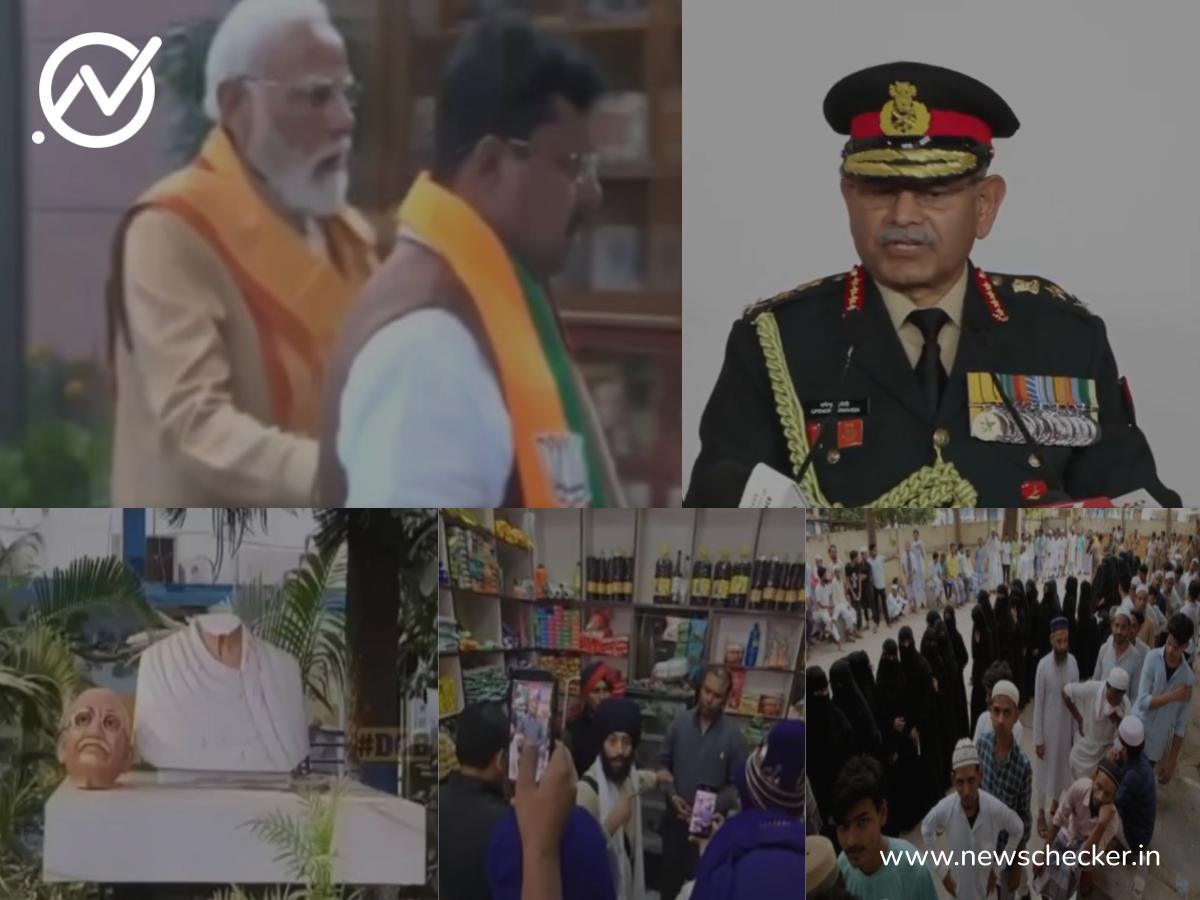
The Brihanmumbai Municipal Corporation (BMC) elections held on January 15, 2026, which saw a decisive victory for the BJP-led Mahayuti alliance, have become a particular focal point for misinformation campaigns. One viral image showing Muslim voters standing in a queue was falsely linked to the BMC elections with communal overtones suggesting “vote jihad.” Fact-checkers determined the photograph actually depicts Muslim voters in Varanasi during the 2024 Lok Sabha elections, revealing a deliberate attempt to stoke religious tensions in the aftermath of the municipal results.
In another incident, a manipulated video clip suggested that Prime Minister Narendra Modi had pushed aside newly elected BJP President Nitin Nabin during a public appearance. The selectively edited footage gained significant traction on opposition social media accounts but was quickly identified as misleading by fact-checkers who reviewed the complete video, which showed no such confrontation between the two political leaders.
Regional tensions were exploited when an image of a decapitated statue of Mahatma Gandhi circulated with claims it had occurred in Bangladesh, potentially inflaming cross-border relations. Investigators revealed the vandalism actually took place in Chakulia, North Dinajpur district of West Bengal, contradicting the international narrative attached to the incident.
Religious sensitivities were targeted when a video allegedly showing Nihang Sikhs assaulting a Muslim man accused of “polluting” holy water at the Golden Temple by performing wazu (Islamic ablution) spread online. The fact-check determined the video was entirely unrelated to any such incident at the Sikh holy site, demonstrating how religious flashpoints can be fabricated through false context.
Perhaps most concerning for national security was a doctored video purportedly showing Army Chief General Upendra Dwivedi claiming India’s military technology lags 50 years behind Pakistan and China. The manipulated statement, which could undermine public confidence in India’s defense capabilities, was quickly identified as fraudulent.
These incidents highlight a troubling pattern of digital manipulation aimed at exacerbating existing tensions across political, religious, and national security domains. The BJP’s strong showing in recent local elections appears to have triggered a wave of both supportive and oppositional misinformation, with fact-checkers working to separate authentic news from fabrications.
Media literacy experts note that the sophisticated nature of some of these deceptions—particularly selectively edited videos of public figures—demonstrates the evolving challenges facing both fact-checkers and the public. The incidents also reveal how social media can rapidly amplify divisive content before verification processes can catch up.
The wave of misinformation comes at a politically sensitive time in Maharashtra, where coalition politics and civic governance issues remain contentious. The BMC elections in particular represent significant political stakes in India’s financial capital, making them an attractive target for information warfare.
Fact-checking organizations continue to emphasize the importance of verifying sources and reviewing complete content before sharing potentially inflammatory material online, especially when it involves communal or political claims during election periods.
Fact Checker
Verify the accuracy of this article using The Disinformation Commission analysis and real-time sources.

13 Comments
These incidents highlight the urgent need for robust fact-checking mechanisms and media literacy initiatives. Only by empowering the public to critically evaluate information can we truly combat the spread of misinformation.
Absolutely. Fact-checking is essential, but we also need to educate the public on how to identify and resist the influence of false narratives. A well-informed citizenry is the best defense against the erosion of truth.
Misinformation can be so damaging, especially when it involves sensitive issues like elections and communal tensions. I hope the fact-checkers’ efforts help counter these false narratives and restore trust in the democratic process.
Interesting to see the spread of misinformation around the BMC elections. It’s concerning how easily doctored images and videos can circulate and sow division. Fact-checking is so important to cut through the noise.
Agreed, the deliberate attempts to stoke religious tensions are deeply troubling. Proper verification and debunking of these claims is critical to maintain public trust.
The prevalence of misinformation is a complex challenge that requires a multi-pronged approach. Strengthening media literacy, promoting digital fact-checking, and holding purveyors of falsehoods accountable are all important steps.
It’s disheartening to see how easily false information can gain traction these days. Kudos to the fact-checkers for working to debunk these claims and provide the public with accurate information.
Absolutely. Fact-checking is crucial in an era of heightened political polarization and the rapid spread of misinformation online. We need to remain vigilant and rely on credible sources.
The use of doctored visuals and videos to stir up communal tensions is a disturbing tactic. It’s important that the public is aware of these deceptive practices and looks to verified information from trusted sources.
Misinformation campaigns surrounding elections are particularly worrying, as they can undermine the integrity of the democratic process. Fact-checkers play a vital role in maintaining transparency and accountability.
Agreed. Combating the spread of false narratives is essential for preserving the democratic foundations of our society. Fact-checking efforts are a crucial safeguard against the manipulation of public opinion.
The PM Modi video clip seems like a clear case of manipulation to discredit him. I’m glad the fact-checkers were able to identify it as misleading. We need to be vigilant about such blatant attempts to distort the truth.
Yes, the selectively edited footage is an obvious tactic to sway public opinion. Fact-checking plays a vital role in combating the spread of misinformation, especially around high-profile political events.