


Listen to the article
False information and divisive societal trends have rapidly emerged as leading global threats, according to the World Economic Forum’s latest risk assessment released ahead of its annual meeting in Davos, Switzerland.
The organization’s Global Risks Report, published Thursday, highlights how misinformation and societal polarization have climbed significantly in its rankings of immediate global concerns. These issues have been amplified by artificial intelligence and increasingly fractured geopolitical relationships, pushing them into the top tier of short-term risks facing the world.
Experts contributing to the report identified extreme weather events as the most severe risk over the next two years, followed closely by AI-generated misinformation and disinformation. The report defines misinformation as false information shared without malicious intent, while disinformation refers to deliberately created and disseminated false content.
“The widespread use of misinformation and disinformation, and tools to disseminate it, may undermine the legitimacy of newly elected governments,” the WEF report states, noting particular concern given that 2024 will see democratic exercises impacting roughly half the global population.
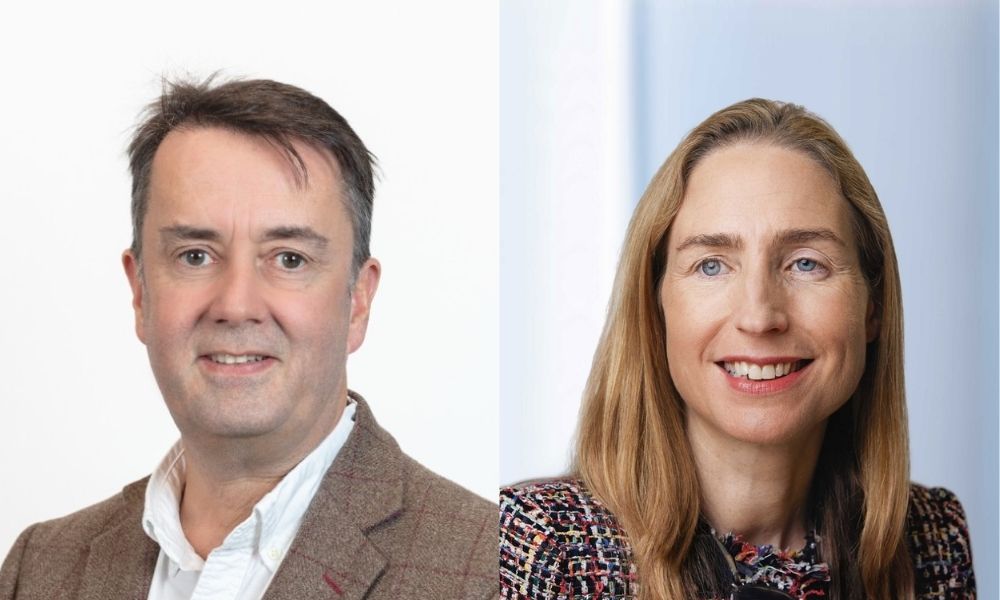
Carolina Klint, Chief Commercial Officer for Europe at insurance broker Marsh McLennan, which contributed to the report, emphasized the compounding effect of these trends. “Societies that are polarized have a much harder time addressing other risks effectively,” she said, explaining how fractured discourse complicates responses to everything from climate disasters to economic challenges.
The findings reflect growing anxiety among global leaders about information integrity as generative AI technologies become increasingly accessible. Recent months have seen a proliferation of synthetic media that can convincingly mimic human voices and create realistic fake images or videos, presenting unprecedented challenges for information verification.
Political polarization, ranked fifth among short-term risks, represents a related concern. The report suggests that divisive politics increasingly hampers governments’ ability to implement effective policies, creating fertile ground for disinformation campaigns to take root.
Over a longer ten-year horizon, the report identifies extreme weather and critical changes to Earth systems as the most significant threats, reinforcing climate change’s position as the defining long-term challenge facing humanity. Water resource crises and ecosystem collapse also feature prominently, suggesting environmental threats continue to dominate expert risk assessments.
Economic concerns, while not at the top of this year’s rankings, remain significant. The report notes persistent inflationary pressures and ongoing debt challenges across many economies create systemic vulnerabilities that could be triggered by geopolitical or environmental shocks.
For the insurance industry, these findings have particular relevance. Insurers increasingly face claims related to extreme weather events while simultaneously navigating risks associated with information integrity and political stability that can impact market conditions and regulatory environments.
Saadia Zahidi, Managing Director of the World Economic Forum, described the current global landscape as “a volatile one with major economic, societal, environmental and technological transformations.” She emphasized the pressing need for “bold action” and cooperation among world leaders to address these interconnected challenges.
The report’s findings will frame discussions at the Davos meeting, which begins Monday and brings together approximately 2,800 participants from business, government, and civil society. The gathering occurs against a backdrop of ongoing conflicts in Ukraine and Gaza, deepening climate concerns, and political transitions in many major economies.
Analysts note that the rise of misinformation and polarization in the risk rankings reflects a growing recognition that societal cohesion represents a critical form of resilience. When populations can’t agree on basic facts or collaborate across political divides, their ability to withstand other shocks—whether economic, environmental, or security-related—becomes significantly compromised.
The WEF has been publishing its Global Risks Report for 19 years, using surveys and expert assessments to identify emerging threats to global stability and prosperity.
Fact Checker
Verify the accuracy of this article using The Disinformation Commission analysis and real-time sources.

11 Comments
As a mining and commodities investor, I’m curious to see how these risk factors could impact the sector. Geopolitical tensions and policy uncertainty could create volatility, while the transition to green energy may drive demand for critical minerals.
That’s an insightful point. The mining industry will need to navigate these complex dynamics carefully in the years ahead.
As an energy analyst, I’m particularly concerned about the potential for misinformation to undermine the transition to renewable sources. Fact-based discourse will be crucial for guiding policy and investment decisions in this sector.
The mining and commodities industries will need to stay vigilant and proactive in the face of these emerging risks. Transparent communication, robust data security, and collaborative problem-solving will be critical for weathering the storm.
The WEF’s assessment aligns with broader concerns about the corrosive effects of polarization and mistrust in institutions. Addressing these challenges will require a multi-faceted approach involving governments, tech companies, and civil society.
Extreme weather events as the top risk is not surprising given the growing impacts of climate change. Addressing both environmental and information-related threats will require coordinated global action.
This is a concerning trend. Misinformation and polarization can have serious ramifications for society and governance. The rise of AI-driven disinformation is especially worrying and requires concerted efforts to address.
The report highlights the need for greater transparency and accountability in the digital information landscape. Developing robust frameworks to identify and limit the spread of disinformation will be essential.
The WEF’s assessment highlights the need for greater media literacy and fact-checking efforts to combat the spread of false information. Strengthening democratic institutions and trust in the political process will also be crucial.
Agreed. Protecting the integrity of elections is vital for maintaining a healthy democracy.
This report serves as a stark reminder of the complex, interconnected nature of global risks. Developing resilience and adaptability will be key for navigating an increasingly volatile and uncertain landscape.