


Listen to the article
Misinformation and manipulated content related to the escalating conflict between Israel and Iran are proliferating across social media platforms, creating challenges for users trying to stay accurately informed during this critical international situation.
Digital verification experts warn that the spike in misleading content follows a pattern seen during other major conflicts, including the Israel-Hamas war that began last October. This latest wave of misinformation emerged shortly after Iran launched hundreds of drones and missiles toward Israel on Tuesday night, marking a significant escalation in regional tensions.
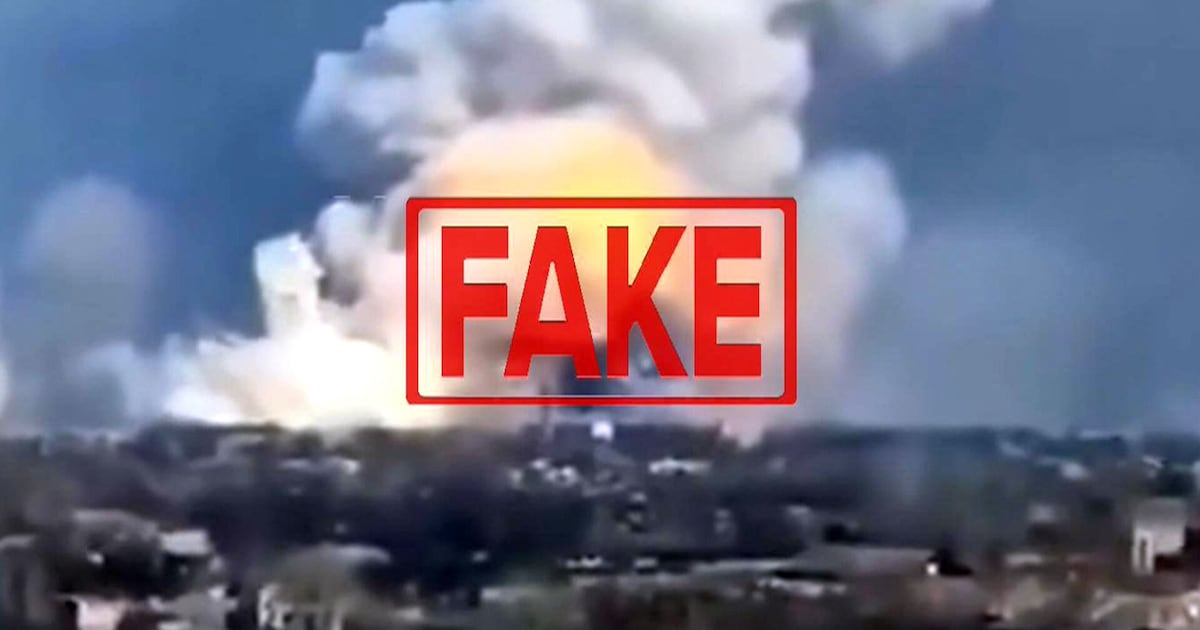
Among the most concerning examples are digitally altered or miscontextualized images and videos that purport to show the Iranian attack. One widely circulated video claimed to depict Iranian missiles striking Israel, but fact-checkers quickly identified it as footage from a Ukrainian attack on Russian forces that occurred months ago.
“What we’re seeing is a mix of deliberately fabricated content and genuine footage that’s being shared out of context,” explains Dr. Sarah Reynolds, a disinformation researcher at the Digital Media Institute. “The rapid pace of events and the emotional nature of conflict make it particularly difficult for average users to distinguish fact from fiction.”
Social media platforms have been flooded with AI-generated images claiming to show destruction in Tel Aviv and other Israeli cities. These images, often created using artificial intelligence tools, contain telltale signs of manipulation but can appear convincing to casual observers. Technical experts point out distorted architectural elements, physically impossible lighting, and unnatural human figures as indicators of AI generation.
The motivations behind spreading such content vary widely. Some accounts appear to be attempting to exaggerate the scope of damage or success of military operations, while others may be seeking engagement and followers through sensationalized content. State-affiliated media outlets and accounts from various countries involved in or sympathetic to parties in the conflict have also been identified as sources of misleading narratives.
“This isn’t just about confusion – misinformation during active conflicts can have real consequences,” notes Professor Michael Chen, who studies information warfare at Georgetown University. “False claims about casualties or military successes can influence public opinion, impact diplomatic efforts, and potentially affect decision-making at critical moments.”
The Israel-Iran tensions represent a particularly fertile ground for misinformation due to the complex geopolitical context and the intense emotional responses the conflict generates globally. The situation has drawn in numerous regional and international stakeholders, each with their own information interests.
Major technology companies including Meta, X (formerly Twitter), and TikTok have stated they are deploying enhanced monitoring systems during the crisis, but the volume and sophistication of misleading content present significant challenges. Critics argue that platform responses remain inadequate, particularly in non-English content moderation.
For consumers of news, experts recommend several strategies to avoid falling victim to misinformation. These include checking multiple reliable sources before sharing content, being particularly skeptical of emotional or sensational claims, and using reverse image searches to verify the authenticity of photos and videos.
“The first images or reports you see during a breaking news situation are often the least reliable,” advises Samira Jafari, director of the Center for Media Literacy. “Taking a pause before sharing content, especially during fast-moving events like military conflicts, is one of the most effective ways to avoid amplifying misinformation.”
As the situation between Israel and Iran continues to develop, the information environment surrounding it is expected to remain challenging. Media literacy experts emphasize that critical evaluation of sources and claims is not just an academic exercise but an essential skill for navigating contemporary conflicts.
International organizations monitoring the conflict have established dedicated fact-checking resources to help journalists and the public navigate the complex information landscape surrounding the escalating Middle East tensions.
Fact Checker
Verify the accuracy of this article using The Disinformation Commission analysis and real-time sources.

16 Comments
The spread of misinformation during conflicts is a longstanding issue, but it seems to be getting worse with the rise of social media. I hope platforms and governments are taking decisive action to combat these malicious efforts to sow confusion.
The proliferation of misinformation around the Israel-Iran conflict is deeply troubling. Fabricated content and misleading narratives can have a corrosive effect on public discourse and understanding. We need a concerted effort to combat this scourge.
The proliferation of fake images and videos related to the Israel-Iran conflict is worrying. It’s a stark reminder of how easily misinformation can spread, especially around major world events. We need to be vigilant consumers of online content.
Agreed. It’s a real challenge to separate truth from fiction these days. Responsible reporting and fact-checking are essential to maintain an informed public.
This is a concerning trend that could have serious real-world consequences. Misinformation and fake visuals have the potential to inflame tensions, undermine trust in institutions, and even lead to violence. Rigorous fact-checking is crucial.
I agree. It’s vital that people remain skeptical of unverified claims and seek out authoritative, impartial sources when trying to understand complex geopolitical developments.
This is concerning. Misinformation can be very damaging, especially during times of heightened tensions and conflict. It’s crucial that people rely on credible, verified sources to stay informed about such sensitive geopolitical situations.
You’re absolutely right. Fact-checking and digital verification are so important to cut through the noise of misleading content online.
This is a prime example of how the rapid news cycle and social media can enable the spread of disinformation. I hope the relevant authorities and platforms are working quickly to identify and remove these misleading posts.
Me too. Curbing the viral spread of fake content is crucial, especially on sensitive geopolitical issues that could inflame tensions further.
This is a troubling development. The deluge of misinformation and fake visuals could make it extremely difficult for people to get an accurate understanding of the situation. Fact-checking and media literacy are so important right now.
Absolutely. It’s critical that people seek out trusted, verified information from reputable news outlets and authorities, rather than relying on unsubstantiated claims or manipulated content.
It’s disheartening to see how easily manipulated footage and images can be weaponized, even in the context of an active military conflict. We need to be extra vigilant about verifying information from credible sources.
The flood of misinformation around the Israel-Iran conflict is deeply troubling. Fabricated content and misleading narratives can have dangerous real-world consequences, inflaming tensions and eroding public trust. Rigorous verification and fact-checking are essential.
This is a concerning development. The spread of misinformation and fake visuals could seriously undermine efforts to de-escalate tensions and find a diplomatic solution. Responsible reporting and fact-checking have never been more important.
Agreed. In times of crisis, it’s critical that people have access to reliable, verified information to make informed decisions. Combating the proliferation of false content is crucial.