


Listen to the article
In a concerning development ahead of Friday’s Irish Presidential election, authorities have identified and removed several deepfake videos spreading false information about candidates and the electoral process. The videos, which circulated widely on social media platforms before removal, highlight growing concerns about AI-generated misinformation in democratic processes.
Meta confirmed it has deleted an account named “RTÉ News AI” that published sophisticated AI-generated clips mimicking Ireland’s national broadcaster. The videos featured convincing but fabricated footage of well-known RTÉ presenters delivering false news about the presidential race.
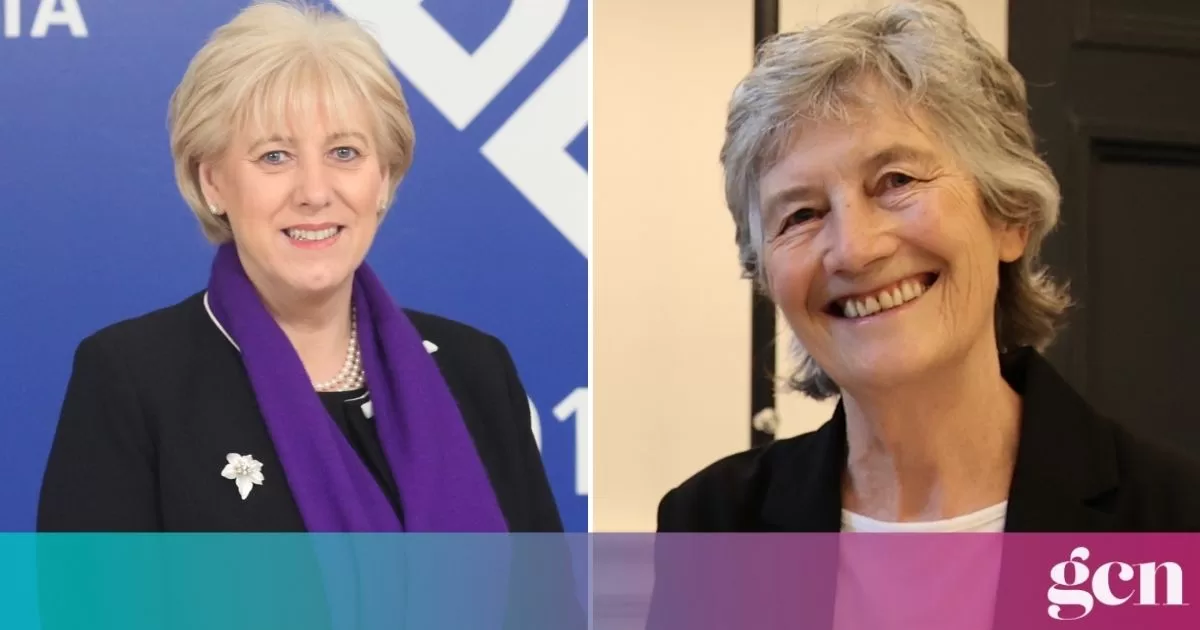
One particularly troubling deepfake showed RTÉ news anchor Sharon Ní Bheoláin falsely announcing that candidate Catherine Connolly had withdrawn from the race. The video then cut to an AI-generated clip of Connolly herself appearing to confirm this withdrawal. The fabricated report concluded with what appeared to be RTÉ reporter Paul Cunningham claiming Friday’s election had been cancelled and that candidate Heather Humphreys would automatically become president.
Additional fake videos from the same account included one featuring presenter Claire Byrne claiming that 56% of early ballots had been spoiled, and another containing a fabricated claim that the Chair of the National Women’s Council of Ireland had made derogatory comments about Connolly’s age.
“The videos were viewed and shared thousands of times before their removal,” an RTÉ spokesperson confirmed. Google has also taken action, removing the YouTube account that hosted these deepfakes earlier today.
The timing of these videos is particularly significant, coming just days before Irish voters head to the polls. Digital media experts have warned that such last-minute misinformation campaigns can be especially effective, as there is limited time for corrections to reach the same audience that viewed the original false content.
The presidential race continues with Catherine Connolly and Heather Humphreys both confirmed on the ballot. Fianna Fáil candidate Jim Gavin will also appear on the ballot despite having withdrawn from the election earlier this month, as his decision came after ballots had been printed.
This incident represents one of Ireland’s most significant encounters with election-related deepfake technology to date. The sophistication of these videos—convincingly mimicking trusted news personalities and formats—demonstrates the evolving challenge facing electoral authorities worldwide.
Dr. Alan Smeaton, a professor of computing at Dublin City University who specializes in digital media manipulation, noted in a recent interview that “the technology to create these convincing fakes is becoming increasingly accessible, while the technology to detect them struggles to keep pace.”
The Electoral Commission of Ireland has responded by launching an information campaign reminding voters to verify election information through official channels. Commission spokesperson Máire Whelan emphasized that “all official election announcements will come through verified government channels and established news outlets, not social media accounts.”
Polling stations across Ireland will open this Friday, October 25, at 7am and remain open until 10pm. All registered voters are eligible to participate and are advised to bring identification, as they may be asked to present it by polling staff.
The Electoral Commission has directed voters to their official website for verified information about the election process and candidates.
This incident adds Ireland to a growing list of countries grappling with AI-generated election interference, following similar cases in the United States, United Kingdom, and several European nations during recent electoral cycles.
Fact Checker
Verify the accuracy of this article using The Disinformation Commission analysis and real-time sources.

9 Comments
These deepfakes are extremely troubling. Voters need to be vigilant and cross-check information from multiple reliable sources before the election.
I’m concerned about the potential impact of these deepfakes on voter trust. Robust fact-checking and digital literacy campaigns are crucial going forward.
Deepfake videos pose a real danger to the integrity of the electoral process. Strong regulations and enforcement are needed to combat this threat.
Deepfakes are a growing concern for election integrity. Authorities must stay vigilant and quickly remove any false videos to protect the democratic process.
Agreed, AI-generated misinformation could seriously undermine public trust. Rigorous fact-checking and transparency from media are critical.
Concerning to see such sophisticated deepfakes targeting the Irish election. This highlights the need for robust regulations and digital literacy education.
Absolutely. Voters must be able to discern real from fake content to make informed decisions. Ongoing efforts to combat misinformation are crucial.
The spread of these fabricated videos is alarming. I hope authorities can quickly identify the source and hold the perpetrators accountable.
Agreed, the use of deepfakes to undermine elections is a serious threat to democracy. Proactive measures to verify information are vital.