


Listen to the article
Minnesota Officials Challenge Trump Administration’s Immigration Claims
Donald Trump’s administration is under fire from Minnesota state officials for spreading “inaccurate” information about immigrants targeted by federal immigration officers in the state.
The Minnesota Department of Corrections (DOC) has launched a dedicated website to counter what it describes as “ongoing misinformation” from Homeland Security officials, particularly following the fatal shooting of 37-year-old Alex Pretti.
“It is disturbing that DHS continues to issue inaccurate statements that erode public trust,” said Minnesota DOC Commissioner Paul Schnell. “We will not allow misinformation to go unchecked — especially when it threatens the integrity of public safety agencies and undermines transparency.”
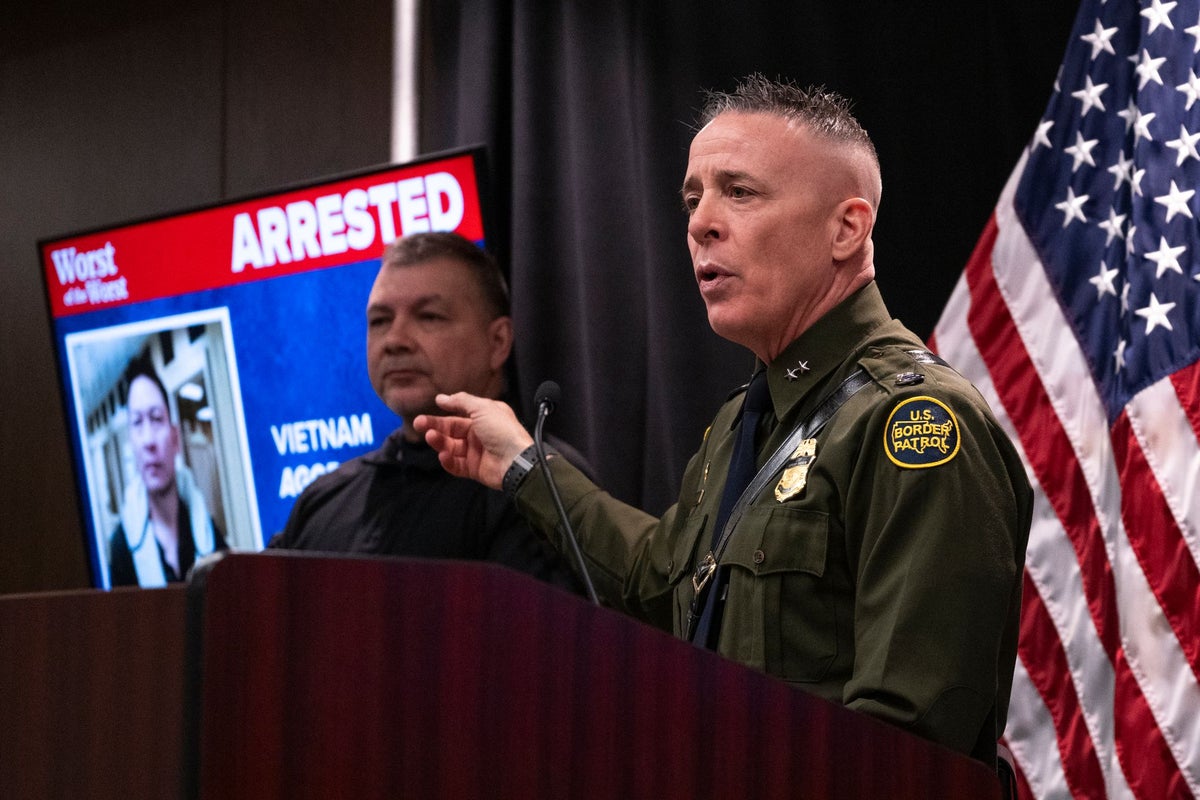
The dispute intensified after a press conference where Greg Bovino, the border patrol official leading Trump’s operation in Minnesota, claimed officers were targeting Jose Huerta-Chuma, who was characterized as having a significant criminal history. However, state officials say Huerta-Chuma has never been in Minnesota’s custody and has no felony record, only decade-old misdemeanor traffic offenses.
This discrepancy is one of several “false or misleading claims” that prompted the creation of the DOC’s information website. State officials also contest Homeland Security’s claim that Minnesota is shielding 1,360 criminally charged immigrants eligible for deportation. According to the DOC, only about 300 people in their system have been identified by Immigration and Customs Enforcement (ICE) as deportable.
Under Minnesota law, the DOC must notify ICE when an immigrant convicted of a felony is scheduled for release. Last year, prison officials transferred 84 such individuals to federal custody after they completed their state sentences. This contradicts administration officials’ assertions that Minnesota has released “hundreds” of deportable immigrants with criminal convictions since Trump took office.
The state’s Attorney General Keith Ellison has advised against honoring ICE “detainers” without a warrant signed by a judge, though some Minnesota counties have established cooperative agreements directly with federal immigration authorities. Detainers are requests from ICE to local law enforcement to hold potentially deportable individuals until federal agents can take them into custody.
The operation in Minnesota represents Homeland Security’s largest immigration enforcement surge to date, with officials promising to “FLOOD THE ZONE” unless the state increases cooperation with ICE. State officials maintain they already follow federal law and coordinate appropriately with immigration authorities.
Last week, Homeland Security publicly demanded that Minneapolis “let ICE in your jails.” Secretary Kristi Noem has claimed state agencies are barred from joining the investigation into Pretti’s death because the state “refuses to cooperate with ICE” — an assertion the DOC explicitly calls “incorrect.”
Minnesota officials have filed lawsuits challenging the operation, alleging it represents a politically motivated and unconstitutional attack on the state. Federal officials dispute these claims and are fighting the legal challenges in several courts.
Governor Tim Walz has testified to Congress that “The Minnesota Legislature has not passed legislation making Minnesota a sanctuary state, and I have not signed any such legislation into law.” Mayor Jacob Frey of Minneapolis has clarified that “At the city level, we do not have authority over jails and prisons — period.”
The DOC’s new website includes current data on noncitizens in state custody and clarifications regarding Homeland Security’s characterizations of detainees as the “worst of the worst.”
“DOC will continue to review facts carefully, correct the record when necessary, and share accurate, verifiable information with the media and the public,” the agency stated.
This dispute highlights growing tensions between federal immigration authorities and state officials as the Trump administration intensifies enforcement actions in Democratic-led states. The situation in Minnesota has already led to violent clashes between federal agents and protesters, with allegations that officers are unlawfully targeting both immigrants and citizens.
Fact Checker
Verify the accuracy of this article using The Disinformation Commission analysis and real-time sources.

8 Comments
It’s concerning to hear about federal agencies spreading misinformation that could undermine public safety efforts. I’m glad Minnesota is taking steps to provide the facts and maintain trust in their correctional system.
The dispute over the characterization of an individual’s criminal history highlights the importance of verifying information and not making unsupported claims, especially when it involves sensitive law enforcement actions. Kudos to Minnesota for standing up for accuracy and transparency.
Absolutely. Basing policies and actions on inaccurate information can have serious consequences, so I’m glad the state is proactively addressing this issue.
This situation illustrates the need for greater coordination and information-sharing between federal and state authorities when it comes to sensitive law enforcement matters. Kudos to Minnesota for standing up for transparency and accuracy.
Agreed. Open communication and a commitment to facts from all levels of government are essential for effective and trusted public safety policies.
The dispute over immigration enforcement claims in Minnesota highlights the importance of verifying information and not making unsupported statements, especially when it comes to sensitive issues. I’m glad the state is taking action to counter the misinformation.
This seems like a concerning situation where the federal government is making inaccurate claims that could undermine public trust in state authorities. It’s good that Minnesota officials are taking steps to counter the misinformation and provide transparency around these issues.
I agree, clear communication and fact-checking from state authorities is crucial to maintain public confidence, especially on sensitive topics like immigration enforcement.