


Listen to the article
The Digital Doctors: Medical Professionals Combat Health Misinformation Online
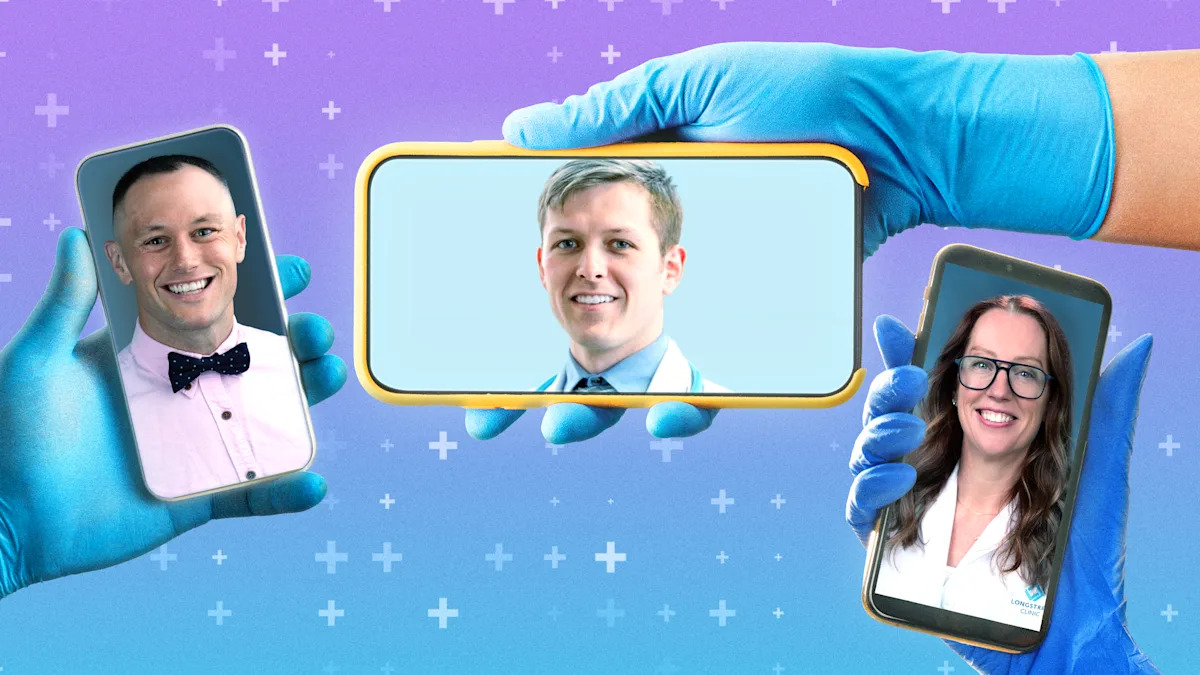
Dr. Betsy Grunch has spent 13 years operating on brains and spines as a neurosurgeon in Georgia. But since 2020, she’s added another dimension to her professional life – content creator. Known to her combined 3.8 million followers on Instagram and TikTok as “Ladyspinedoc,” Grunch has become a trusted voice on health matters from weighted vests to chiropractors.
“I really felt like I could reach a population of people that didn’t have the correct information,” Grunch explains. Her expertise in neurosurgery filled “a niche that was unfulfilled” in the social media health space. Scroll through her feed and you’ll find behind-the-scenes footage of spine surgeries, humorous medical facts, and scientific explanations about everyday phenomena like why we prefer one side of the bed.
Despite her substantial online following, Grunch maintains her full-time medical practice. She’s part of a growing community of healthcare professionals balancing clinical duties with digital content creation. This trend comes at a critical time – a recent KFF Health poll found that more than half of U.S. adults turn to social media for health information and advice at least occasionally.
However, social media platforms can be notoriously unreliable sources for medical information. For physicians like Grunch, creating content isn’t just a side project – it’s a mission to combat widespread health misinformation.
Dr. Tommy Martin, a Massachusetts physician specializing in internal medicine and pediatrics, began his social media journey in 2014 as a medical student sharing study tips. His focus shifted dramatically during the COVID-19 pandemic.
“Through the COVID pandemic, I continued to make social media content, no longer as a medical student, but as a resident physician, on stopping the spread of misinformation,” Martin says. He created videos addressing coronavirus misinformation, detailing COVID vaccine side effects, and explaining the long-term impacts of the disease. His efforts extended to collaborating with the World Health Organization to bring science-based health information to TikTok.
Martin’s content now tackles a range of questionable health claims, from drinking urine to treat UTIs to consuming raw milk. “When we look to research, we see that misinformation reaches far more people than accurate information, especially in the health domain,” he notes. “We also know that a very high percentage of people in the United States look toward social media for their health advice.”
Dr. Zachary Meade, an anesthesia resident who operates as “Dr. Zack MD” online, began posting in 2024 “just for fun” but quickly recognized the prevalence of dangerous health misinformation. He recalls encountering videos discouraging prescription medications and chemotherapy treatments. “I was just blown away because those statements and videos could kill people,” he says.
Equally concerning to these medical professionals is a growing distrust in doctors. Patient trust in physicians and hospitals declined during the pandemic, a trend that continues today. According to a 2025 Edelman report, younger generations trust advice from friends and family almost as much as their doctors, with 45% of people aged 18-34 making health decisions based on uncredentialed advice.
“I just saw this theme of people and comments saying, ‘I don’t trust you. You’re a physician. We don’t trust doctors anymore,'” Meade explains. “A lot of people actually comment that you’re not even a real doctor, you’re just some AI bot.”
To combat this skepticism, these physicians have incorporated personal elements into their content. Meade found that being approachable and authentic has helped skeptical followers reconsider their stance on healthcare professionals. “Once I started interacting with followers in an organic manner and posting very natural content, I’ve had many people go, ‘Oh, I didn’t really trust doctors, but you seem to be one of the good ones.'”
Martin shares aspects of his family life, including videos of his son who lives with a rare genetic disease and autism. His wife, Dr. Phoebe Martin, is also a physician with a significant social media presence. “It lends itself to provide some more humanity to medicine, rather than seeing doctors as just robots churning out prescriptions,” he explains.
Grunch believes her perspective as a working mother has similarly built trust with her audience. “People know me and my family and my kids. Even with my patients, they feel almost like I’m their friend and physician because they know more about me than they would about another physician.”
While content creation can be lucrative – some medical influencers earn substantial incomes from brand partnerships and monetization – these physicians emphasize that financial gain isn’t their primary motivation. Grunch, who partners with brands like Figs, is selective about sponsorships. “Just because someone offers me money, I’m not going to take it. I really want to make sure it makes sense for me,” she says, noting that trust can be “easily lost.”
Martin acknowledges the difficult balance medical creators must strike. “You need to only do brand deals that are evidence-based, that are ethical and that you truly love and support,” he advises.
While he believes social media engagement has become “a necessity for every health care provider,” Martin recognizes the additional burden it places on already overworked professionals. “How is it fair to ask them to work more outside of their day job, where they’re so tired after working, after fighting misinformation in a busy clinic day?”
For those who can manage it, though, the impact makes it worthwhile. “If my content helps one person,” Martin says, “then it’s worth all of the work I put into it.”
Fact Checker
Verify the accuracy of this article using The Disinformation Commission analysis and real-time sources.

16 Comments
As a consumer of health information online, I welcome these doctor-influencers. Their ability to translate complex topics into engaging, relatable content is invaluable. But I hope they maintain a clear separation between their social media presence and their medical practice.
Agreed. Transparency and ethical boundaries will be critical as this trend continues to evolve. But overall, it’s an encouraging development that could improve public understanding of important health issues.
I’m curious to see how this trend evolves. On one hand, it’s great for doctors to share their expertise and combat misinformation. But there are also potential risks around blurring the lines between medical practice and social media influence.
That’s a fair concern. It will be important for these doctor-influencers to maintain clear boundaries and prioritize their professional responsibilities over social media fame or financial incentives.
Kudos to these medical professionals for taking on the challenge of being health influencers. It’s not an easy task, but their willingness to engage on social media could make a real difference in public understanding of important issues.
Absolutely. Their ability to translate complex medical concepts into accessible, relatable content is a valuable skill that can benefit a wide audience.
It’s great to see medical professionals leveraging social media to combat misinformation. They can provide trustworthy, science-based information to a wider audience. But it’s a delicate balance between clinical duties and digital content creation.
Absolutely. Doctors with large social media followings have a responsibility to share accurate, evidence-based health advice. It’s encouraging to see them step up and fill this important role.
Misinformation around health topics can have serious consequences, so I’m glad to see doctors taking an active role in correcting the record on social media. Their expertise and credibility are invaluable.
Agreed. With so many people turning to social media for health info, medical professionals can be a crucial counterweight to the spread of false or misleading claims.
This is an intriguing development, though I imagine it requires careful navigation. Doctors need to ensure their social media presence doesn’t undermine their clinical duties or introduce conflicts of interest. But the potential upside in combating misinformation is significant.
Well said. It’s a fine line they have to walk, but the public health benefits could make it worthwhile if they can strike the right balance.
Doctors becoming social media influencers is an interesting development. It could help reach younger audiences who may not regularly engage with traditional medical sources. But maintaining a clinical practice while producing content is undoubtedly challenging.
That’s a good point. Younger generations in particular are more likely to turn to social media for health information, so doctors can play a vital role in shaping that dialogue.
It’s great to see medical professionals stepping up to combat misinformation on social media. Their expertise and credibility are sorely needed in this space. But they’ll need to be mindful of potential conflicts of interest or blurred lines between their online persona and clinical duties.
Absolutely. Navigating that balance will be crucial. But if done right, these doctor-influencers could make a real difference in improving public health literacy.