


Listen to the article
The recent regulatory shift in India’s approach to medical advertising has exposed a growing tension between constitutional mandates and practical implementation, raising concerns about the protection of scientific integrity in healthcare communications.
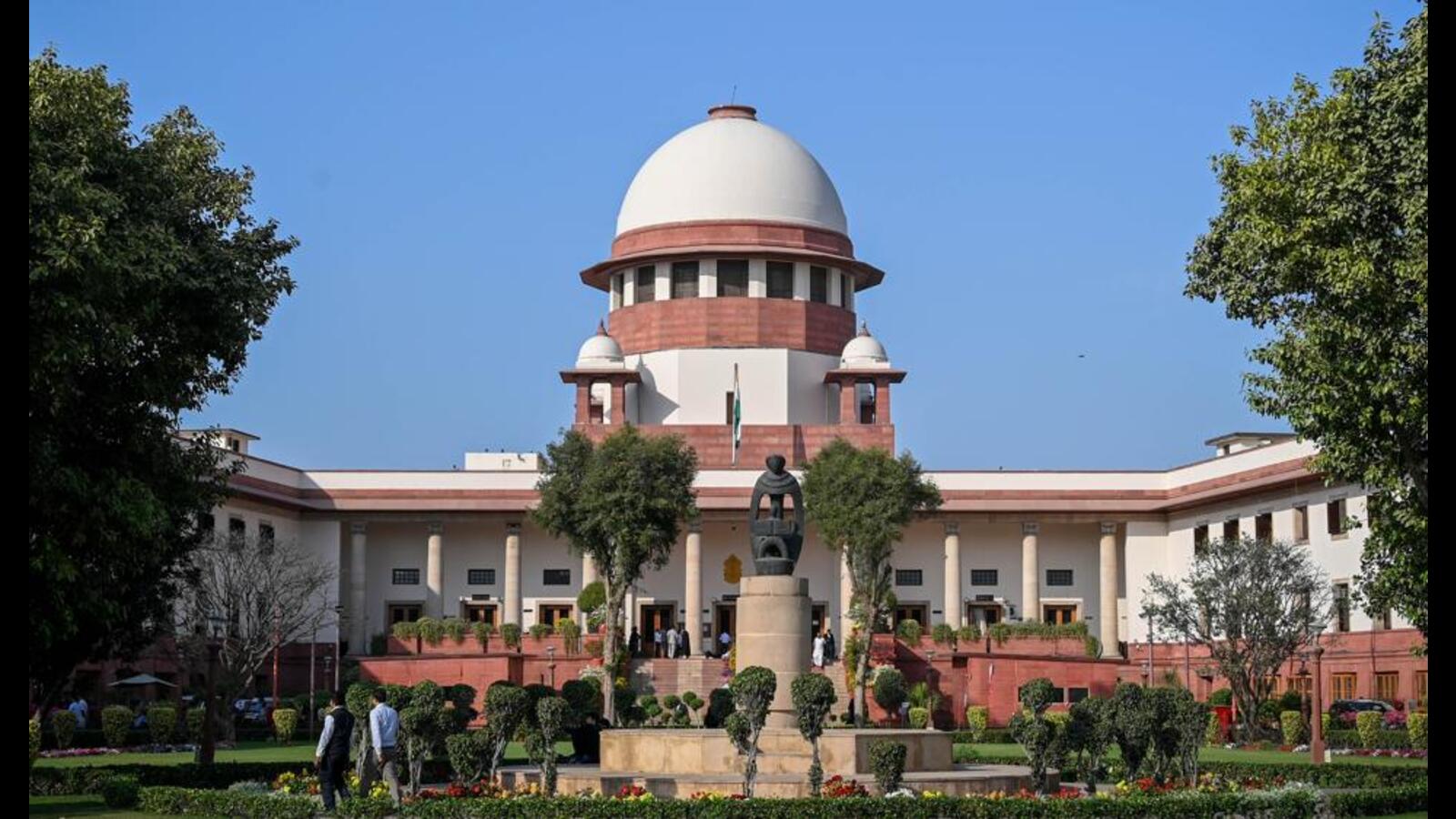
In April 2024, the Supreme Court of India issued a sharp rebuke to Patanjali Ayurved, one of India’s largest Ayurvedic companies, for making misleading claims that disparaged modern medicine in its advertising campaigns. However, even as this case was being heard, the AYUSH ministry (which oversees Ayurveda, Yoga, Unani, Siddha, and Homeopathy) took a seemingly contradictory step by deleting Rule 170 of the Drugs and Cosmetics Rules, 1945.
This rule had served as a crucial regulatory safeguard, requiring advertisements for traditional medicines to receive pre-approval from state licensing authorities before making health claims. Its purpose was straightforward: prevent companies from marketing products with exaggerated or unsubstantiated benefits, such as claiming a herbal preparation could cure diabetes without scientific evidence. By August 2025, the Supreme Court closed proceedings on the matter, effectively endorsing the view that AYUSH advertisements no longer required pre-approval scrutiny.
This regulatory relaxation highlights a fundamental disconnect between constitutional ideals and institutional practice in India. Article 51A(h) of the Indian Constitution explicitly declares it a fundamental duty of every citizen to develop scientific temper, humanism, and a spirit of inquiry. Yet the frameworks needed to uphold these principles remain weak and fragmented.
The popularity of alternative medicine in India demonstrates this gap between constitutional aspirations and reality. Survey data indicates nearly universal awareness of AYUSH systems, with approximately 46% of rural and 53% of urban households reporting use of these treatments in the previous year. This widespread adoption is driven by both economic constraints and trust factors in the healthcare system.
Many Indians face difficult choices when seeking medical care. Public hospitals are often overwhelmed with patients, while private healthcare frequently drives families into debt. India still has one of the world’s highest rates of out-of-pocket healthcare expenditure. By contrast, traditional medicine often seems more accessible and financially manageable.
Beyond economics, perceptions of trust also play a significant role. Patients in crowded government facilities or rushed through brief consultations in private clinics frequently feel neglected. Traditional practitioners, however, often provide familiar environments with personalized attention that builds confidence and comfort.
The government’s establishment of a dedicated AYUSH ministry and collaboration with the WHO Global Centre for Traditional Medicine has further legitimized practices whose evidence base remains contested. This creates contradictory signals for citizens who are constitutionally encouraged to embrace scientific thinking while simultaneously receiving state endorsement for systems that may lack rigorous verification.
Scholars identify this contradiction as “symbolic constitutionalism”—the tendency to make ambitious constitutional commitments without building the institutions necessary for their fulfillment. The repeal of safeguards like Rule 170 exemplifies this problem, shifting responsibility from regulatory frameworks to individual discernment.
With Rule 170’s deletion, consumer protection law has become the primary check against misleading medical advertisements. The Central Consumer Protection Authority issued guidelines in 2022 prohibiting false health claims, but enforcement has been inconsistent and reactive rather than preventive. Meanwhile, proposals to update the Drugs and Magic Remedies (Objectionable Advertisements) Act of 1954 have stalled for years.
This regulatory landscape reflects a phenomenon some describe as “constitutional populism,” where constitutional commitments are reframed in cultural rather than rational terms. Scientific principles become conflated with traditional affirmation, and alternative practices are portrayed as authentically Indian while evidence-based medicine is sometimes characterized as foreign or elitist.
The result is a deepening paradox: constitutional duties expand in text while collapsing in practice. Citizens are urged to develop scientific thinking, but state actions undermine this duty through inconsistent regulation and contradictory policy signals.
Unless government institutions accept responsibility for creating stronger regulatory and infrastructural foundations to support evidence-based decision-making, the constitutional mandate for scientific temper risks remaining merely an aspirational text rather than lived reality for Indian citizens navigating healthcare choices.
Fact Checker
Verify the accuracy of this article using The Disinformation Commission analysis and real-time sources.

13 Comments
The deletion of Rule 170 is worrying, as it removes a crucial safeguard against misleading medical claims. While traditional remedies should be respected, it’s vital that any health benefits are backed by solid scientific evidence. Regulators must reinforce guidelines to ensure responsible marketing and prevent the spread of misinformation.
The tension between constitutional mandates and practical implementation is a troubling dynamic. While traditional medicine has an important role to play, it’s vital that public health and safety remain the top priority. Regulators must find a way to uphold scientific integrity without stifling legitimate traditional practices.
The deletion of Rule 170 is concerning and could open the door to misleading claims about traditional medicines. While Ayurvedic and other traditional practices have merit, it’s critical that any health benefits are backed by rigorous scientific evidence to protect public safety. Regulators must find a way to uphold both traditional values and modern medical standards.
It’s concerning to see a weakening of regulations around medical claims, especially given the rise of misinformation. While traditional medicine has value, any health benefits need to be rigorously demonstrated. Regulators should reinforce guidelines to protect consumers from false or exaggerated marketing.
Absolutely. Robust oversight is critical to maintain trust in the healthcare system and ensure public safety, even as traditional practices are supported.
This highlights the ongoing tension between populist politics and evidence-based policymaking. While traditional remedies should be respected, public health must come first. I hope India can find a way to balance these competing interests through sensible regulation grounded in scientific principles.
Well said. Maintaining the integrity of the healthcare system is paramount, even as traditional practices are valued. Nuanced policymaking is needed to navigate this tricky terrain.
This is a concerning trend that threatens public health. While traditional medicine has value, it’s critical that health claims are backed by rigorous scientific evidence to protect consumers from misinformation. Regulators must strike a careful balance to uphold both traditional practices and modern medical standards.
Agreed. Oversight is needed to ensure responsible marketing and prevent misleading claims that could undermine trust in science-based healthcare.
This is a concerning development that could undermine public trust in the healthcare system. Traditional medicine has value, but any health claims must be rigorously tested and proven. I hope the Indian government can find a way to strike a better balance between protecting consumers and supporting Ayurvedic practices.
This is a complex issue that highlights the challenges of balancing traditional and modern medicine. While Ayurvedic practices should be respected, any health claims need to be supported by solid scientific evidence. Regulators must strike a careful balance to prevent the spread of misinformation while still allowing for the evolution of traditional remedies.
The deletion of the regulatory safeguard Rule 170 is troubling. Unrestricted advertising of traditional medicines with unproven benefits could lead to dangerous misinformation spreading. I hope the Indian government can find a way to support Ayurvedic practices while still protecting public health.
This is a complex issue balancing traditional and modern medicine. Regulators must tread carefully to uphold scientific integrity without stifling legitimate traditional practices.