


Listen to the article
Nigeria to Unveil World’s First Media Literacy Center as Minister Calls for Digital Discernment
Nigeria’s Minister of Information and National Orientation, Alhaji Mohammed Idris, has emphasized the critical importance of media literacy in combating misinformation, describing it as a “vaccine” against false information in today’s digital landscape.
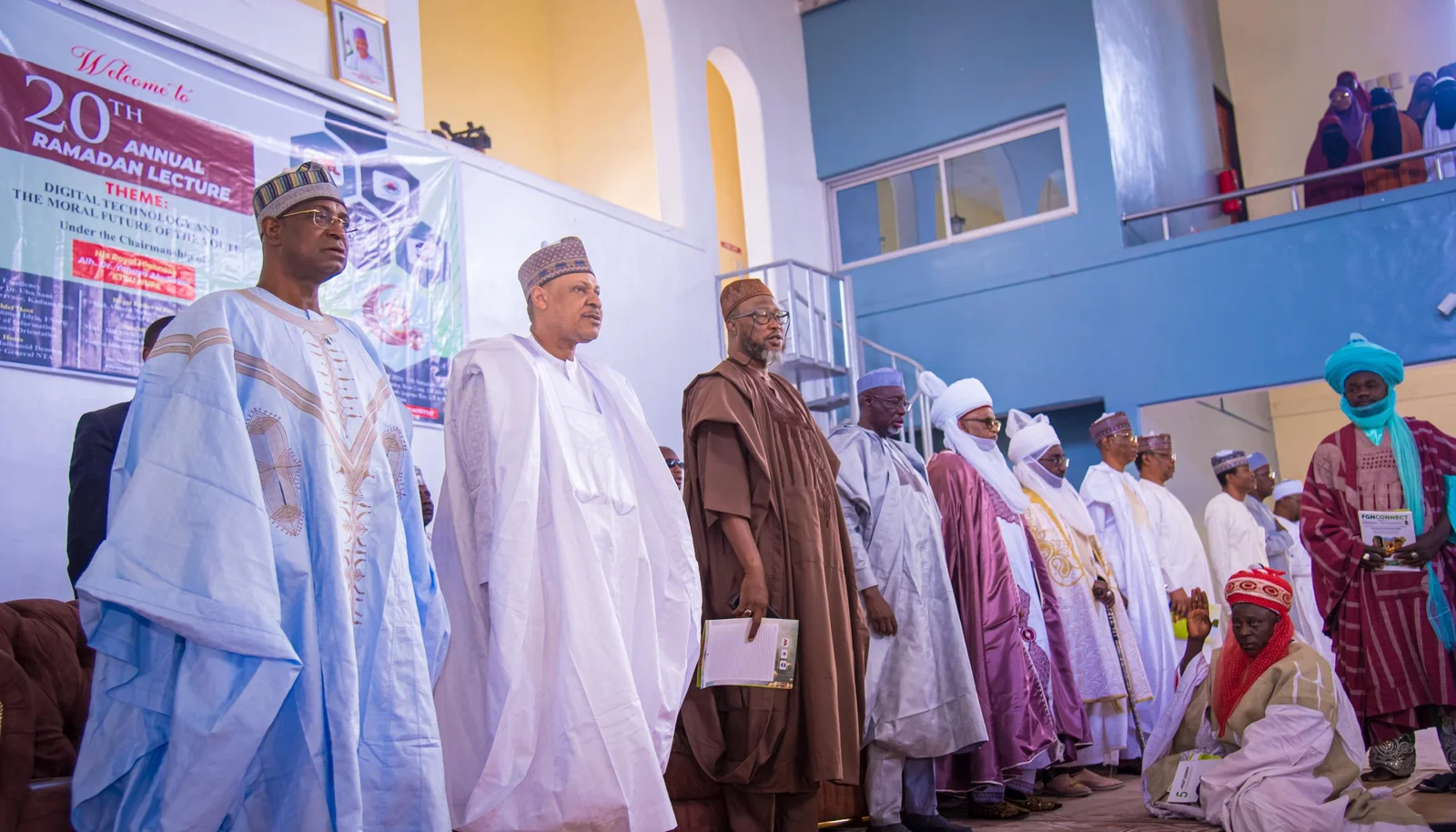
Speaking at the 20th Annual Ramadan Lecture in Kaduna on Saturday, themed “Digital Technology and the Moral Future of the Youth,” Idris revealed that Nigeria will soon become the first country to host a dedicated Media and Information Literacy Centre, scheduled to be unveiled by President Bola Tinubu and the Director-General of UNESCO by the end of March.
“This is the first centre anywhere in the world where people can be taught how to navigate this digital truth,” Idris explained. “Because it’s not just enough for you to be literate, it is important that you are digitally literate. And this will help our young men and women to navigate this complex way of digital media or new media.”
The minister highlighted the growing challenge of disinformation, which he characterized as a form of “political warfare” that erodes trust and deepens societal suspicion. He noted that today’s youth are growing up in an environment where “information is abundant but wisdom is scarce,” making digital literacy skills increasingly vital.
The initiative comes at a particularly significant time for Nigeria, where approximately 70 percent of the population is under the age of 35. This demographic reality underscores the urgency of equipping young Nigerians with the skills to distinguish fact from fiction in the digital space.
“Our tradition teaches that youth is no exemption from duty,” Idris remarked. “Nigeria is placed with one of the youngest populations on earth. This represents an endowment of energy and of potential. The question is whether we equip and guide them to discharge this responsibility responsibly.”
The minister outlined several key programs implemented by President Tinubu’s administration aimed at leveraging digital technology for youth empowerment. These include the 3MT program, which connects trained youth to economic opportunities as employees, global freelancers, or founders, and the Nigerian Education Loan Fund (NELFund), which has enabled over 900,000 young Nigerians to access higher education by removing financial barriers.
“In the past, we had a situation where some of these young men and women were unable to attend higher education simply on account of the inability of their parents or guardians to pay for their tuition fees and for their upkeep. That is now gone,” Idris stated.
Other initiatives mentioned include the presidential CNG (Compressed Natural Gas) initiative, which is creating thousands of jobs for young mechanics and entrepreneurs, and the Green Hope infrastructure projects, which provide immediate employment opportunities in construction and engineering.
Minister of Livestock Development, Malam Idi Mukhtar, also addressed the gathering, emphasizing the timeliness of the lecture’s theme. “We live in an era defined by unprecedented technological advancements, where the digital world has become an indisputable part of our daily lives,” Mukhtar said. “While technology offers immense opportunities for learning and connection, it also presents profound challenges, particularly to the moral and ethical environment developed by our youth.”
The UNESCO-designated Media and Information Literacy Institute represents a significant achievement for Nigeria, positioning the country as a leader in addressing digital literacy across Africa. The institute aims to equip young people with critical thinking skills necessary to navigate an increasingly complex digital landscape where misinformation spreads rapidly.
Idris concluded by stressing that government efforts alone cannot address these challenges, calling for parents, teachers, religious leaders, and young people themselves to embrace the responsibility of discernment in the digital age.
The event was also attended by the Managing Director of the News Agency of Nigeria (NAN), Malam Ali M. Ali, among other dignitaries.
Fact Checker
Verify the accuracy of this article using The Disinformation Commission analysis and real-time sources.
