


Listen to the article
A viral video falsely depicting a “zombie drug” in Bengaluru has been exposed as misleading, with police confirming no narcotics were involved in the incident that sparked widespread panic across social media channels.
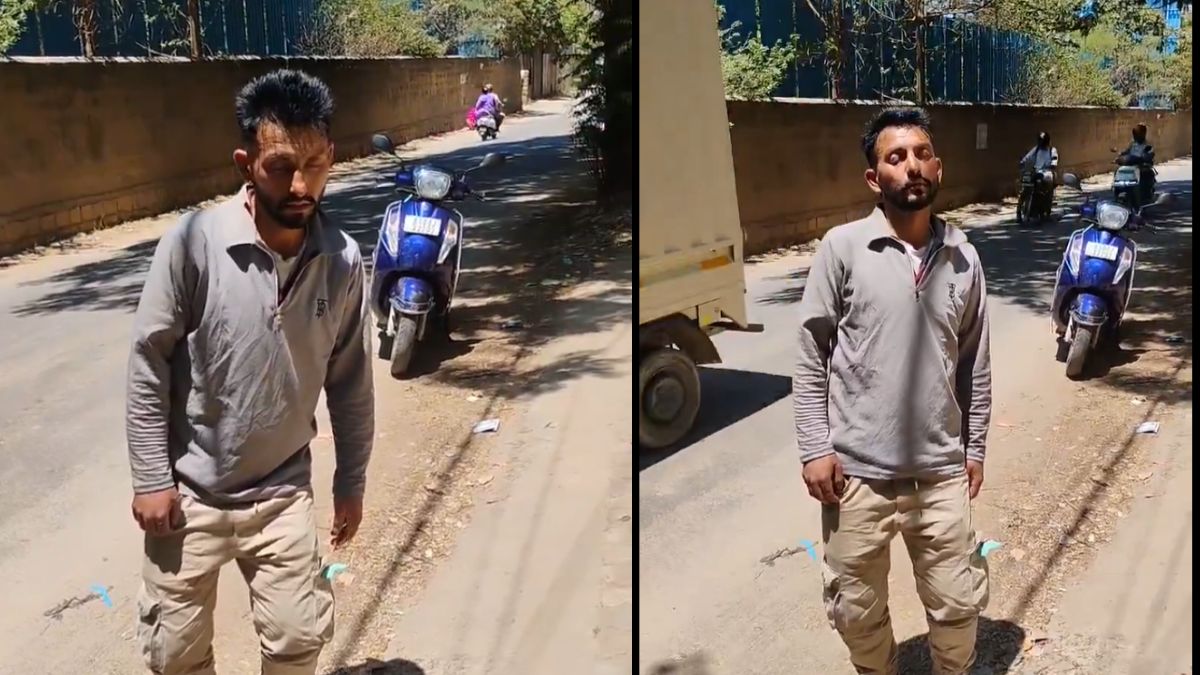
The 32-second video, which showed a man staggering and appearing disoriented on a roadside in Bagalur, quickly gained traction online and garnered over 100,000 views within hours of being uploaded. The footage triggered concerns about a dangerous synthetic drug allegedly entering Bengaluru’s streets, but authorities have now conclusively determined these claims were unfounded.
According to Bengaluru Police Commissioner Seemant Kumar Singh, medical tests conducted on the man in the video revealed no presence of narcotic or psychotropic substances. Instead, doctors concluded his condition resulted from a combination of prescribed medications and alcohol.
“The individual is a truck driver from Punjab who is currently living in Bagalur,” explained Commissioner Singh. “He had taken medication for arthritis and sinusitis before consuming alcohol while off duty. This combination led to disorientation, facial swelling, and difficulty walking—symptoms that were misinterpreted as drug use in the viral clip.”
Police investigators identified the person who recorded and shared the video as Hemanth Kumar, a 29-year-old field executive from Vidyaranyapura. Kumar reportedly filmed the clip on April 7 around 11:30 am near Nitte Meenakshi Institute of Technology on Bagalur Main Road.
During questioning, Kumar admitted to authorities that he suspected the man was under the influence of a “zombie drug” after seeing similar videos online. Without verifying facts, he uploaded the clip to Instagram with alarmist captions, triggering public concern.
The Bagalur police traced both the driver and Kumar within hours using vehicle details visible in the footage. Officers have since registered a case against Kumar under provisions of the Bharatiya Nyaya Sanhita and the Information Technology Act for spreading public mischief. He has been placed under arrest and subsequently issued a video apology, acknowledging there was no confirmation of drug use and expressing regret for causing public alarm.
“I deeply regret sharing unverified content that caused unnecessary fear among Bengaluru residents,” Kumar stated in his apology video. “I should have confirmed the facts before posting such sensitive content.”
The incident comes amid growing concerns globally about misinformation on social media platforms and its potential to create public panic. Synthetic drugs colloquially referred to as “zombie drugs” have made headlines in several countries, including the United States, where substances like “tranq” (xylazine) have caused severe health effects including tissue necrosis and catatonic states.
State Home Minister G. Parameshwara addressed the incident, clarifying that it had nothing to do with any new drug. “The man’s condition was simply the result of alcohol consumption along with medication,” he stated. “I want to reassure citizens that there is absolutely no ‘zombie drug’ threat in Bengaluru.”
The Minister emphasized that Bengaluru’s narcotics enforcement agencies maintain vigilant monitoring of drug trafficking trends, and no such substance has been detected in the region. He urged residents to exercise caution when encountering alarming content on social media.
This incident highlights how quickly unverified information can spread online and create unnecessary public fear. The Bengaluru City Police have used their official social media channels to counter the misinformation and reassure residents.
Law enforcement officials have urged citizens to avoid sharing unverified content, especially regarding sensitive issues like drug use, and to rely on official sources for confirmation. The case serves as a reminder of the potential legal consequences for those who spread misinformation that could lead to public panic or disorder.
Fact Checker
Verify the accuracy of this article using The Disinformation Commission analysis and real-time sources.

7 Comments
While the person who posted the video may have had good intentions, the consequences of their actions demonstrate the importance of verifying information before sharing it, especially when it comes to sensitive topics like public health and safety. Responsible sharing is key.
This incident serves as a cautionary tale about the dangers of spreading unverified information online. While it’s understandable the person may have thought they were sharing something important, the consequences of their actions highlight the need for more digital literacy education.
Interesting how quickly a misleading video can go viral and spark widespread panic, even without any factual basis. This highlights the need for greater media literacy and fact-checking, especially when it comes to sensational claims about drugs or public safety.
This incident highlights the need for improved media literacy and critical thinking skills, both for individuals and society as a whole. We should all strive to be more mindful and responsible when it comes to the information we consume and share online.
It’s reassuring to see the authorities taking a proactive approach to addressing this misinformation and preventing further panic. Transparency around the actual causes is important to maintain public trust and avoid unnecessary hysteria.
It’s good to see the police taking this situation seriously and providing a clear explanation. Posting misinformation, even unintentionally, can have real impacts on people’s perceptions and behavior. Kudos to the authorities for setting the record straight.
Well, that’s certainly an embarrassing situation for the person who posted the fake ‘zombie drug’ video. I’m glad the authorities were able to determine the true cause of the man’s disorientation and dispel the misinformation. Spreading false claims can have serious consequences.