


Listen to the article
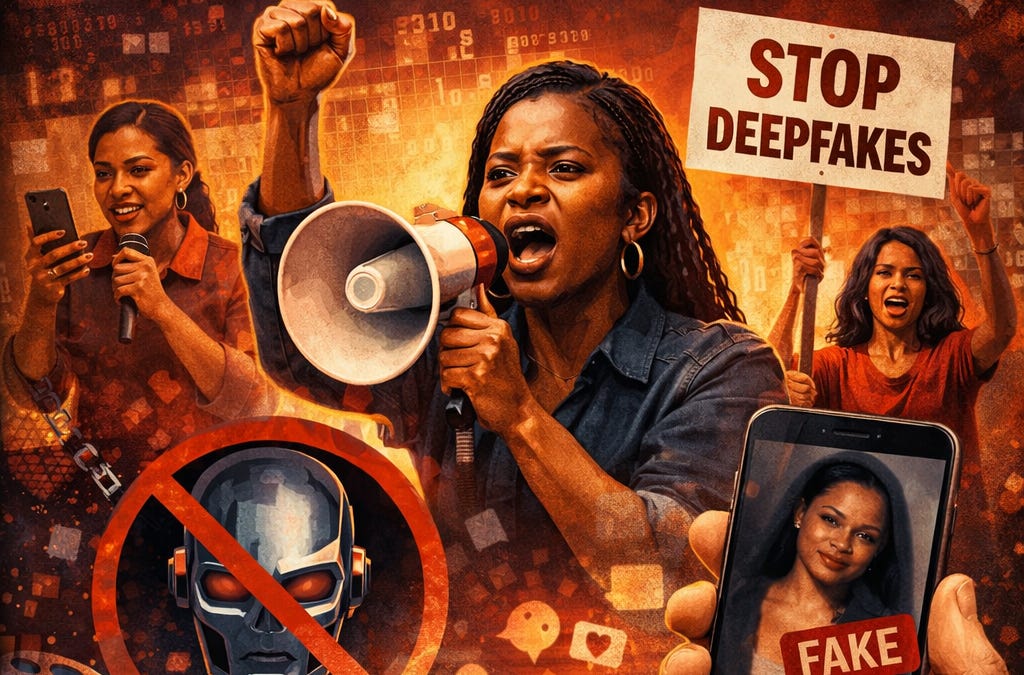
In a troubling development highlighting technology’s dark side, feminist leaders and media watchdogs in Malawi are sounding the alarm over the rising threat of AI-generated deepfakes targeting women across the country. These sophisticated digital manipulations are creating a new frontier of gender-based harassment with potentially devastating consequences.
“Social media has been a game-changer for our movement, allowing women to speak out on issues affecting them. But others are using it to sexualize women, and that’s unacceptable,” activist Joan Ching’amba told reporters during a recent press conference in Lilongwe, the nation’s capital.
The emergence of deepfake technology—which uses artificial intelligence to create convincingly realistic but fabricated audio, video, and images—represents a growing crisis at the intersection of technology and gender. While initially confined to specialized tech circles, these tools have become increasingly accessible to anyone with basic digital skills and malicious intent.
For Malawian women, particularly those in public life, the consequences can be severe. Several public figures have reportedly been targeted with doctored images circulated without consent on various social media platforms. The psychological toll, reputational damage, and potential career implications create a chilling effect on women’s participation in public discourse.
In response to this growing threat, the Media Institute of Southern Africa (MISA) Malawi chapter has intensified efforts to combat digital misinformation through its innovative iVerify platform. This initiative enables both journalists and the general public to report suspicious content for professional verification.
“We have been engaging the general audience and journalists through training and awareness to fight against the spread of misinformation across the country,” explained Golden Matonga, MISA Malawi chairperson. The organization employs a rigorous triple-verification process involving journalists, IT experts, and legal specialists to assess content submitted via WhatsApp or through an online dashboard.
MISA Malawi has also begun incorporating AI detection tools into its verification arsenal—fighting technology with technology. Despite these efforts, the organization acknowledges significant limitations in its capacity to remove harmful content once it begins circulating online.
“We have no mandate to remove deepfakes, but we can empower journalists to diffuse misinformation with clarity and verified news,” Matonga added, highlighting the organization’s focus on media literacy and professional training as countermeasures.
The challenges in Malawi mirror a global struggle against deepfake harassment. Major social media platforms, including X (formerly Twitter), face mounting criticism over their content moderation policies regarding AI-generated material. Governments in the United Kingdom, Malaysia, India, and France have recently called for stronger regulatory frameworks and platform accountability to address the proliferation of intimate deepfakes.
Digital rights experts note that deepfakes represent a particularly insidious form of gender-based violence because they weaponize a woman’s likeness and identity against her, while technological sophistication makes detection increasingly difficult for average users. The technology’s rapid evolution outpaces both legal frameworks and platform safeguards, creating a protection gap that disproportionately affects women.
The situation in Malawi highlights broader tensions in Sub-Saharan Africa, where expanding digital access brings both opportunities for women’s empowerment and new vectors for harassment. According to regional technology researchers, the lack of specific legislation addressing deepfakes in many African nations compounds the vulnerability of women to digital manipulation.
Activists argue that addressing this challenge requires a multi-faceted approach including digital literacy programs, stronger platform accountability, and legal frameworks that specifically recognize and criminalize deepfake harassment. Meanwhile, women’s rights organizations are developing peer support networks for victims while advocating for technological solutions that can identify and flag manipulated content before it spreads.
As the technology becomes more sophisticated and widely available, the battle against deepfake harassment in Malawi represents a critical front in the broader struggle for women’s digital rights and safety across the African continent.
Fact Checker
Verify the accuracy of this article using The Disinformation Commission analysis and real-time sources.

13 Comments
Malawian women in public life should not have to deal with this kind of harassment and abuse. I hope the authorities take strong action to identify and punish those responsible for these deepfake attacks. Protecting vulnerable citizens must be a top priority.
This is a disturbing development that highlights the dark side of technology. Deepfake abuse targeting women is a serious issue that needs to be addressed urgently. I hope the Malawi government and tech companies work together to find solutions to protect vulnerable citizens.
Agreed. Deepfake technology can have devastating consequences, especially for women in public life. Strict regulations and education campaigns are crucial to combat this growing threat.
This is a troubling trend that highlights the need for greater digital literacy and media awareness, especially among vulnerable populations. I hope the Malawi authorities work closely with tech companies and civil society to find effective ways to combat deepfake abuse.
The rise of deepfake abuse targeting women in Malawi is a disturbing trend that highlights the urgent need for greater regulation and accountability around emerging technologies. I hope the international community can offer support and resources to address this issue.
Agreed. This is a complex problem that requires a global response. Collaboration between governments, tech firms, and civil society will be crucial to develop effective safeguards and empower vulnerable communities.
The use of deepfakes to sexualize and harass women is unacceptable. I’m glad the Malawi feminist leaders are raising awareness of this problem. Technology companies have a responsibility to develop safeguards and mitigate the misuse of their products.
Absolutely. This issue requires a multipronged approach involving policymakers, tech firms, and civil society. Raising public awareness and empowering women with digital literacy skills are important first steps.
Deepfake technology has the potential to be misused in harmful and unethical ways, as we’re seeing in Malawi. I hope the authorities there can work with tech companies and civil society to develop robust solutions to protect women from this kind of abuse.
The weaponization of deepfake technology against women is a disturbing manifestation of gender-based violence. I applaud the Malawian feminist leaders for their courageous efforts to raise awareness and demand action on this critical issue.
Absolutely. This problem requires a multifaceted approach, including legal reforms, technological safeguards, and public education campaigns. Only a coordinated response can effectively address the growing threat of deepfake abuse.
The rise of deepfake technology is deeply concerning, especially when it’s used to target and undermine women. I commend the Malawi feminist leaders for speaking out and bringing this issue to the forefront. Concerted efforts are needed to safeguard against such abuses.
Agreed. Deepfakes pose a significant threat to individual privacy and integrity. Regulatory frameworks and technological solutions need to be developed to address this emerging challenge.