


Listen to the article
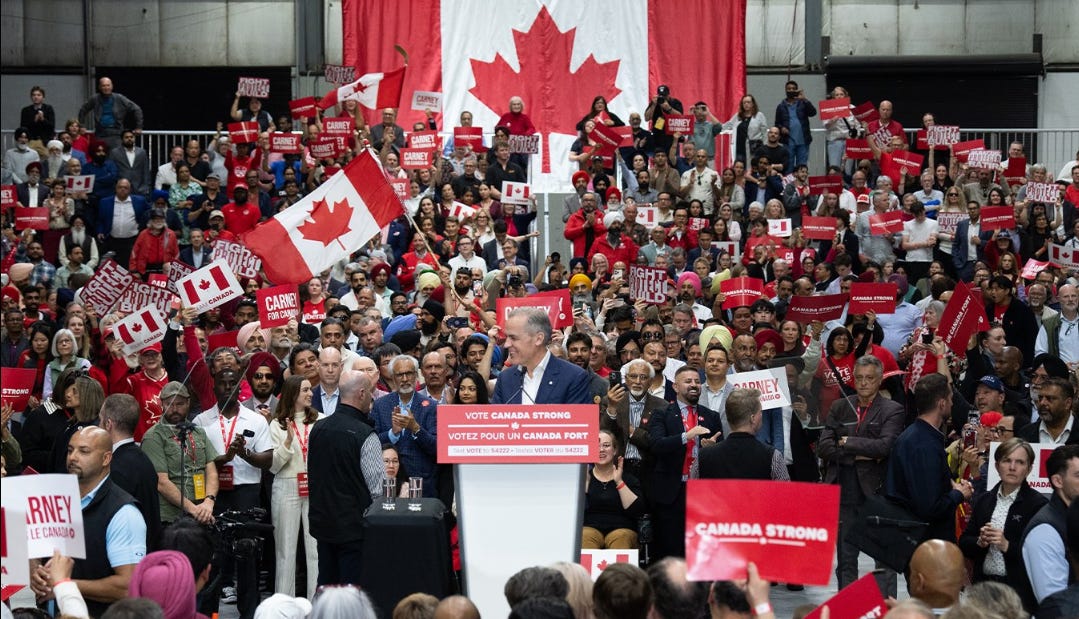
In a move that signals growing concern over emerging technologies, Canada’s Liberal Party is poised to debate a series of far-reaching tech regulations at its national convention in Montreal this week. The proposed policy resolutions target artificial intelligence systems, online speech, and digital platforms, with a particular focus on protecting youth from potential technological harms.
The comprehensive package of resolutions frames AI and social media as significant risks to mental health and public safety, especially for younger Canadians. One of the most notable proposals calls for restricting children’s and teenagers’ access to AI technologies and chatbots, citing concerns that these tools contribute to “loneliness, depression and feelings of inadequacy” among youth.
This position reflects a growing international trend of policymakers grappling with the rapid advancement and proliferation of AI technologies. As generative AI tools like ChatGPT and Google’s Gemini have become more sophisticated and widely available over the past two years, governments worldwide have struggled to establish appropriate guardrails for their use.
The Liberal proposals come at a pivotal moment for tech regulation in Canada. The federal government has already introduced the Online Harms Act earlier this year, which established new legal responsibilities for digital platforms. These new resolutions would potentially expand that regulatory framework significantly.
Digital rights advocates are watching the convention closely, with some expressing concern that overly broad restrictions could hamper technological innovation while failing to address the root causes of mental health issues. Tech industry representatives have called for balanced approaches that protect vulnerable populations without stifling Canada’s emerging AI sector.
The focus on youth protection aligns with similar initiatives in other jurisdictions, including the European Union’s Digital Services Act and various U.S. state laws limiting social media use by minors. However, the Liberal proposals appear to go further by specifically targeting AI chatbots and other conversational systems that have become increasingly popular educational and entertainment tools.
Health experts have presented mixed evidence regarding technology’s impact on youth mental health. While some studies have linked excessive screen time and social media use to increased anxiety and depression, others suggest that moderate, supervised use of digital tools can provide valuable learning opportunities and social connections for young people.
For the Canadian tech industry, which has positioned itself as a leader in responsible AI development, these proposals raise important questions about the balance between innovation and regulation. Toronto and Montreal have emerged as significant AI research hubs in recent years, attracting substantial investment from major tech companies and nurturing numerous startups.
The convention will provide Liberal Party members an opportunity to debate and refine these proposals before they potentially become part of the party’s official platform. With a federal election expected within the next two years, the positions established at this convention could significantly shape Canada’s approach to technology regulation in the coming decade.
Prime Minister Justin Trudeau’s government has previously emphasized its commitment to ensuring that technological advancement benefits all Canadians while minimizing potential harms. These resolutions suggest the party may be leaning toward a more interventionist approach in the digital sphere.
Industry watchers note that implementation of such regulations would present significant technical and enforcement challenges. Determining appropriate age verification systems that don’t compromise privacy and defining precisely what constitutes harmful AI interaction would require careful consideration and extensive consultation with experts.
As delegates gather in Montreal, the debate over these technology proposals reflects broader questions facing democracies worldwide: how to harness the benefits of rapid technological change while protecting citizens, particularly the most vulnerable, from emerging digital risks.
Fact Checker
Verify the accuracy of this article using The Disinformation Commission analysis and real-time sources.

11 Comments
The rapid development of AI is certainly creating new challenges for policymakers. I hope the Liberals’ proposals are well-researched and consider input from a range of stakeholders.
While the mental health concerns around AI are valid, I hope the Liberals avoid heavy-handed restrictions that could stifle innovation. A balanced, collaborative approach may yield better results.
I’m curious to see the details of the proposed regulations. Restricting teen access to AI tools could be a blunt approach – perhaps targeted solutions for specific concerns would be more effective.
Good point. Nuanced, evidence-based policies will be key to address the complex issues around AI and youth mental health.
Interesting to see the Liberals taking a stance on regulating AI and online content. While the potential harms are concerning, any regulations will need to balance user safety with freedom of expression.
Absolutely. Finding the right balance between protecting youth and preserving open internet will be a tricky challenge.
The proposal to restrict teen access to AI tools is an ambitious one. I wonder how feasible and effective such a policy would be in practice.
Agreed. Enforcing age-based restrictions on emerging technologies is notoriously challenging. Targeted solutions may be more realistic.
As someone with an interest in the mining and commodities sectors, I’ll be closely following this policy debate. The implications for my investments could be significant.
As an investor in mining and energy equities, I’ll be watching this debate with interest. Sensible tech regulations could impact commodity demand and supply dynamics.
Good observation. Any policies affecting AI, digital platforms, or online content could have ripple effects across the mining and energy sectors.