


Listen to the article
Lebanon’s Ministry of Information Launches ‘Fact Check Lebanon’ Initiative to Combat Misinformation
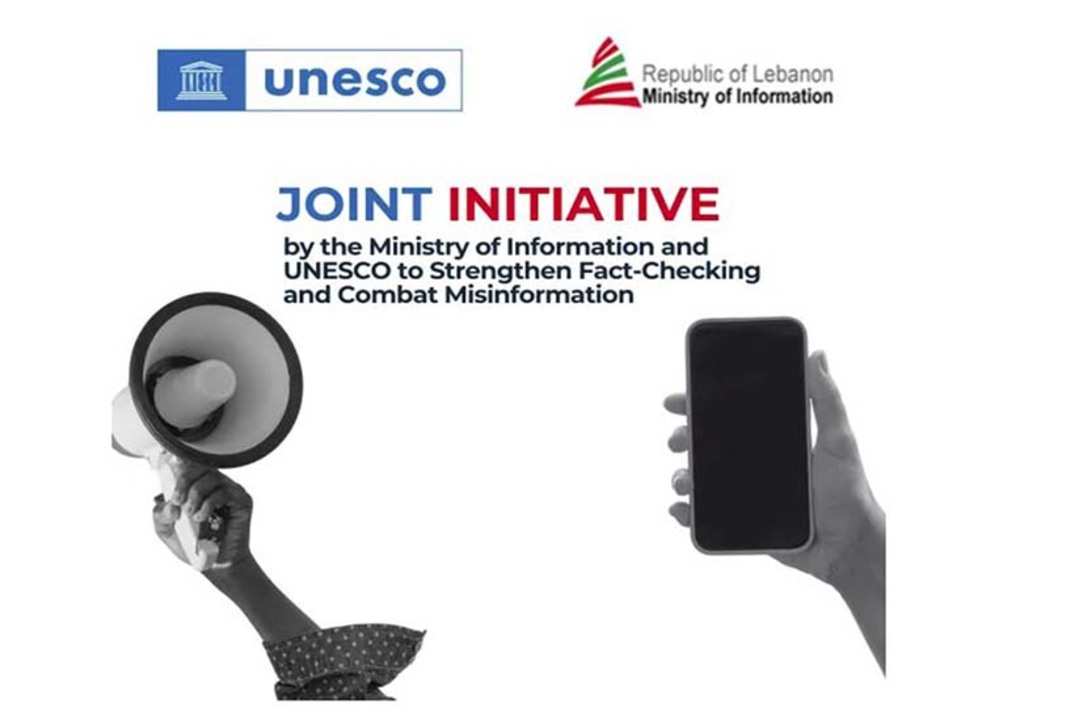
In response to growing concerns over the spread of misinformation during Lebanon’s ongoing crises, the Ministry of Information has established a specialized fact-checking unit with support from the UNESCO Regional Office in Beirut. The initiative, named ‘Fact Check Lebanon,’ aims to strengthen media credibility and promote information verification in a country grappling with multiple challenges.
The unit will operate through a dedicated webpage on the Ministry’s official website, where it will review circulating news, verify information, and publish fact-checking results directly to the public. This effort represents a significant step in Lebanon’s fight against rumors and disinformation that have proliferated during recent periods of instability.
Dr. Paul Morcos, Lebanon’s Minister of Information, has overseen the development of the initiative, which comes at a critical time for the country’s information ecosystem. Lebanon has faced compounding crises in recent years, including economic collapse, political deadlock, and the aftermath of the 2020 Beirut port explosion, creating fertile ground for misinformation campaigns.
UNESCO’s support has been instrumental in launching the initiative, providing specialized training for ministry staff through workshops focused on information verification skills, digital platform monitoring tools, and media content analysis techniques. These capacity-building efforts aim to equip the ministry with the necessary expertise to effectively track news and counter false information circulating in both traditional and social media channels.
“This initiative is part of our broader strategy to ensure Lebanese citizens have access to reliable information, especially during times of crisis when accurate news becomes crucial for public safety and social stability,” a ministry spokesperson explained.
The program also emphasizes collaboration between government bodies and media professionals. The Ministry plans to enhance cooperation with journalists, news outlets, and relevant institutions to develop robust mechanisms for information verification and sharing. This collaborative approach seeks to elevate professional media standards throughout Lebanon’s diverse media landscape.
Media experts have highlighted the importance of such initiatives in the current regional context. Dr. Jad Melki, Director of the Institute of Media Research and Training at the Lebanese American University, noted in a previous statement on similar initiatives: “The Middle East region faces unique challenges with misinformation due to political polarization, sectarian tensions, and external influence campaigns. Fact-checking initiatives are essential safeguards for democratic discourse.”
To further strengthen the initiative’s reach and effectiveness, UNESCO is integrating young participants from various Lebanese regions into the program. These youth have previously received training in media and information literacy, particularly through UNESCO’s youth empowerment project in southern Lebanon, funded by the United Nations Interim Force in Lebanon (UNIFIL).
This involvement of trained youth from diverse backgrounds aims to ensure the fact-checking unit maintains broad geographical and demographic awareness while building a new generation of media-literate citizens.
The ‘Fact Check Lebanon’ initiative reflects a growing global trend of institutional responses to misinformation. Similar programs have been established in countries facing information integrity challenges, including Tunisia’s “Verify Tunisia” and Jordan’s “Fatabayyano” platforms.
Media watchdogs and press freedom advocates have generally welcomed such efforts while emphasizing the importance of maintaining independence and objectivity in government-affiliated fact-checking operations.
As the initiative moves forward, its effectiveness will likely be measured by its impact on public discourse, media practices, and overall information literacy among Lebanese citizens. The program represents an important institutional response to misinformation challenges in a country where accurate information is essential for navigating multiple overlapping crises.
Fact Checker
Verify the accuracy of this article using The Disinformation Commission analysis and real-time sources.

14 Comments
Partnering with UNESCO is a wise choice, as they have expertise in media development and supporting fact-based journalism. I’m curious to see how effective the ‘Fact Check Lebanon’ initiative will be in practice.
Yes, the UNESCO involvement lends credibility and resources to this effort. It will be interesting to monitor how they identify and address misinformation over time.
Given the complex and evolving situation in Lebanon, this fact-checking effort comes at a critical time. I’m curious to see how they navigate verifying information across different media and social platforms.
That’s a good point. Tackling misinformation across various online and offline channels will be a significant challenge, but an important one to address.
Fact-checking initiatives like this are so important, particularly in times of uncertainty and instability. I’m glad to see the Lebanese government taking this proactive approach.
Agreed. Proactive steps to combat misinformation are essential, especially for countries facing multiple crises. This could set a good example for other nations struggling with similar challenges.
Strengthening media credibility is a vital step in rebuilding public trust, especially in a country facing multiple crises. I hope this fact-checking initiative can make a real impact.
Absolutely. Restoring trust in information sources is crucial for Lebanon’s path forward. This fact-checking effort seems like a positive step in the right direction.
This is a welcome development, as misinformation has the potential to exacerbate Lebanon’s ongoing challenges. A dedicated fact-checking unit could be a valuable resource for the public.
Agreed, having a centralized hub for verified information is crucial. I hope this initiative gains traction and becomes a reliable source for the Lebanese people.
Combating misinformation is such a critical challenge, especially in countries facing multiple crises. I hope this fact-checking initiative can help restore some trust in Lebanon’s information ecosystem.
Absolutely, restoring trust in information sources is key. Fact-checking initiatives like this can go a long way in that direction, if done transparently and consistently.
This is an important initiative to combat the spread of misinformation in Lebanon, which has faced so many crises in recent years. Strengthening media credibility and fact-checking efforts is crucial during times of uncertainty and instability.
I agree, having a dedicated fact-checking unit can really help cut through the noise and provide reliable information to the public. It’s a smart move by the Ministry of Information.