


Listen to the article
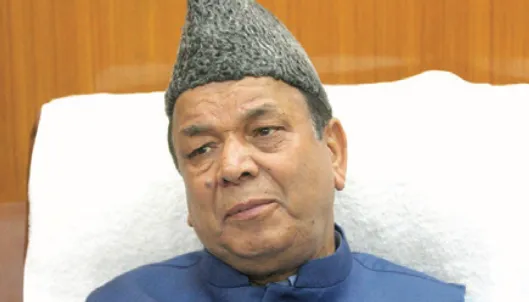
In a significant move addressing digital-era challenges, Jammu and Kashmir Legislative Assembly Speaker Advocate Abdul Rahim Rather called for comprehensive legislation to combat fake news and misinformation spreading across the region. The remarks came during a Short Duration Discussion in the Legislative Assembly on Friday, focusing specifically on strategies to counter false information.
Rather emphasized that the proliferation of misinformation poses substantial threats to public trust and social cohesion within Jammu and Kashmir, a region already navigating complex political and social dynamics. His intervention signals growing concern among officials about information integrity in an increasingly digital media landscape.
“We need a legal framework that effectively addresses these challenges while maintaining a careful balance,” Rather told assembly members. The Speaker advocated for a methodical approach to developing such legislation, suggesting that lawmakers should conduct thorough research into existing models before drafting new rules.
The call for anti-fake news measures comes amid rising concerns throughout India about the impact of misinformation on public discourse. Jammu and Kashmir, with its unique political status and history of conflict, faces particular vulnerabilities when false information spreads through social media channels and messaging platforms.
Rather stressed that any new legislation must be formulated after extensive study of successful approaches implemented in other Indian states and international jurisdictions. This careful consideration, he noted, would help ensure the resulting framework remains effective without compromising democratic principles or legitimate communication.
The Speaker’s emphasis on balancing regulatory measures with democratic values highlights the complex nature of addressing misinformation. Lawmakers face the difficult task of designing rules that can identify and counter false information without creating mechanisms that might potentially restrict press freedom or legitimate political expression.
Media experts note that Jammu and Kashmir represents a particularly challenging environment for information integrity. The region’s strategic importance and ongoing security concerns have historically made it susceptible to targeted misinformation campaigns from various actors.
“Creating a robust mechanism capable of countering fake news while safeguarding democratic values and responsible communication” remains the primary objective, Rather explained. This balanced approach acknowledges the dual imperatives of protecting citizens from harmful misinformation while preserving essential democratic freedoms.
The discussion in the assembly reflects growing recognition among political leaders about the real-world consequences of unchecked digital misinformation. False narratives spreading through social media platforms have been linked to incidents of public unrest, communal tensions, and erosion of trust in institutions across various regions of India.
If implemented, Jammu and Kashmir would join several other Indian states that have introduced or are considering specific measures to counter fake news. The central government has also periodically updated IT rules to address digital misinformation at the national level.
Legislators are expected to begin consultative processes with media organizations, technology companies, legal experts, and civil society representatives as they work to develop the proposed framework. The Speaker’s emphasis on a well-researched approach suggests that any resulting legislation will likely draw from both domestic and international best practices.
Media literacy experts emphasize that legislative measures represent just one aspect of a comprehensive approach to tackling misinformation. Education initiatives, fact-checking partnerships, and improved transparency from digital platforms must complement legal frameworks to effectively address the challenge.
As Jammu and Kashmir considers these new measures, the balance between regulating harmful content and protecting free expression will remain a central consideration for lawmakers navigating this complex digital landscape.
Fact Checker
Verify the accuracy of this article using The Disinformation Commission analysis and real-time sources.

9 Comments
This is an important discussion. Misinformation can have real-world consequences, so I’m curious to see what type of legislation the Jammu and Kashmir government proposes. A thoughtful, evidence-based approach will be key.
Good point. Policymakers should look at best practices from other regions to inform their approach, while still tailoring it to the local context.
Addressing the proliferation of misinformation is a complex challenge that requires a balanced approach. Comprehensive legislation could help, but policymakers must carefully weigh the need to maintain free speech against the risks of false narratives.
Agreed. Any new laws should be thoroughly researched to ensure they are effective yet preserve core democratic principles.
Combating fake news is a growing challenge worldwide. I’m interested to see the specifics of the legislation being proposed in Jammu and Kashmir. Maintaining a balance between free speech and misinformation control will be critical.
Absolutely. Any new laws should be carefully crafted to avoid unintended consequences or overreach. Transparency and public input will be important.
Fake news and misinformation can seriously undermine public trust, so I’m glad to see lawmakers taking this issue seriously. A legal framework to combat it, if done right, could be an important step.
Absolutely. It’s a delicate balance, but getting the right policies in place is crucial in today’s digital landscape.
This is an important issue that deserves serious attention. Fake news and misinformation can have real impacts on communities, so I’m glad to see lawmakers taking steps to address it. A comprehensive, well-researched approach is key.