


Listen to the article
Vaccine Hesitancy Hampers Lagos Measles-Rubella Campaign Amid Misinformation
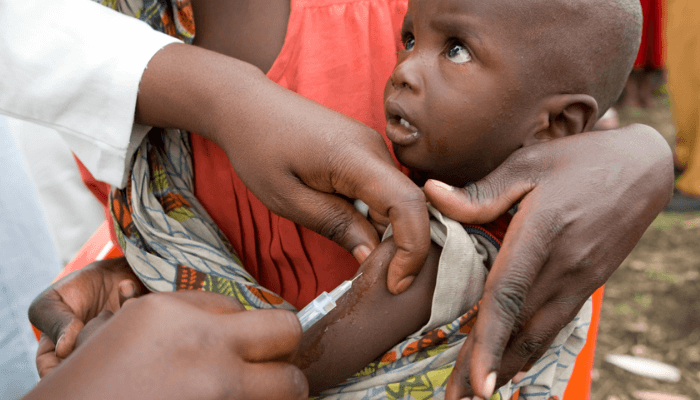
Lagos State’s recent 10-day vaccination campaign against measles and rubella faced significant resistance across multiple communities, revealing deep-seated challenges in public health communication and trust. The initiative, which ran from January 27 to February 5, 2026, targeted children aged 9 months to 14 years as part of broader government efforts to reduce preventable childhood diseases.
Despite the campaign’s critical public health objectives, field reports indicated that vaccinators encountered substantial skepticism and refusal in several neighborhoods, highlighting a growing trend of vaccine hesitancy fueled by misinformation, economic concerns, and government distrust.
Conspiracy theories proved particularly damaging to the campaign’s reception. Many parents cited rumors claiming the vaccination program was part of a covert “population reduction agenda.” Some families expressed fears that children receiving the vaccines might die—claims health officials have categorically dismissed as dangerous falsehoods with no scientific basis.
“Popular among the reasons why some parents refused to receive the vaccine is the ongoing propaganda about population reduction,” explained Ihe Chimezie Samuel, a World Health Organization Local Government Area Facilitator who monitored the exercise across Lagos communities.
Economic hardship appeared to intensify suspicion of government initiatives. Amid Nigeria’s cost-of-living crisis, some parents openly questioned government priorities, asking why authorities would focus on vaccines when families struggle with basic needs like food security.
“We also have the issue of lack of confidence in government, where parents ask questions like, ‘Government no give us food, na vaccine them wan give us?'” Samuel noted, reflecting how public health interventions increasingly compete with immediate economic concerns in citizens’ trust hierarchies.
Misconceptions about vaccination fundamentals also hindered acceptance. Several parents declined vaccines for seemingly healthy children, demonstrating limited understanding that immunization serves as preventive medicine—protecting against diseases before exposure occurs, rather than treating existing conditions.
Cultural attitudes toward free services emerged as another surprising barrier. Health workers reported encountering skepticism precisely because the vaccines were provided at no cost. In a socio-political environment where citizens often distrust government intentions, the very absence of charges triggered suspicion about the vaccines’ value and safety. This perspective stems from the widespread perception that Nigerian political leaders rarely provide genuinely beneficial services to the population without ulterior motives.
Awareness gaps compounded these challenges. Despite publicity efforts through various media channels, some residents reported learning about the vaccination campaign only when health workers arrived in their neighborhoods—too late for building the trust necessary for participation. This highlights critical shortcomings in the timing, reach, and effectiveness of pre-campaign communications.
Past negative experiences with healthcare services further undermined confidence. Some parents cited previous unpleasant encounters with vaccination programs as justification for their current refusal, demonstrating how institutional memory within communities can affect participation in public health initiatives years or even decades later.
Public health experts note that the Lagos experience reflects a broader global trend of vaccine hesitancy that threatens progress against preventable childhood diseases. The World Health Organization has previously identified vaccine hesitancy as one of the top ten threats to global health, with measles outbreaks increasingly occurring in communities with low vaccination rates.
Looking ahead, health officials emphasize the need for more comprehensive engagement strategies. “I think the first thing that should be done is to engage in constant aggressive sensitization of citizens while trying to disabuse their minds of all negative narratives,” Samuel suggested.
The challenges encountered during the campaign underscore a crucial lesson for public health planning: successful vaccination programs require more than just clinical resources. They demand sustained community trust-building, culturally sensitive education, and proactive addressing of misinformation—especially in environments where economic pressures and political skepticism already strain public confidence.
As Lagos health authorities evaluate the campaign’s outcomes, addressing these multifaceted barriers will be essential to achieving the high vaccination coverage needed to protect children from potentially deadly but entirely preventable diseases like measles and rubella.
Fact Checker
Verify the accuracy of this article using The Disinformation Commission analysis and real-time sources.

13 Comments
Conspiracy theories about vaccines are so harmful, especially for vulnerable children. I hope the Lagos government can find ways to effectively dispel the misinformation and convince more parents to get their kids vaccinated.
Agreed. Vaccines save lives, and it’s crucial that people understand the science and safety behind them. Overcoming distrust will take sustained, transparent public health outreach.
Childhood vaccination is critical for preventing serious infectious diseases. I hope the Lagos authorities can address the community’s concerns and dispel the harmful myths that are undermining this measles-rubella campaign.
It’s disheartening to see misinformation and distrust undermining an important public health campaign. I hope the Lagos government can learn from this experience to strengthen future vaccination efforts.
Yes, this is a concerning setback. Hopefully they can identify the root causes of the hesitancy and develop more tailored, culturally-relevant strategies to overcome the barriers.
Troubling to hear about the vaccine hesitancy in Lagos. Misinformation and distrust can be major barriers to public health initiatives. Hopefully the authorities can address concerns and improve communication to increase uptake.
Yes, it’s critical to counter false claims with clear, factual messaging. Building trust in the community will be key to the success of this vaccination campaign.
Vaccine-preventable diseases like measles and rubella can be devastating, especially for young children. I hope the Lagos authorities are able to address the underlying issues and boost vaccination rates in the long run.
Vaccine hesitancy is a complex issue, often rooted in socioeconomic factors and lack of access to accurate information. The Lagos authorities will need a multi-pronged approach to address the challenges here.
Absolutely. Community engagement, education, and building trust will all be essential. I hope they can find effective ways to reach skeptical parents and boost vaccination rates.
Spreading conspiracy theories about vaccines being part of a “population reduction agenda” is extremely irresponsible and dangerous. I hope the Lagos government can effectively counter these false claims with clear, science-based information.
It’s unfortunate that vaccine distrust is hindering this important public health initiative in Lagos. Hopefully the government can find ways to rebuild trust and increase vaccination coverage, especially among vulnerable populations.
Vaccine hesitancy fueled by misinformation is a global challenge. The Lagos authorities will need to invest in robust public health communication and community engagement strategies to overcome the barriers here.