


Listen to the article
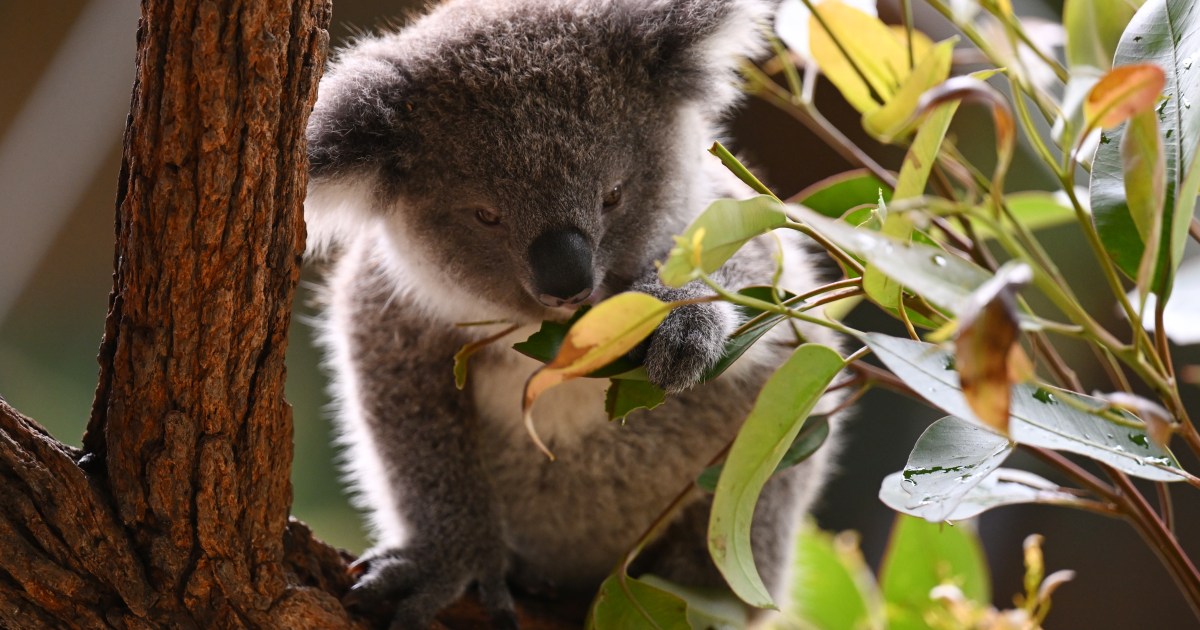
Australia’s koala population could be significantly larger than previously thought, according to new comprehensive survey data that has sparked debate between conservation groups and logging advocates over habitat protection policies.
The New South Wales government’s first statewide comprehensive survey has revealed an estimated 274,000 koalas in the state, including an additional 244,000 previously unaccounted for. This represents a dramatic increase from earlier estimates that placed the state’s koala population between just 15,000 and 30,000.
Conservation experts emphasize that the higher numbers reflect improved detection methods rather than an actual population increase. The survey employed advanced technology, including heat-detecting drones that covered more than 6,500 kilometers in night flights and sophisticated acoustic recorders that analyzed over 400,000 hours of male koala mating calls during breeding season.
“New approaches like scanning with thermal drones and an increased search effort means we’re getting better at finding existing koalas,” explained Tanya Pritchard from World Wildlife Fund Australia. “But make no mistake, koalas have suffered a massive decline.”
The NSW findings align with updated national figures released in November by the CSIRO’s national koala monitoring program, which estimated Australia’s total koala population between 729,000 and 918,000—considerably higher than the 2023 estimate of 287,830 to 628,010.
Despite these higher numbers, conservation groups remain adamant that koalas still face serious threats. Renae Charalambous from Humane World for Animals urged that governments must maintain strong protection measures. “Protecting and connecting high-value habitat will give koalas the space and resilience they need to survive long-term,” she said.
The endangered status of koalas on Australia’s east coast, established in 2022, followed reports of a 57 percent population decline across Queensland, the ACT, and NSW over two decades. In response to these concerns, the NSW government announced plans in September for the Great Koala National Park in the state’s north, fulfilling an election promise.
The proposed park would reserve 176,000 hectares of state forest and connect with existing protected areas to create a 476,000-hectare reserve, aiming to protect more than 12,000 koalas. However, the timing of the population survey release—ten weeks after the park announcement—has drawn criticism from the forestry industry.
State Nationals MP Michael Kemp, whose Oxley electorate includes areas of the proposed park, challenged the scientific basis of the conservation initiative. “Koalas are thriving in managed forests and across regional Australia and it’s time the government stopped letting ideology and emotion dictate environmental policy and started leading with data, science and fact,” Kemp stated.
The forestry sector has been particularly vocal in its opposition. Nearly a quarter of the region’s timber mills have temporarily paused operations due to the moratorium associated with the park plans. James Jooste, Chief Executive of Australian Forest Products Association NSW, questioned the government’s decision-making process: “Why was such critical new data not included in the decision? It should have been central to the park’s environmental assessment.”
The economic impact on regional communities dependent on forestry has emerged as a significant concern, with industry representatives arguing that sustainable forestry practices can coexist with koala conservation.
NSW Environment Minister Penny Sharpe defended the government’s approach, stating that the updated population estimate would inform future conservation strategies while emphasizing that koalas remain endangered. “This work helps ensure we are targeting the right areas so that future generations can continue to see koalas in the wild,” she said.
The debate highlights the ongoing tension between environmental conservation and resource industries in Australia, where policy decisions often must balance ecological imperatives with economic concerns. While the higher population estimates provide some optimism, experts caution that habitat loss, climate change, disease, and vehicle strikes continue to threaten koala populations across the country.
Fact Checker
Verify the accuracy of this article using The Disinformation Commission analysis and real-time sources.

10 Comments
Interesting to see the debate around koala population data accuracy. Improved detection methods seem to be uncovering more koalas, but the overall trend is still concerning. Conservation efforts are crucial to protect these iconic Aussie animals.
Absolutely, the higher counts are good news, but we can’t ignore the worrying decline in koala populations over time. Ongoing habitat protection and restoration will be key to ensuring their long-term survival.
This data highlights the complexity of accurately assessing koala populations. While the higher count is positive, the long-term declining trend is the real issue that policymakers and conservationists must grapple with. Developing sustainable solutions to protect koala habitats will be crucial going forward.
Agreed, the complexity of this challenge requires a nuanced, evidence-based approach. Policymakers will need to carefully weigh the data and diverse stakeholder perspectives to find the right balance between development and conservation efforts to protect koalas in the long run.
The use of advanced technology to survey koala populations is an encouraging development. However, the overall declining trend is a serious concern that needs to be addressed through effective habitat conservation policies. Finding the right balance between development and protecting these iconic Australian animals will be crucial.
This data seems to highlight the challenges in accurately assessing koala populations. While the higher count is encouraging, the overall declining trend is the real concern. Policymakers will need to carefully weigh the evidence to develop the right conservation strategies.
The use of advanced technology like thermal drones and acoustic monitoring to survey koalas is impressive. It’s great that we’re getting better at finding existing koalas, but the concerning population decline remains a serious issue that needs to be addressed.
Agreed, the improved detection methods are a positive development, but the bigger picture shows the urgent need for more effective habitat conservation policies to protect koalas. This is a complex challenge that will require sustained effort.
The debate over koala population data accuracy is an interesting one. On one hand, the improved detection methods are promising, but on the other, the concerning long-term decline in numbers can’t be ignored. Striking the right balance between development and habitat protection will be critical.
You make a good point. Policymakers will need to carefully consider all the evidence and perspectives to find the right approach that protects koalas while also addressing other pressing needs. It’s a delicate balance that requires nuanced decision-making.