


Listen to the article
Influencer’s Critique of TLC Singer Chilli Intensifies Online Controversy
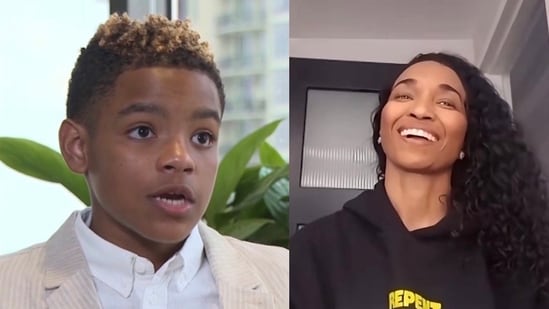
Popular influencer and podcast host Knowa De Baraso has publicly criticized TLC singer Rozonda ‘Chilli’ Thomas amid growing controversy over her alleged sharing of conspiracy theories and political donations. The dispute, which unfolded across social media platforms, has highlighted tensions surrounding celebrity political affiliations and the spread of misinformation.
De Baraso took to Instagram on Saturday with a series of stories condemning what he called “misinformation within the Black community,” directly referencing Thomas’s recent social media activity. The singer has since claimed she shared the controversial content “by mistake.”
The controversy began when Thomas allegedly reposted content promoting a debunked conspiracy theory about former First Lady Michelle Obama. The video falsely claimed Obama was not born female and had previously been registered to vote in Illinois as a male – narratives that have circulated in far-right online communities for years despite being thoroughly disproven.
When confronted about sharing the content, Thomas defended herself by citing technical difficulties. “I’m not very computer-savvy, so I’m looking for this repost button, and I see that all of these buttons are very, very close to each other, and clearly I was scrolling, and my thumb hit the repost button,” the singer explained.
De Baraso’s response was pointed and unambiguous. “Chilli is an example of what I’ve been fighting against for years and years. Misinformation within the Black community,” he wrote in one Instagram story. His criticism extended beyond the repost to include allegations about Thomas’s political donations.
Federal Election Commission records indicate Thomas contributed more than $1,000 to Republican fundraising organizations connected to former President Donald Trump’s 2024 campaign. Specifically, she reportedly donated $340.60 to the Trump National Committee JFC and $210.60 to WinRed, a payment processor for Republican campaign donations.
Thomas addressed these donations in a separate statement, claiming she believed the money would support causes like combating human trafficking and assisting military veterans. “I did not read the fine print,” she wrote, suggesting the political affiliation of the recipients wasn’t clear to her at the time.
De Baraso dismissed these explanations, writing bluntly that “Chilli voted for a scrub” – a reference to TLC’s hit song “No Scrubs.” He further suggested Thomas “probably thinks the Republican Party is the party of Black people. It’s not.”
In subsequent posts, the influencer discussed historical context around political party alignments following the Civil Rights era and highlighted Biden administration initiatives supporting historically Black colleges and universities (HBCUs). De Baraso argued that Thomas likely believes “Democrats don’t care about Black People,” a narrative he characterized as misleading.
“If that were the case, Joe Biden wouldn’t have tried to give $2 billion to Black farmers–an effort that was blocked by the Republican-controlled Supreme Court,” he wrote, referring to funding initiatives proposed under the current administration.
The public disagreement has drawn significant attention within entertainment and political circles alike, coming at a time when celebrity political endorsements and activities are under increasing scrutiny. It also highlights the broader challenge of misinformation spreading through social media, particularly when amplified by public figures with large followings.
The controversy surrounding Thomas is particularly notable given TLC’s historical significance in American popular culture. As one-third of the best-selling American girl group, Thomas has maintained cultural relevance since the group’s rise to fame in the 1990s, making her social media activity and political affiliations matters of public interest.
Neither Thomas nor representatives for TLC have issued further statements regarding De Baraso’s criticisms as the situation continues to develop online.
Fact Checker
Verify the accuracy of this article using The Disinformation Commission analysis and real-time sources.

10 Comments
While technical difficulties may have contributed to the initial sharing, the singer’s subsequent defense of the content is concerning. Celebrities should be more mindful of the impact their social media activity can have.
Agreed. Owning up to mistakes and correcting the record quickly is the responsible thing to do in these situations.
It’s disappointing to see this type of misinformation being spread, even inadvertently. Celebrities have a responsibility to their fans to be more discerning about the content they share.
Agreed. This incident is a reminder that we all need to be more vigilant about the information we consume and share online.
The claim about Michelle Obama’s gender identity being falsely registered is a well-known far-right conspiracy theory that has been thoroughly debunked. It’s disappointing to see this type of misinformation being amplified.
Absolutely. Spreading disinformation, even inadvertently, can have serious consequences. Fact-checking is crucial, especially for public figures.
This incident highlights the need for greater media literacy and critical thinking when it comes to online content, even from trusted sources. Fact-checking should be a routine part of the sharing process.
Absolutely. Verifying information before amplifying it is crucial, especially for public figures with large followings.
This controversy highlights how quickly misinformation can spread, even among celebrities with large platforms. It’s important to be cautious about sharing content without verifying the facts, especially on sensitive political topics.
Agreed. Celebrities have a responsibility to their followers to share accurate information, not contribute to the spread of conspiracy theories.