


Listen to the article
In a significant call for contextually relevant technological innovation, Kenya’s Principal Secretary for Broadcasting and Telecommunications, Stephen Isaboke, has advocated for the development of artificial intelligence systems that authentically reflect African realities, languages, and cultural contexts.
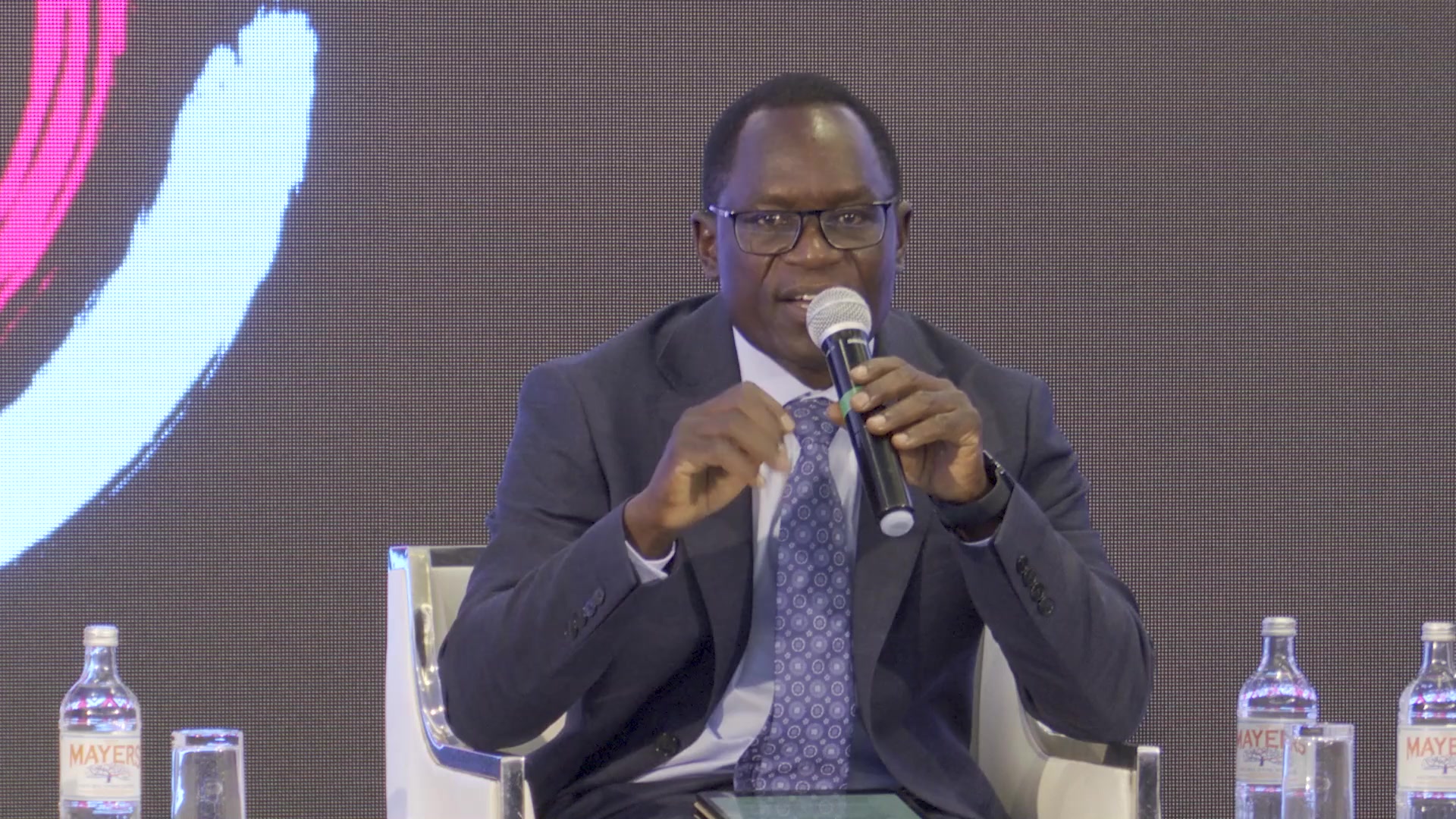
Addressing participants at the TikTok Safer Internet Summit 2026 in Nairobi, Isaboke emphasized that AI technologies should be designed to enhance rather than replace human capabilities across the continent. He highlighted several key sectors poised to benefit from culturally appropriate AI integration, including agriculture, healthcare, education, and the creative economy.
“Artificial intelligence must be developed with African perspectives in mind if it’s to truly serve our communities and address our unique challenges,” Isaboke said during his keynote address. “We need technologies that understand our languages, recognize our cultural nuances, and operate within our social frameworks.”
The Principal Secretary outlined Kenya’s forward-looking approach to AI governance through its National Artificial Intelligence Strategy 2025-2030. The comprehensive framework aims to guide responsible innovation while establishing robust protections for citizens navigating increasingly complex digital spaces.
Kenya’s strategic focus on AI comes at a critical juncture for African nations seeking to harness emerging technologies while avoiding potential pitfalls. The country has positioned itself as a regional technology hub, with Nairobi often referred to as “Silicon Savannah” due to its vibrant tech ecosystem and startup culture.
Industry analysts note that Kenya’s approach reflects a growing awareness across the continent about both the opportunities and challenges presented by artificial intelligence. Dr. Mercy Ndegwa, a technology policy expert based in Nairobi, told reporters that “African nations are increasingly assertive about ensuring new technologies address local priorities rather than simply importing solutions designed for Western markets.”
During his address, Isaboke also issued a direct challenge to technology platforms operating in Africa, urging them to strengthen their efforts against digital misinformation and disinformation through improved AI-powered monitoring tools. This call comes amid growing concern about the role of social media in spreading false information during politically sensitive periods across several African nations.
“Technology companies have a responsibility to ensure their platforms aren’t vectors for harmful content,” Isaboke said. “We expect them to invest in AI systems capable of detecting and limiting the spread of misinformation while respecting freedom of expression.”
The TikTok Safer Internet Summit brought together a diverse coalition of stakeholders, including government policymakers, representatives from major technology companies, content creators, and civil society organizations. Discussions centered on promoting online safety, enhancing digital literacy, and ensuring the responsible implementation of AI technologies throughout Africa.
The summit highlighted TikTok’s increasing influence across African digital spaces and the platform’s efforts to engage constructively with regulatory authorities. The company has faced scrutiny in several markets regarding content moderation practices and data security concerns.
Technology governance experts view the Nairobi summit as part of a broader continental conversation about establishing appropriate frameworks for emerging technologies. Similar dialogues are occurring in South Africa, Nigeria, Ghana, and Rwanda as African nations work to balance innovation with protection of citizens’ rights in the digital age.
Kenya’s National Artificial Intelligence Strategy represents one of the most comprehensive AI governance frameworks on the continent. The strategy addresses ethical considerations, regulatory requirements, and economic opportunities associated with AI technologies while emphasizing the importance of inclusion and accessibility.
As artificial intelligence continues to transform global industries, African stakeholders increasingly insist on having their perspectives represented in both the development and implementation of these powerful technologies.
Fact Checker
Verify the accuracy of this article using The Disinformation Commission analysis and real-time sources.

13 Comments
It’s great to see Kenya taking a proactive approach to developing AI systems that align with African contexts and needs. Culturally-relevant AI could have a transformative impact across key sectors like agriculture, healthcare, and education.
I agree, this is an important step towards ensuring AI benefits local communities rather than just replicating global tech models. It will be interesting to see how Kenya’s National AI Strategy evolves over the coming years.
It’s refreshing to see a government taking such a proactive stance on shaping the development of AI to benefit its citizens. Integrating African perspectives and cultural nuances into the design of these systems could yield remarkable breakthroughs.
Agreed. This initiative could help pave the way for more equitable and inclusive AI innovation, moving beyond the Western-centric models that have dominated the field thus far.
This is a crucial step in ensuring AI development reflects the diverse needs and perspectives of the African continent. Too often, technological innovation is driven by a narrow set of global interests. Kenya’s approach prioritizes local relevance and empowerment.
It’s encouraging to see Kenya taking a proactive stance on shaping the future of AI through a lens of African realities. Culturally-appropriate technologies could yield remarkable breakthroughs in sectors like healthcare, education, and agriculture across the continent.
Agreed. This initiative could serve as an important model for other African nations seeking to harness the power of AI in a way that truly benefits their local communities.
Thoughtful AI governance is essential as these powerful technologies become more pervasive. Kenya’s focus on ensuring AI serves local communities and addresses unique challenges is a welcome approach that other countries should consider emulating.
The call for AI that reflects African languages, cultures, and social frameworks is a crucial one. Too often, technological innovation is driven by Western perspectives that fail to account for local realities. This initiative could serve as a model for other African nations.
Absolutely. Developing AI capabilities that are tailored to African contexts will be key to unlocking the technology’s full potential across the continent. It’s an encouraging step forward.
Kudos to Kenya for recognizing the need to develop AI that truly serves its people. Contextually-relevant technologies that understand local languages, cultures, and social structures could be transformative across key sectors. It’s an exciting and important initiative.
Absolutely. If successful, this could serve as a model for other African nations seeking to harness the power of AI in a way that benefits their unique communities and challenges.
The call for AI that aligns with African realities is an important one. Too often, technological advancement leaves marginalized communities behind. Kenya’s approach seems aimed at ensuring AI empowers rather than replaces human capabilities across the continent.