


Listen to the article
In a significant move to combat the rising tide of digital misinformation, the Karnataka government has approved a sophisticated AI-powered monitoring system designed to track and analyze content across social media and digital platforms. The initiative comes as the state’s Hate Speech and Hate Crimes (Prevention) Bill, 2025 awaits implementation.
On February 5, the state Cabinet gave its approval for the Social Media Analytics Solution, a comprehensive system with a budget allocation of Rs 67.26 crore. The technology aims to detect malicious content in real-time and support administrative decision-making in an increasingly complex digital landscape.
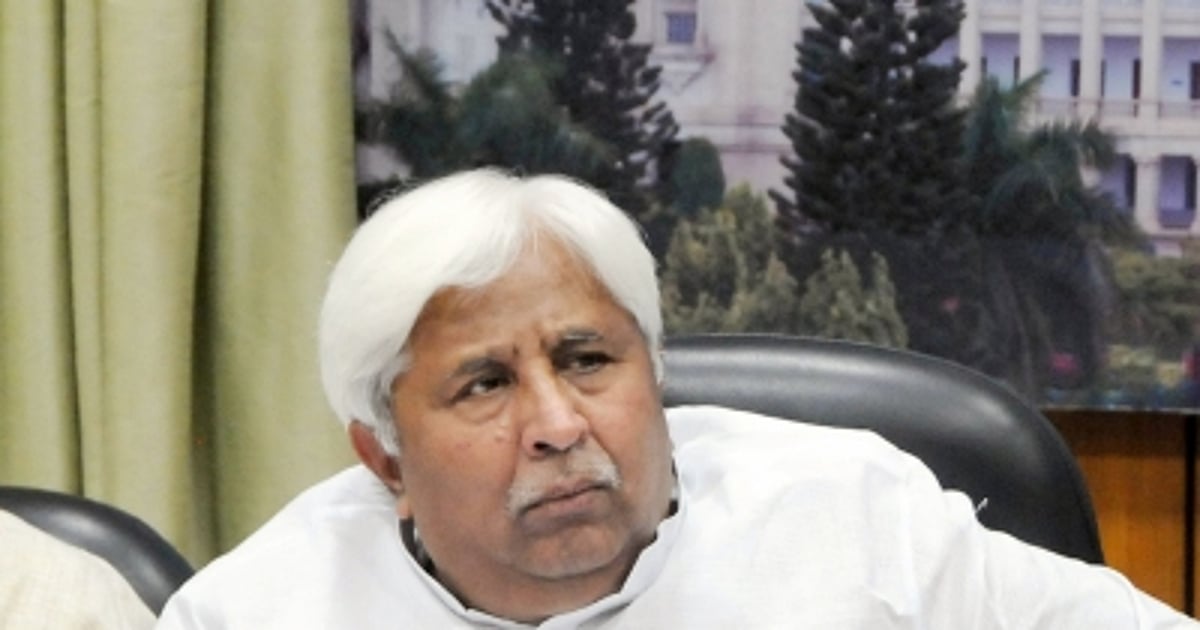
“This is not only for fact-checking, but also to identify manipulation on social media platforms and digital media platforms,” explained Law and Parliamentary Affairs Minister HK Patil. “Right now, the AI software will be deployed to assess. Law will come later and action will be initiated.”
The system represents Karnataka’s proactive approach to addressing digital threats that have proliferated across India in recent years. Officials emphasize that the technology will enable authorities to identify and respond to various forms of digital misconduct, including hate speech, fake news, and coordinated misinformation campaigns.
According to Patil, the software will analyze how information with criminal intent is manipulated and disseminated. “Especially in cases related to child trafficking, terror attacks, hate speech and fake news, eventually alerting authorities to act,” he noted. The government plans to initially use existing legal frameworks to address violations, with specialized legislation potentially following later.
In a move that may reassure established media organizations, the government clarified that recognized news outlets will be exempt from this monitoring. However, Patil issued a clear warning that “fake media banners and houses will not be spared,” suggesting a targeted approach toward unofficial or unregistered content creators.
The Cabinet note reveals technical details about the system’s architecture and capabilities. The software will comply with data sovereignty and localization requirements—a growing concern in India’s digital governance framework. Its cloud architecture will adhere to guidelines set by the Ministry of Electronics and Information Technology (MeitY), ensuring alignment with national digital standards.
The Department of Information Technology and Biotechnology has emphasized the urgency of this project, particularly as India approaches Lok Sabha elections. The department has designated the Information Disorder Tackling Unit (IDTU) as a critical component in controlling misinformation during this politically sensitive period.
What sets this system apart from conventional content monitoring tools is its sophisticated technological foundation. It will utilize a proprietary, dynamic algorithm with continuously updated AI and machine-learning components. This design allows the system to evolve alongside changing misinformation tactics, addressing concerns that bad actors might otherwise find ways to circumvent static monitoring systems.
The technology promises several advanced capabilities, including real-time alert generation, geo-specific threat mapping, and detection of complex digital risks. It is specifically designed to identify hate speech, deepfakes, bot networks, multilingual narratives, and subject-based manipulation—all growing concerns in India’s diverse linguistic and cultural landscape.
As digital platforms continue to play an increasingly significant role in shaping public discourse, Karnataka’s initiative represents one of the most comprehensive state-level responses to digital misinformation in India. The effectiveness of this approach and its implications for free speech will likely be closely watched by other states considering similar measures.
Fact Checker
Verify the accuracy of this article using The Disinformation Commission analysis and real-time sources.

10 Comments
It’s good to see Karnataka taking proactive steps to address digital misinformation, but the use of AI raises important questions about transparency, accountability, and potential for abuse. Careful oversight will be crucial.
Tracking online misinformation and hate speech with AI is a complex challenge. I’m curious to learn more about the technical details and safeguards Karnataka plans to implement to ensure their system is accurate and fair.
Interesting to see Karnataka deploying AI tools to track online misinformation and hate speech. Curious to see how effective it will be in practice and what safeguards will be in place to prevent abuse.
The rise of digital misinformation is a serious concern, so I’m glad to see Karnataka taking proactive steps to address it. AI-powered monitoring could be a useful tool, but it will be important to ensure transparency and accountability.
The Karnataka government’s plan to use AI for tracking online misinformation is a timely response to a growing problem. Curious to see how they will balance the need for public safety with individual rights and freedoms.
Misinformation and hate speech online can have real-world consequences, so I’m glad to see Karnataka taking this issue seriously. Deploying AI-based monitoring is a bold move, but success will depend on careful implementation.
Using AI to combat digital threats like hate speech and fake news is an interesting approach. I hope Karnataka’s system will be effective, but they’ll need to be vigilant about privacy and civil liberties concerns.
I’m curious to learn more about the technical details of Karnataka’s AI tool for monitoring social media. What kind of algorithms and data sources will it use? And how will they ensure the system is accurate and unbiased?
Deploying AI to monitor social media for hate speech and fake news is a bold move by Karnataka. I hope they can develop a system that is effective yet respects individual privacy and free expression.
Tracking hate speech and fake news online is a complex challenge. I wonder how this AI system will handle nuance and context, which can be crucial in identifying harmful content. Rigorous testing and oversight will be key.