


Listen to the article
Kenyan ICT Minister Urges TikTok to Combat Election Misinformation
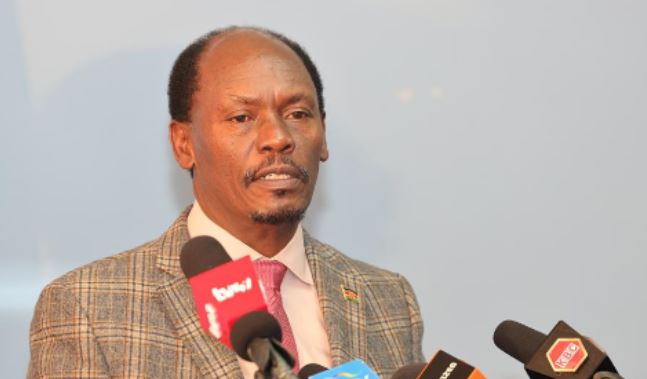
Cabinet Secretary William Kabogo has called on social media giant TikTok to provide concrete assurances about its strategy to combat misinformation ahead of Kenya’s 2027 general elections. The call came during the TikTok Safer Internet Summit 2026 currently underway in Nairobi.
Kabogo, who heads the Ministry of Information, Communications and the Digital Economy, met with TikTok leadership on Monday to discuss how the platform can ensure Kenya’s digital space remains “safe, trusted and responsible.”
“With over 17 million users in Kenya, TikTok is a key pillar of our Creative Economy. While we welcome innovation, digital safety is a shared responsibility,” Kabogo said in a statement posted to his social media accounts following the summit.
The discussions highlighted growing concerns about social media’s influence on democratic processes in Africa’s technology hub. Kenya has experienced social media-fueled misinformation during previous election cycles, raising stakes for platforms operating in the country.
Kabogo specifically pressed TikTok representatives about their technical capabilities to detect false information and prevent coordinated campaigns designed to undermine Kenya’s electoral integrity. “I sought clear assurances on TikTok’s tools to detect misinformation and prevent coordinated disinformation campaigns,” he noted.
The minister also emphasized the need for stronger content moderation and age verification systems to shield children and vulnerable groups from harmful content. These concerns reflect broader regional challenges as social media platforms continue rapid growth across Africa without corresponding increases in safeguards.
Kenya’s push for greater platform accountability comes amid global scrutiny of social media companies’ roles in elections. Unlike some countries that have banned platforms outright, Kenya is seeking collaborative solutions while maintaining its position as East Africa’s technology leader.
Kabogo challenged TikTok to establish a more substantial operational presence in Kenya to better serve African users. A local office would enable improved moderation in indigenous languages and faster response to regional concerns, according to the minister.
“I’ve challenged TikTok to establish a stronger operational presence in Kenya to support African operations and invest in moderation for local languages,” Kabogo said. This request reflects frustration among African policymakers about global platforms operating with minimal physical presence despite large user bases on the continent.
Digital policy experts note that Kenya’s approach balances embracing innovation while attempting to mitigate potential harms. The country’s Data Protection Act, passed in 2019, provides a framework for such regulation, though implementation challenges remain.
TikTok has emerged as a particularly influential platform in Kenya’s digital landscape, especially among younger users. Its short-form video format has proven effective at rapidly spreading both information and misinformation, making content moderation particularly challenging.
The platform has faced criticism in several African countries for content that sometimes conflicts with local cultural values or spreads unverified claims during sensitive political periods. TikTok has previously stated its commitment to responsible operation in all markets, though specifics about its content moderation resources for African languages remain unclear.
The ongoing summit brings together policymakers, civil society representatives, and platform officials to develop collaborative approaches to internet safety. Discussions are expected to cover topics ranging from election integrity to digital literacy and child protection.
“Together, we are building a digital future anchored in innovation, trust, and safety,” Kabogo concluded, signaling Kenya’s commitment to working with platforms rather than against them while still demanding greater accountability.
The outcome of these discussions could establish precedents for platform regulation across East Africa as countries throughout the region prepare for their own electoral cycles in the coming years.
Fact Checker
Verify the accuracy of this article using The Disinformation Commission analysis and real-time sources.

9 Comments
Misinformation is a global challenge, but platforms like TikTok have a duty to address it, especially in countries like Kenya where it can impact democratic processes.
Couldn’t agree more. TikTok must outline clear, transparent policies to combat election-related falsehoods in Kenya and other markets.
This is an important conversation, and I’m glad to see the Kenyan government engaging directly with TikTok on this issue. Maintaining digital integrity during elections should be a top priority for all social media platforms.
This is an important issue that TikTok needs to address. Misinformation on social media can have serious consequences during elections. I’m curious to hear more about the specific safeguards TikTok plans to implement in Kenya.
Responsible social media governance is crucial for protecting the democratic process. I hope TikTok takes Kabogo’s concerns seriously and outlines a clear plan to combat election-related misinformation in Kenya.
Agreed. Transparent collaboration between social platforms and government is key to maintaining digital integrity during elections.
With 17 million users, TikTok has a significant footprint in Kenya. Prioritizing election integrity on the platform should be a top priority for the company.
Absolutely. TikTok must take proactive steps to prevent the spread of false information that could undermine the democratic process.
It’s good to see the Kenyan government taking a firm stance on this issue. Social media platforms have a responsibility to protect the integrity of elections in their markets.