


Listen to the article
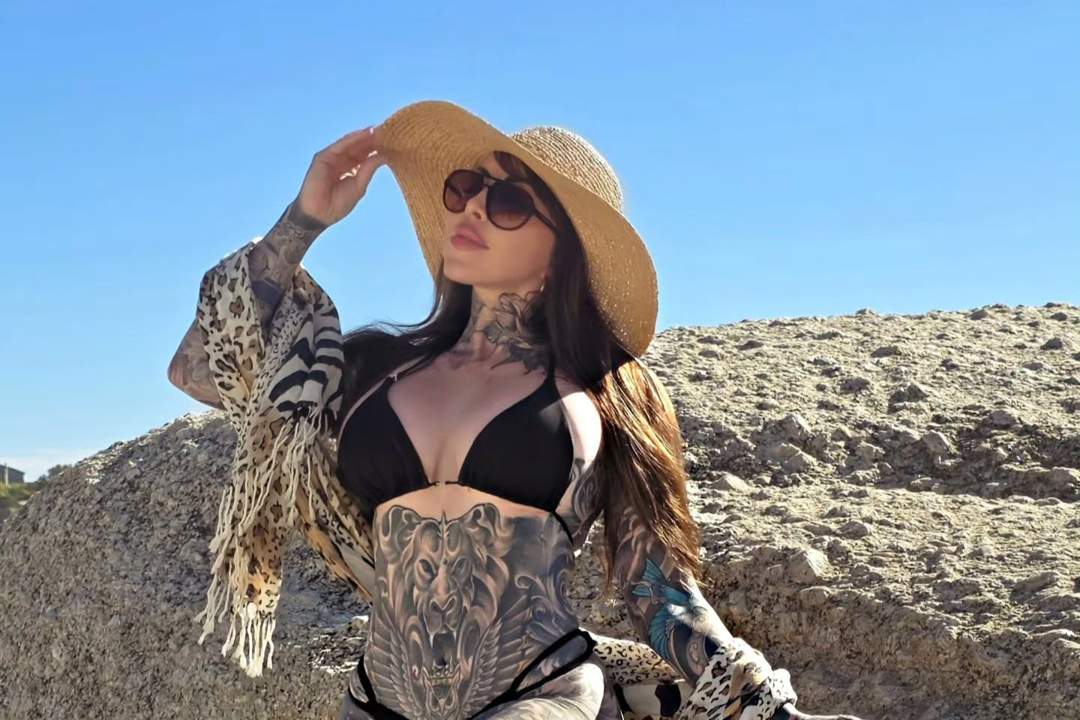
Reality TV star Jojo Robinson has taken a firm stance against misinformation surrounding her recent skin cancer diagnosis, clarifying that her condition is hereditary and unrelated to her tattoos.
The “Real Housewives of Durban” (RHOD) personality revealed her diagnosis several weeks ago in Instagram Stories that have since been removed. “I found out a few weeks ago that I have skin cancer,” Robinson stated, according to reports from IOL News.
Daily Sun reported that Robinson promised to “set the record straight” about her diagnosis to combat spreading misinformation. She specifically addressed speculation about a potential link between her tattoos and cancer, stating clearly that her condition is hereditary and runs in her family.
Skin cancer remains one of the most common forms of cancer globally, with overexposure to the sun’s harmful rays being a primary cause alongside genetic factors. Medical experts consistently emphasize the importance of proper sun protection to reduce risk.
Dermatologists recommend regular application of broad-spectrum sunscreens that protect against both Ultraviolet A (UVA) and Ultraviolet B (UVB) rays. According to Dermalogica’s strategic communications manager Sonette Donker, proper application requires “a quarter of a cup of sunscreen for one body application and a teaspoon for the face and neck,” with reapplication necessary every two hours during extended sun exposure.
While individuals with darker skin tones may have additional natural protection against UV damage, the common belief that they don’t need sunscreen is medically inaccurate. As Donker explains, “Lighter and darker skins have the same amount of cells producing melanin, but the membranes containing melanin are far larger in darker skins compared to lighter skins,” providing some additional protection but not complete immunity.
Healthcare professionals identify three primary types of skin cancer. Basal Cell Carcinoma forms in the top layer of skin and typically affects people over 40, though younger individuals aren’t immune. Squamous Cell Carcinoma has a 95% cure rate if detected early. Malignant Melanoma, though accounting for only about 1% of cancer deaths, has an increasing growth rate with South Africa reporting one of the highest incidence rates globally.
The Cancer Association of South Africa (CANSA) advises vigilance regarding changing moles or skin marks. Warning signs include asymmetry (when one half looks different from the other), poorly defined borders, color variations, diameter larger than six millimeters, or any changes in shape, color, or border over time.
Nutritionists point to certain foods with antioxidant properties that may help fight cancer, including red and orange fruits, vegetables, leafy greens, dark chocolate, and adequate water intake. These foods can help protect skin from sun damage and free radicals.
Hussein Kalla, research and development director at Amka Products, notes that sun exposure affects all skin types, though effects may not be immediately visible in darker skin. “The visible effect of sun exposure is the actual darkening of the skin tone and/or the production of dark marks. The non-visible effects are premature skin ageing, which can manifest in the form of sagging skin, wrinkles and severe cases of skin cancer.”
Robinson, who joined RHOD with the intention of inspiring abuse victims, has used her platform to address various personal issues. Her transparency regarding her cancer diagnosis adds to ongoing public health conversations about skin cancer awareness, early detection, and prevention strategies.
As skin cancer rates continue to rise globally, medical professionals emphasize that regular skin checks, proper sun protection, and awareness of family history remain crucial preventative measures for individuals of all skin tones and backgrounds.
Fact Checker
Verify the accuracy of this article using The Disinformation Commission analysis and real-time sources.

11 Comments
I’m glad Jojo is taking the time to address misinformation about her skin cancer diagnosis. Highlighting the hereditary nature of her condition and the importance of sun protection is crucial. Dermatologists’ expertise should guide the conversation.
Jojo is handling this situation responsibly by clarifying the facts about her skin cancer diagnosis. Hereditary factors and UV exposure, not tattoos, are the main culprits. Spreading accurate medical information is so important.
Agreed. Jojo is using her platform to combat harmful myths and educate people. Skin cancer prevention requires understanding the real risk factors, not spreading unfounded speculation.
Skin cancer is a serious issue, so I’m glad Jojo is setting the record straight about the facts. Hereditary factors and UV exposure are the main drivers, not tattoos. Educating the public on prevention is so important.
You’re right, debunking misinformation is key. Jojo is doing a service by highlighting the medical realities around her diagnosis. Spreading awareness of risk factors and sun protection is crucial.
It’s commendable that Jojo is taking a stand against the misinformation surrounding her skin cancer diagnosis. Emphasizing the hereditary nature of her condition and the importance of sun protection is crucial. Dermatologists’ guidance is vital in this discussion.
It’s good to see public figures like Jojo Robinson addressing misinformation about skin cancer. Hereditary factors play a big role, and sun protection is so important to reduce risk. Medical facts from dermatologists are crucial here.
Absolutely. Raising awareness and providing accurate information can help combat harmful myths about skin cancer. Kudos to Jojo for speaking up.
It’s refreshing to see a public figure like Jojo take a stand against misinformation around her skin cancer diagnosis. Highlighting the role of genetics and sun exposure is important to counter myths. Dermatologists’ expertise is vital here.
Kudos to Jojo for refuting the skin cancer misinformation and clarifying the medical facts. Heredity and UV exposure, not tattoos, are the key drivers. Spreading awareness of prevention methods like sunscreen is so valuable.
Absolutely. Jojo is doing a great service by using her platform to educate people on the realities of skin cancer. Fact-based information from medical experts is essential to counter harmful myths.