


Listen to the article
Jamaica’s tourism sector is actively combating AI-generated misinformation while pursuing new markets following Hurricane Melissa, according to Tourism Minister Edmund Bartlett.
In an interview with the Jamaica Observer, Bartlett revealed that false narratives and fabricated images of storm damage—including deepfake videos and AI-generated “aftermath” photos—have circulated widely since the October 28, 2025 hurricane, negatively impacting the island’s reputation and reducing bookings.
“Destinations are now at risk of their reputation being tarnished by misinformation and disinformation,” Bartlett said. “When there is a disruption like a weather event such as Melissa, it offers a new opportunity for this kind of reputational assault, forcing us to spend more on information management, perception management, and public relations.”
For the current 2025/26 financial year, the ministry has allocated $4.5 billion for marketing, alongside dedicated support of $270 million for airlift and $163.5 million for cruise shipping. Budget projections indicate marketing spending could increase to $4.8 billion for the 2026/27 fiscal year, with an additional $457 million earmarked for airline and cruise support.
Despite these challenges, Bartlett stated the ministry would not seek significant budget increases, considering the current allocation adequate given that only about 70 percent of the island’s hotel room inventory is available.
A key challenge has been maintaining airline confidence amid false perceptions about Jamaica’s readiness. “You have to incentivize partners because bookings become a challenge. You have to tell them to appreciate that even if the flight is not full, don’t discontinue the route,” Bartlett explained.
He emphasized that current incentives focus solely on marketing partnerships and seat support, explicitly ruling out direct revenue guarantees, which he considers unnecessary for “one of the most connected destinations in the region.”
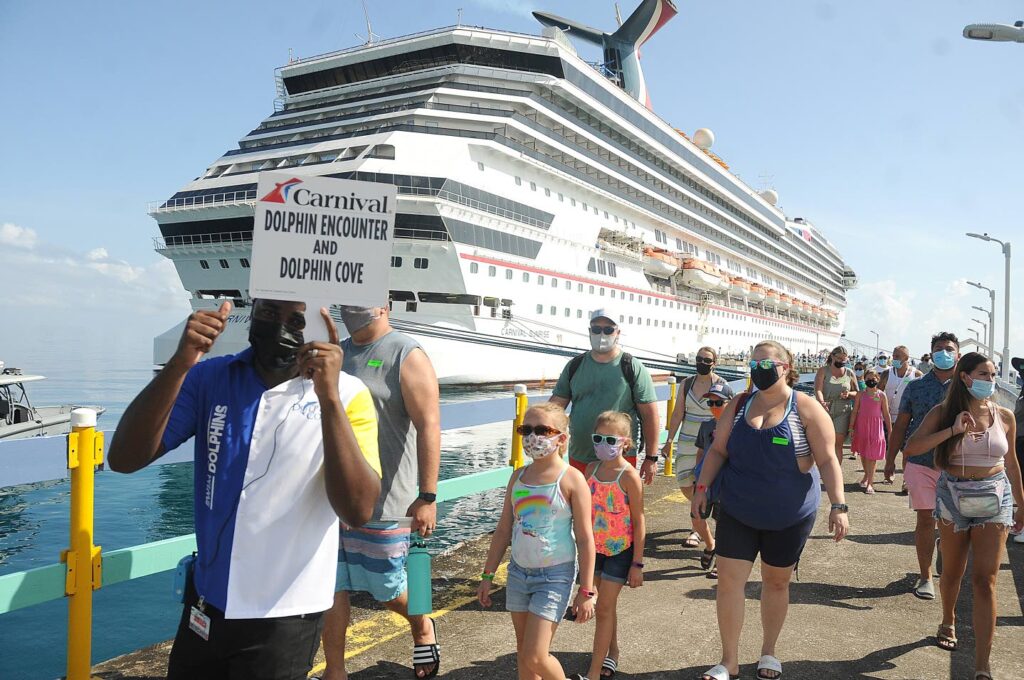
The strategy appears to be working. In the first two weeks of the current winter tourist season, Jamaica welcomed 45,000 stopover visitors and 65,000 cruise passengers, helping the country achieve 94 percent of its target arrivals for 2025.
Looking beyond the immediate recovery, Bartlett identified market diversification as a cornerstone of the ministry’s strategy. “We have to look at new markets, which represent an investment for us,” he stated. “We will be looking at India, and we will be spending a lot more energy on South America.”
South America—particularly Brazil and Argentina—has shown promising growth, with approximately 31,000 tourists arriving in 2025, a 77 percent increase from the previous year. Visa facilitation talks and direct flight discussions are underway to capitalize on this momentum.
The India initiative specifically targets Delhi, Mumbai, and Chennai. Bartlett cited Emirates as a vital potential partner for connectivity via Dubai, alongside ongoing talks with Air India and leveraging existing European and North American carriers.
When asked about timing for the Indian market opening, Bartlett was cautious. “Because this is the first initiative we’re making in the Indian market, we have to assess and determine what the take-up is likely to be,” he explained, noting potential routes through Dubai or London.
Bartlett credited major private sector brands like Sandals and Iberostar as significant market drivers whose advertising complements the ministry’s efforts. “I feel very blessed with the level of collaboration. The tourism family has been very united,” he said, highlighting the recovery task forces established during the pandemic.
The minister declined to provide full-year arrival projections, as final figures depend on reopening dates for hurricane-damaged hotels. He is meeting with key partners, including Hyatt and Royalton, through early February to finalize timelines.
“I expect Princess will return the first week of February, and Sandals by March or April,” Bartlett noted. The most significant delays affect seven Hyatt properties—including Secrets, Hyatt Ziva, and Dreams—which sustained severe damage after being in the hurricane’s eye wall.
The coordinated recovery effort will also inform a review of the Tourism Act, scheduled for Parliament in the new legislative year. This review aims to address the growing role of villas and Airbnb accommodations, which now comprise over 15 percent of Jamaica’s accommodation stock, by establishing clearer regulations and tax structures for the rapidly expanding short-term rental subsector.
Fact Checker
Verify the accuracy of this article using The Disinformation Commission analysis and real-time sources.

8 Comments
Deepfakes and AI-generated misinformation pose a real threat to destinations’ reputations. Jamaica’s proactive approach to tackling this issue is admirable.
Agreed. Investing in robust information and public relations strategies is essential for tourism-reliant economies to mitigate the impact of such digital threats.
Interesting to see Jamaica tackling AI-fueled misinformation about hurricane damage. Proactive reputation management and targeted marketing spending will be crucial for rebuilding tourism.
The challenge of combating AI-generated ‘fake news’ is a growing concern for many destinations. Jamaica’s approach of investing in information and perception management seems prudent.
I agree. Deploying resources to counter misinformation and rebuild the island’s reputation is a smart move by Jamaica’s tourism ministry.
The allocation of significant marketing, airlift and cruise budgets indicates Jamaica’s strong commitment to reviving its vital tourism industry post-Hurricane Melissa.
Curious to see if the increased marketing spending and focus on perception management yields tangible results in terms of visitor numbers and revenue for Jamaica.
Partnerships with India and South America could open up new tourism markets for Jamaica, diversifying its visitor base beyond traditional North American and European sources.