


Listen to the article
In a troubling development of digital misinformation, two videos falsely claiming to depict circumstances around the death of Ali Larijani, secretary of Iran’s Supreme National Security Council, have been circulating widely on social media platforms.
Larijani was killed in Israeli airstrikes on March 17, an incident that has further heightened tensions in the already volatile Middle East region. However, an investigation by fact-checkers reveals that viral content purportedly showing both the moment of his death and his mother’s farewell are fabricated or misrepresented.
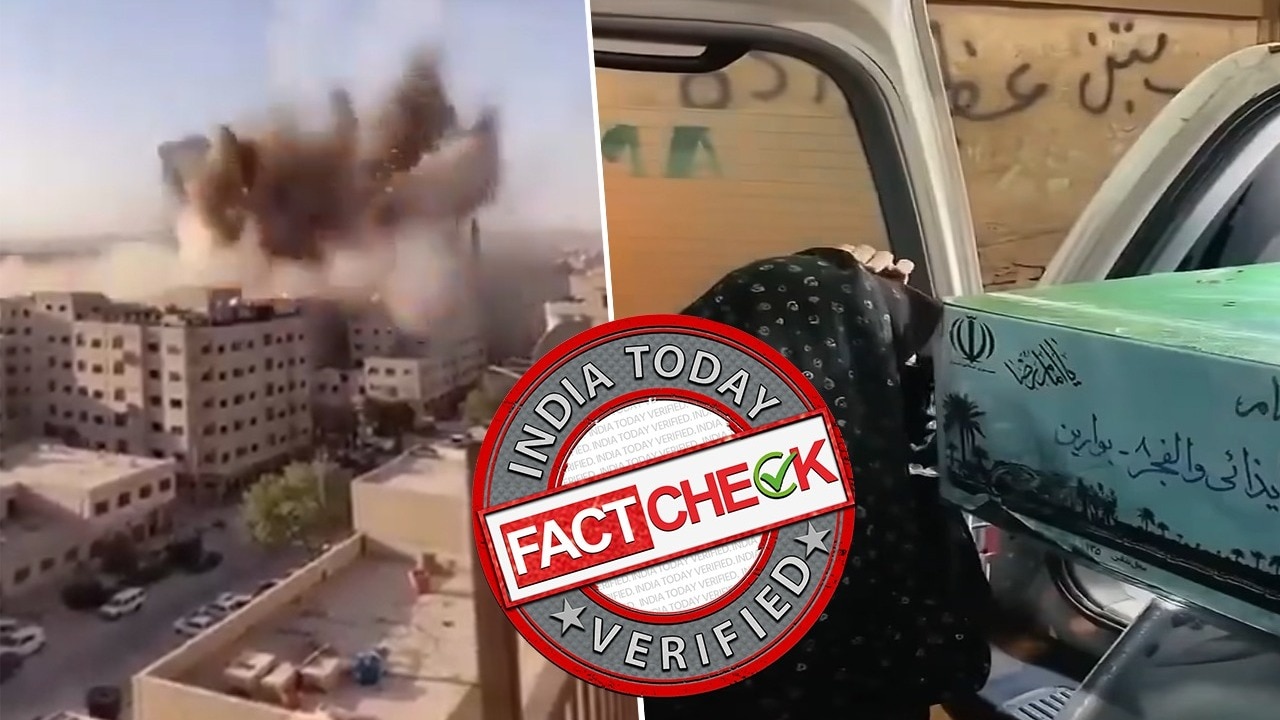
The first video, which claims to show the explosion that killed Larijani at his daughter’s home, began circulating on X (formerly Twitter) with an inflammatory caption referencing “hatred and disregard for human life” by what the poster called the “Occupation Army.” The post specifically mentioned the controversial Israeli military doctrine known as the “Hannibal Directive.”
Digital forensic analysis of the video, however, revealed multiple inconsistencies. The footage was already online by March 9, more than a week before Larijani’s confirmed death on March 17. Furthermore, close examination showed telltale signs of artificial creation, including unnatural smoke behavior and missing impact trajectories for the explosions depicted.
When subjected to AI detection tools, the video registered as 99.9 percent artificially generated, confirming suspicions that it was created using generative technology rather than capturing an actual event. The account that originally shared the footage appears to regularly post AI-generated content and gaming videos with pro-Iranian narratives.
The second misleading video shows an elderly woman paying respects to a body in a coffin, claimed to be Larijani’s mother bidding farewell to her son. This footage was traced back to social media posts from November 2025, months before Larijani’s death, definitively proving it has no connection to the Iranian official.
Iranian state media ISNA published official photographs of Larijani’s actual funeral, showing a coffin with markedly different features from the one in the viral video. The authentic reports indicate the older footage likely depicts a completely unrelated funeral, possibly of a soldier described as a “martyr of the Sacred Defence.”
This incident highlights the growing challenge of synthetic media in conflict reporting. As tensions between Iran and Israel continue to escalate following a series of retaliatory strikes and counter-strikes in recent months, the information environment has become increasingly polluted with misleading content.
Experts in digital media literacy warn that AI-generated content is becoming more sophisticated and harder to detect without specialized tools. The rapid spread of these fabricated videos across multiple platforms demonstrates how easily misinformation can gain traction during geopolitical crises, potentially inflaming tensions and complicating diplomatic efforts.
The death of Larijani, a prominent figure in Iran’s political and security establishment, represents a significant escalation in the ongoing shadow war between Iran and Israel. As international mediators attempt to prevent further deterioration of the situation, the proliferation of fake content threatens to undermine accurate reporting and public understanding of events.
Social media platforms continue to grapple with effective policies to flag or remove such content, particularly when it involves rapidly developing international incidents. This case underscores the importance of verification and the role of professional fact-checking organizations in countering digital misinformation during times of international conflict.
Fact Checker
Verify the accuracy of this article using The Disinformation Commission analysis and real-time sources.

10 Comments
It’s troubling to see how quickly misinformation can spread, even around such a serious event as the death of an Iranian official. The fact-checking process is essential to counter these kinds of false claims.
Yes, the ability to identify AI-generated content and unrelated footage is crucial. Maintaining trust in information sources is vital, especially on sensitive geopolitical issues.
The debunking of these videos is a good example of the importance of verifying information, especially when it comes to high-stakes political events. Fact-checking and digital forensics are essential tools in the fight against misinformation.
Agreed. It’s concerning how quickly false narratives can spread online, and the potential for real-world harm. Rigorous verification processes are crucial to maintaining integrity in reporting.
This is a good reminder of the need for careful analysis and fact-checking when it comes to online content, particularly around contentious geopolitical incidents. Fabricated or misrepresented videos can have serious consequences.
Absolutely. Digital forensics play a vital role in debunking misinformation and maintaining integrity in reporting. It’s concerning how quickly false narratives can take hold on social media.
This is a sobering reminder of the need for caution and critical analysis when it comes to online content, particularly around sensitive topics like geopolitics and national security. The fact-checking process is vital in exposing misinformation.
Absolutely. The ability to identify AI-generated and unrelated footage is a key skill in the fight against digital misinformation. Maintaining trust in information sources is critical, especially on high-stakes issues.
Interesting that these videos were debunked as fake or unrelated. It’s concerning how quickly misinformation can spread on social media these days. I’m glad the fact-checkers were able to identify the inconsistencies and inaccuracies.
Yes, it’s important to be cautious about videos and claims circulating online, especially around sensitive political events. Rigorous verification is crucial to prevent the further spread of false information.