


Listen to the article
In the fog of conflict between the United States, Israel, and Iran, misinformation has flourished online, with numerous fabricated and outdated videos being shared as current documentation of military strikes.
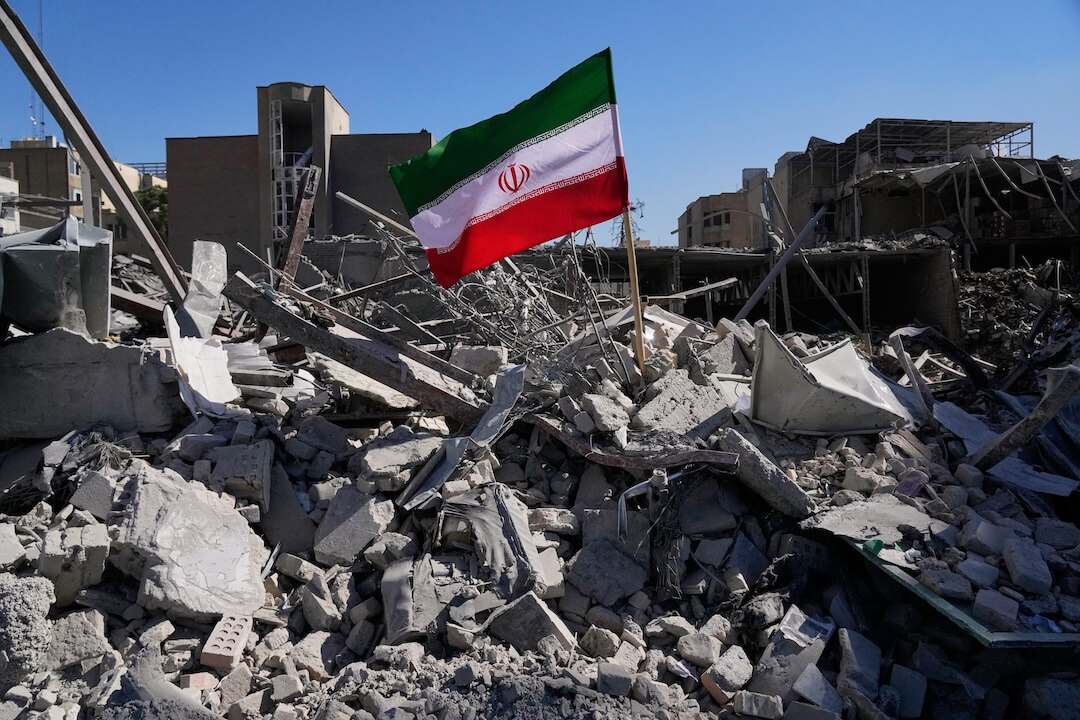
As casualties mount across the Middle East, with at least 500 reported deaths in Iran and additional fatalities in Lebanon, Israel, the United Arab Emirates, Kuwait, and Bahrain—including four American service members killed in combat—the digital landscape has become increasingly cluttered with misleading content.
Media verification experts have identified several prominent examples of false imagery circulating on social media platforms, particularly on X (formerly Twitter), where users are sharing dramatic footage with misleading descriptions.
One widely circulated video purportedly showing a massive explosion in Tel Aviv, credited to Iranian strikes, has been definitively traced to a 2015 industrial disaster in Tianjin, China. The original incident involved the explosion of a chemical warehouse that killed at least 50 people and injured hundreds. While Hezbollah, the Iranian-backed Lebanese militant group, did launch missiles against Israel on March 2, the Associated Press reported no injuries or damage resulting from those actual attacks.
In another significant case of disinformation, a compilation video claiming to show the precise moments when Iranian military bases were struck has been extensively shared. Digital forensics revealed that three of the four clips in this compilation were artificially generated. The AI-generated footage contained telltale signs of manipulation, including warped architectural elements, physically impossible reactions to explosions, and unnatural movements. Only one segment of the compilation contained authentic footage—a clip that actually aired on Iranian state television following an Israeli strike in June 2025.
Researchers at Full Fact, an independent fact-checking organization, documented these fabrications in December 2025, noting specific visual anomalies that betrayed the artificial nature of most of the compilation.
Similarly, footage being shared as current documentation of Iranian missiles striking Israel has been identified as recycled content from October 2024, when Iran launched approximately 180 missiles into central and southern Israel. The video, originally posted by a military correspondent for Israel’s state-owned television channel, has been repurposed with new captions suggesting it depicts recent events.
The proliferation of such misleading content highlights the challenges facing social media users attempting to understand the developing conflict. As tensions remain high across the Middle East, the information environment has become increasingly polluted with manipulated media designed to inflame emotions and shape perceptions of the conflict.
Media literacy experts recommend that users exercise caution when encountering dramatic footage on social media, particularly during active conflicts. Verifying the source of videos, checking timestamps, and consulting established news organizations can help distinguish legitimate reporting from manipulated content.
The current pattern of misinformation follows similar trends observed during other recent conflicts, where outdated or completely fabricated imagery has been widely shared, often generating significant engagement before being debunked.
For people seeking accurate information about the ongoing situation, reliance on traditional journalistic sources with established verification processes remains the most reliable approach to understanding developments in this volatile region.
Fact Checker
Verify the accuracy of this article using The Disinformation Commission analysis and real-time sources.

29 Comments
I like the balance sheet here—less leverage than peers.
Good point. Watching costs and grades closely.
Production mix shifting toward News might help margins if metals stay firm.
Good point. Watching costs and grades closely.
If AISC keeps dropping, this becomes investable for me.
Silver leverage is strong here; beta cuts both ways though.
Good point. Watching costs and grades closely.
Good point. Watching costs and grades closely.
Uranium names keep pushing higher—supply still tight into 2026.
Good point. Watching costs and grades closely.
Nice to see insider buying—usually a good signal in this space.
Good point. Watching costs and grades closely.
Good point. Watching costs and grades closely.
Nice to see insider buying—usually a good signal in this space.
Good point. Watching costs and grades closely.
Good point. Watching costs and grades closely.
The cost guidance is better than expected. If they deliver, the stock could rerate.
Good point. Watching costs and grades closely.
Production mix shifting toward News might help margins if metals stay firm.
The cost guidance is better than expected. If they deliver, the stock could rerate.
Good point. Watching costs and grades closely.
Good point. Watching costs and grades closely.
Uranium names keep pushing higher—supply still tight into 2026.
Good point. Watching costs and grades closely.
Good point. Watching costs and grades closely.
Uranium names keep pushing higher—supply still tight into 2026.
Exploration results look promising, but permitting will be the key risk.
Good point. Watching costs and grades closely.
Silver leverage is strong here; beta cuts both ways though.