


Listen to the article
Nigeria’s Electoral Commission Chief Warns Media Against Misinformation Ahead of 2027 Elections
The Chairman of Nigeria’s Independent National Electoral Commission (INEC), Joash Amupitan, has issued a stern warning to broadcast media organizations against spreading misinformation, emphasizing that responsible reporting will be crucial to the credibility of the upcoming 2027 general elections.
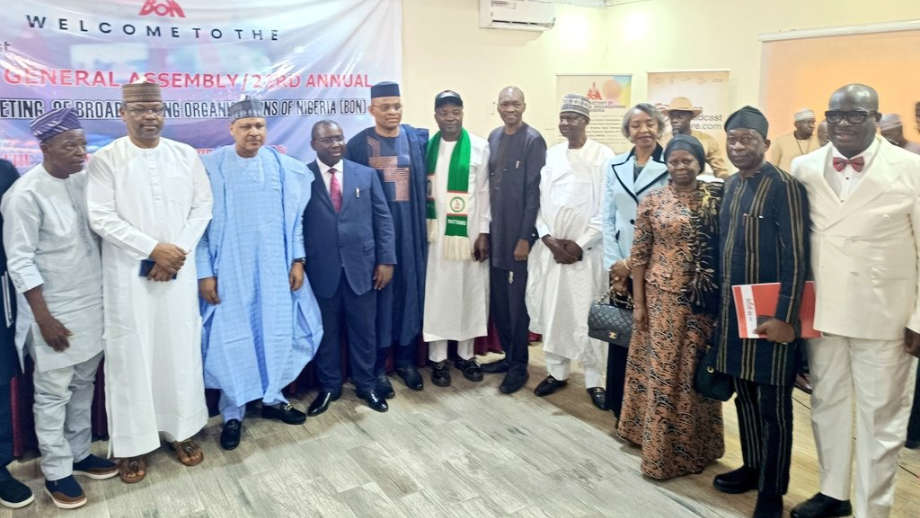
During his address at the 81st General Assembly of the Broadcasting Organisations of Nigeria on April 8, Amupitan highlighted the evolving landscape of electoral challenges, noting that the information battlefield has become more critical than physical security concerns.
“The information space has become a decisive battleground in modern elections,” Amupitan told the assembled media executives. “False information now poses a greater threat to electoral integrity than physical disruptions at polling stations.”
The INEC chairman called for strict adherence to the Electoral Act 2026, with particular emphasis on provisions governing political broadcasting. He stressed the importance of providing equal media access to all registered political parties, a fundamental principle that ensures democratic fairness in the electoral process.
Nigeria, Africa’s most populous nation, has struggled with electoral misinformation in previous polls. The 2023 general elections saw widespread circulation of false narratives across traditional and social media platforms, creating tension in various parts of the country and challenging INEC’s credibility.
Amupitan specifically cautioned against broadcasting inflammatory or divisive content that could heighten ethnic, religious, or regional tensions in the diverse nation. “Such irresponsible broadcasting risks not only undermining the electoral process but also threatening our national cohesion,” he warned.
The electoral chief also reminded broadcasters about the mandatory 24-hour “cooling-off period” immediately preceding Election Day. During this critical timeframe, all political campaigns and advertisements must cease, allowing voters a period of reflection before casting their ballots.
The commission faces significant challenges in ensuring media compliance. Amupitan acknowledged regulatory overlaps between INEC and the National Broadcasting Commission, which often create confusion regarding enforcement responsibilities. He also pointed to enforcement gaps that have allowed violations to go unpunished in previous electoral cycles.
Another concern raised was the increasing convergence of traditional and digital media platforms, which complicates monitoring efforts. As Nigerian voters increasingly consume political content through multiple channels, tracking misinformation has become more complex for regulators.
State-owned media outlets present another challenge, with Amupitan expressing concern about the incumbency advantage often displayed by government-controlled stations. “State broadcasters must remember their obligation is to the public, not ruling parties,” he emphasized.
The commercialization of political airtime was also identified as problematic. Amupitan noted that the practice of selling political broadcasting slots at premium rates disadvantages smaller political parties with limited financial resources, potentially skewing the electoral playing field.
Media experts view Amupitan’s address as timely, given Nigeria’s history of electoral tensions and the growing sophistication of misinformation campaigns globally. Olumide Akintayo, a media analyst based in Lagos, told reporters that “broadcast media remains the most trusted information source for many Nigerians, particularly in rural areas, making responsible reporting essential for electoral peace.”
To address these challenges, Amupitan called for stronger collaboration between electoral and broadcasting regulators, improved fact-checking mechanisms, and greater transparency in political advertising. He urged media organizations to prioritize journalistic ethics over commercial interests during the election period.
“The credibility of our 2027 elections will depend significantly on how responsibly you use the airwaves,” Amupitan concluded. “I urge all broadcasters to place truth and professionalism above profit as we approach this critical national exercise.”
The 2027 elections will mark another important democratic milestone for Nigeria, which returned to civilian rule in 1999 after decades of military governance.
Fact Checker
Verify the accuracy of this article using The Disinformation Commission analysis and real-time sources.

7 Comments
I’m glad to see the electoral commission taking proactive steps to address this issue before the 2027 elections. Responsible reporting is essential for a well-informed electorate.
Responsible media coverage is crucial for free and fair elections. Spreading misinformation can undermine public trust in the democratic process. It’s good to see the electoral commission taking a strong stance on this issue.
The information space is indeed a critical battleground in modern elections. Combating misinformation will be a major challenge, but necessary to protect the integrity of the vote.
Strict adherence to election laws and regulations is crucial. Broadcasters must uphold their ethical responsibilities and avoid spreading false information that could sway voters.
The INEC chairman makes a valid point. Physical security is important, but the information battle is perhaps an even greater threat to electoral integrity nowadays. Vigilance is required.
Ensuring equal media access for all registered parties is an important principle. This helps level the playing field and gives voters a fair chance to hear from a range of candidates and views.
Absolutely. Unbiased and balanced reporting is key to a healthy democracy.