


Listen to the article
Indian Railways Launches Dedicated Fact-Checking Service to Combat Misinformation
In a significant move to address the growing problem of misinformation on social media platforms, the Ministry of Railways announced Wednesday the launch of a dedicated “Fact Check” handle on X (formerly Twitter). The initiative comes as railway officials report an alarming increase in misleading content, particularly fake and outdated videos circulating online that purport to show railway incidents or policies.
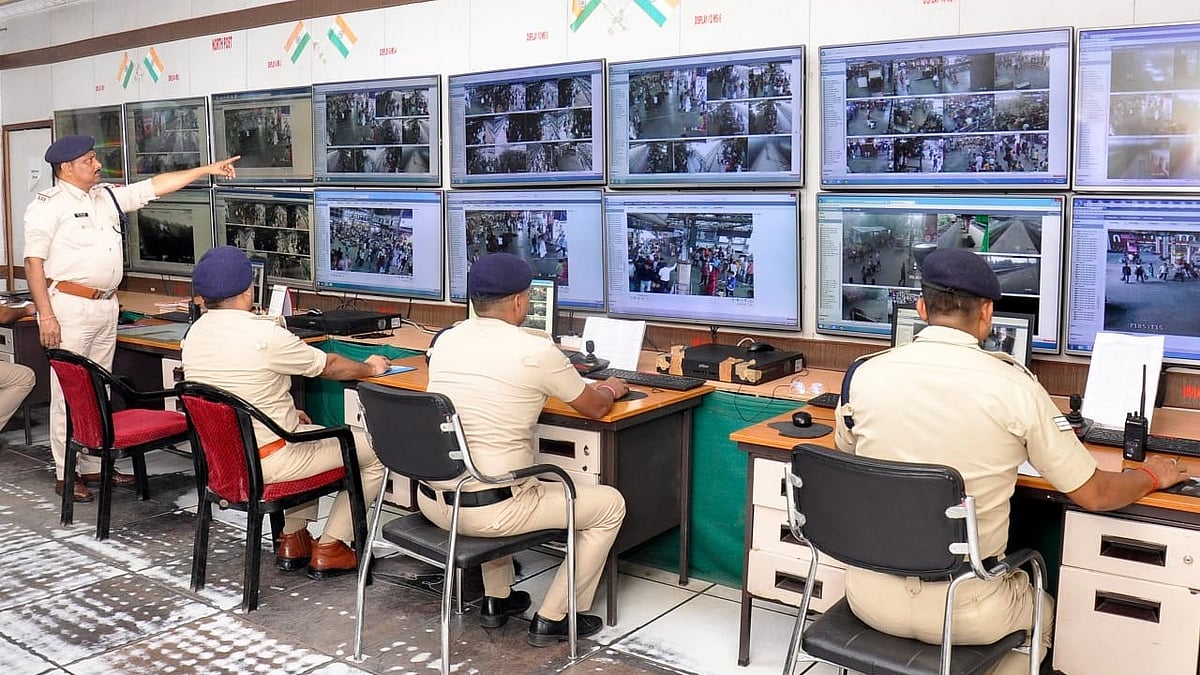
The new handle, @IRFactCheck, will serve as the official channel for the national transporter to identify and debunk false information related to its services, operations, and policies. Railway officials confirmed that a comprehensive social media monitoring system has been implemented alongside this initiative to track and respond to misleading content in real time.
“Introducing Indian Railway Fact Check — the official handle of Indian Railways to counter misinformation. If you come across any misleading or false content about Railways, tag @IRFactCheck to help us help keep the facts on track. Follow, stay informed, and share responsibly,” the ministry stated in its inaugural post on the platform.
The timing of this launch is particularly relevant as Indian Railways, one of the world’s largest railway networks carrying over 23 million passengers daily, has increasingly become a target for misinformation. Sources within the ministry indicate that misleading content about train accidents, service changes, and ticket pricing has created unnecessary panic and confusion among passengers on multiple occasions over the past year.
This initiative aligns with broader government efforts to combat digital misinformation, a growing concern in India where social media penetration continues to expand rapidly across both urban and rural regions. The Indian Railways joins several other government departments that have established similar fact-checking mechanisms in recent years.
Railway officials have specifically requested users to report content related to the Indian Railway Catering and Tourism Corporation (IRCTC), the railway’s ticketing and catering arm that serves millions of passengers. IRCTC has frequently been the subject of misleading posts about fare hikes, policy changes, and booking procedures.
Industry experts view this development as a necessary step in maintaining public trust. “For a service as essential as railways in India, accurate information is crucial. This fact-checking mechanism could help prevent panic situations caused by viral misinformation, especially during holiday seasons or emergencies,” noted Rahul Sharma, a transportation analyst with the Institute of Public Policy Research.
The initiative also reflects a growing trend among public institutions worldwide to take a more proactive approach to managing their digital reputation. By establishing an official fact-checking channel, Indian Railways aims to create a single, authoritative source that can quickly respond to and correct misinformation before it spreads widely.
Digital communication experts suggest that the success of this initiative will depend on the railways’ ability to respond promptly to flagged content and effectively communicate corrections to the public. The ministry has indicated that the fact-checking team will comprise communication specialists and railway experts who can quickly verify technical information.
Passengers are encouraged to follow the official handle and tag it when encountering suspicious content related to railway operations. The ministry emphasized that citizen participation will be crucial in identifying misleading content across various social media platforms.
As one of India’s most utilized public services, the railways’ move to institute formal fact-checking mechanisms signals the growing recognition of social media’s impact on public perception and the critical need for government agencies to actively participate in online discourse to ensure accurate information reaches citizens.
Fact Checker
Verify the accuracy of this article using The Disinformation Commission analysis and real-time sources.
