


Listen to the article
India’s Energy Supplies Secure Amid Misinformation Campaign, Government Affirms
The Indian government issued a forceful statement Thursday countering widespread rumors about fuel shortages, characterizing the claims as a “deliberately mischievous, coordinated campaign of misinformation” designed to create public anxiety.
“India’s petroleum and LPG supply situation is fully secure and under control. All retail fuel outlets have enough supplies. There is no shortage of petrol, diesel, or LPG anywhere in the country,” declared the Ministry of Petroleum and Natural Gas, urging citizens to disregard fabricated claims circulating on social media platforms.
The ministry highlighted India’s robust position in the global energy market, describing the nation as “an oasis of energy security” and noting its status as the world’s fourth-largest refiner and fifth-largest exporter of petroleum products. With exports reaching over 150 countries, the ministry emphasized that “since India is a net exporter, domestic availability remains structurally secure.”
All of India’s more than 100,000 retail fuel outlets continue normal operations, with authorities confirming that “not a single outlet has been asked to ration supply.” This stands in stark contrast to several other nations that have implemented rationing measures, odd-even restrictions, or declared energy emergencies amid global tensions.
The ministry acknowledged isolated instances of queues at select pumps but attributed these to panic buying triggered by manipulated videos rather than actual supply constraints. Even in these cases, oil company depots worked overtime to replenish stocks, and credit limits for pumps have been increased from one day to over three days to ensure uninterrupted service.
Addressing concerns about potential disruptions due to geopolitical tensions near the Strait of Hormuz, the government confirmed that India continues to receive more crude than before from its network of over 41 global suppliers. Every refinery in the country is currently operating above 100 percent utilization, with crude supplies secured for the next 60 days.
The statement directly confronted viral claims suggesting India has merely six days of fuel stock remaining. “The country has 74 days of total reserve capacity, with an actual cover of around 60 days even on Day 27 of the Middle East crisis,” the ministry clarified, adding that “any representation that India’s reserves are depleted or insufficient should be dismissed with the disdain it deserves.”
Regarding LPG supplies, the ministry was equally emphatic: “There is no LPG shortage.” Domestic refinery production has increased by 40 percent to 50 TMT (thousand metric tonnes) daily, covering more than 60 percent of national requirements. Daily import needs have decreased to 30 TMT, while 800 TMT of assured cargoes from the US, Russia, Australia, and other suppliers are already en route to India’s 22 LPG import terminals—a significant improvement from the infrastructure available in 2014.
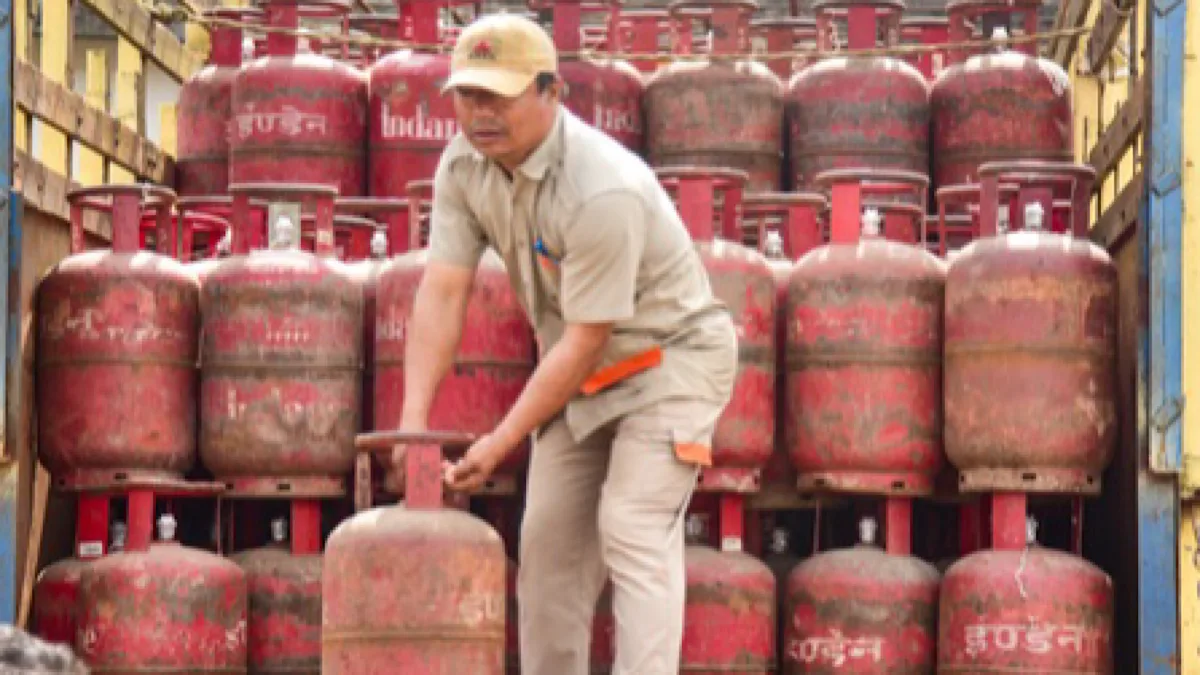
Oil marketing companies continue to deliver over 5 million cylinders daily, despite a temporary surge in demand to 8.9 million cylinders due to panic orders. This demand has since stabilized, and to prevent hoarding, state authorities have coordinated to increase commercial cylinder allocations to 50 percent.
The ministry also addressed misconceptions about the promotion of Piped Natural Gas (PNG), clarifying that the ongoing transition from LPG to PNG has long been part of India’s clean energy strategy and is not a response to any supply shortages. PNG connections have expanded dramatically from 2.5 million in 2014 to over 15 million today, with city gas networks now covering more than 300 geographical areas across the country.
Officials expressed “serious concern” over the spread of misinformation, including selectively edited images of queues, foreign news footage repurposed to suggest local problems, and misrepresentation of routine administrative orders as emergency declarations. The ministry warned that spreading false information about essential commodities constitutes an offense under Indian law.
The statement serves as a comprehensive rebuttal to what authorities view as a coordinated attempt to undermine public confidence in India’s energy security during a period of heightened global tensions.
Fact Checker
Verify the accuracy of this article using The Disinformation Commission analysis and real-time sources.

14 Comments
It’s encouraging to see the Indian government take a proactive approach in addressing the misinformation campaign around fuel supplies. Maintaining energy security is crucial for a rapidly growing economy like India’s.
India’s position as the world’s fourth-largest refiner and fifth-largest exporter of petroleum products is quite impressive. This underscores the country’s energy security and self-sufficiency.
Absolutely, with over 150 countries importing Indian petroleum products, the domestic market appears well-supplied. Countering misinformation is crucial to maintain public confidence.
The government’s characterization of India as an ‘oasis of energy security’ is quite apt, given the country’s strong position as a net exporter of petroleum products. Proactive communication is key to curbing public anxiety.
Absolutely, India’s robust energy exports demonstrate its ability to meet domestic demand while also serving global markets. Transparent messaging from authorities is essential in such situations.
It’s good to see the Indian government taking a proactive stance in refuting the misinformation campaign around fuel supplies. Maintaining energy security is crucial for a growing economy like India’s.
Agreed, India’s status as a net exporter of petroleum products highlights its robust energy position. Transparent communication from authorities can help calm public concerns.
The Indian government’s swift response in refuting the viral misinformation campaign is commendable. Maintaining reliable energy supplies is critical for the country’s economic growth and development.
Agreed, India’s position as a net exporter of petroleum products is a strong indicator of its energy security. Transparent communication from authorities can help allay public concerns during such situations.
It’s encouraging to see the Indian government taking a firm stance against the viral misinformation campaign. Maintaining reliable energy supplies is critical for economic growth and development.
It’s reassuring to see the Indian government taking a strong stance against the viral misinformation campaign around fuel supplies. Maintaining reliable energy security is critical for the country’s economic growth.
The government’s characterization of India as an ‘oasis of energy security’ is well-deserved, given the country’s status as a major refiner and exporter of petroleum products. Effective communication is key in countering misinformation.
Absolutely, with India’s robust energy exports reaching over 150 countries, the domestic market appears to be well-supplied. Transparent messaging from authorities can help allay public concerns during such situations.
India’s status as a major refiner and exporter of petroleum products is a testament to the government’s efforts to ensure energy security. Refuting misinformation is crucial to maintain public trust.