


Listen to the article
Immigration Misinformation Spreads Fear Through South Carolina’s Immigrant Communities
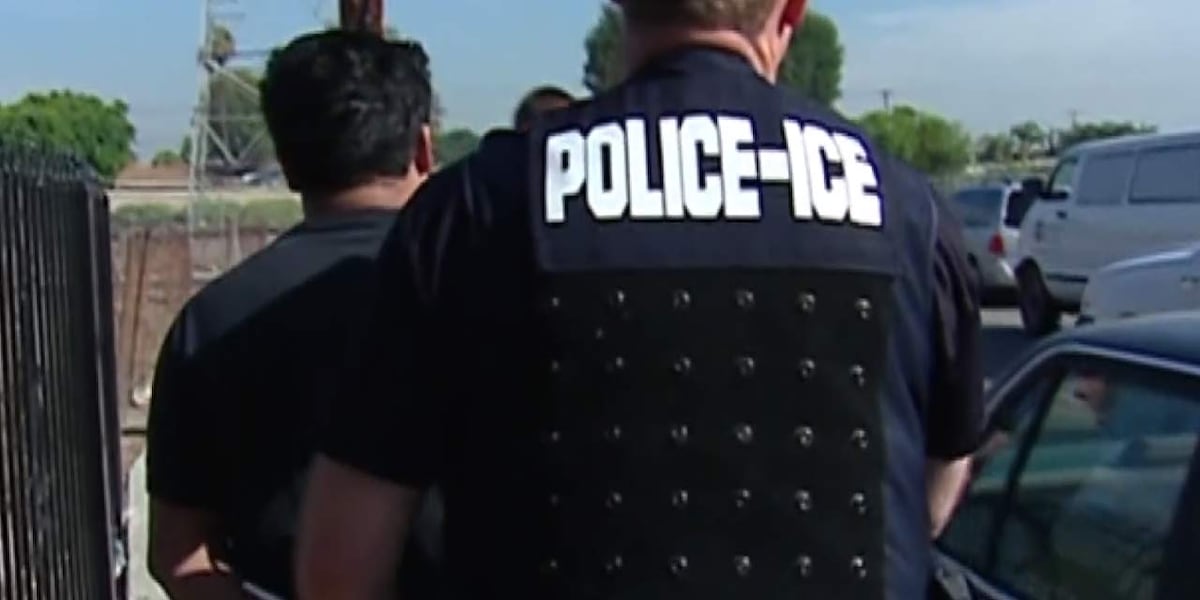
False information circulating on social media about Immigration and Customs Enforcement (ICE) operations has triggered widespread fear among immigrant communities in South Carolina, leading families to avoid essential services and potentially endangering lives, community advocates report.
“We are hearing increased fear in the community,” said Dulce Lopez, Immigrant Rights Advocacy Strategist for the ACLU of South Carolina. The organization has noted a troubling trend of families altering their normal routines due to unverified social media posts claiming ICE raids are occurring at various locations.
Enrique Grace, president of the Charleston Hispanic Association, explained that numerous misleading posts and videos about supposed ICE operations are spreading rapidly online, creating panic. “We can’t keep up. I mean, it’s every day they’re posting something. Hey, don’t go to this store. Don’t go to this store. Don’t go to Lowe’s. Don’t go here. Don’t go there,” Grace said.
The consequences of this misinformation have been severe. Advocates report that some families have kept children home from school, avoided religious services, and even refrained from seeking medical attention when needed. Lopez shared a particularly tragic case where fear of immigration enforcement had fatal consequences.
“A parent didn’t take their child to the hospital because of fear that immigration might be there,” Lopez recounted. “She let the child at home and that child passed away.”
This incident highlights the potentially life-threatening impact of immigration-related misinformation, particularly in communities already experiencing heightened vulnerability due to their immigration status. The Charleston Hispanic Association has found it increasingly difficult to verify the flood of warnings being shared through social networks and messaging apps.
Immigration enforcement misinformation is not unique to South Carolina. Similar patterns have emerged in immigrant communities nationwide, especially following shifts in immigration policy or high-profile enforcement actions. Social media platforms have struggled to combat the rapid spread of unverified claims about ICE operations, which can travel through closed messaging groups and community networks before authorities can respond.
Despite the climate of fear, Lopez emphasized that all individuals have constitutional protections regardless of immigration status. “Have the right to remain silent under the Fifth Amendment. We also have the right to not open the door. So this is under the Fourth Amendment protection against unlawful searches,” Lopez explained. “If an officer doesn’t have a judicial warrant, then we have the right not to [open the door] as well. And under the Sixth Amendment, we also have the right to an attorney for our criminal cases that may impact our immigration cases.”
Lopez noted an important distinction, however: while criminal cases guarantee legal representation, pure immigration proceedings do not provide government-appointed attorneys. This gap in legal protection adds another layer of vulnerability for immigrant communities navigating a complex legal system.
Community organizations across South Carolina are now working to counter misinformation by establishing trusted information channels and conducting know-your-rights workshops. These efforts aim to ensure immigrant families can distinguish between actual threats and false alarms while understanding their legal protections.
The situation highlights broader tensions surrounding immigration enforcement and the real-world impact of misinformation on vulnerable communities. Public health officials have previously expressed concern that fear of immigration enforcement can create “chilling effects” that discourage families from accessing critical services like healthcare, education, and emergency assistance.
As misinformation continues to circulate, advocates urge community members to verify information through trusted sources and to understand that constitutional protections extend to all residents regardless of immigration status.
Fact Checker
Verify the accuracy of this article using The Disinformation Commission analysis and real-time sources.

11 Comments
The chilling effect of social media misinformation on essential community functions is really worrying. Families avoiding critical services due to unsubstantiated rumors could have severe consequences. Strengthening digital literacy and fact-checking seems like a crucial step forward.
Absolutely. Equipping immigrant communities with the tools to discern truth from fiction online is vital. Trusted local leaders and organizations will be key partners in that effort to combat the harmful spread of misinformation.
This situation highlights the need for improved digital literacy and fact-checking skills, especially in immigrant and minority communities that may be more susceptible to social media misinformation. Empowering people to verify claims before reacting could go a long way.
This is a complex issue without easy solutions. On one hand, the spread of unverified claims on social media is extremely problematic. On the other, the fear and disruption it causes in immigrant communities is heartbreaking. A balanced, fact-based approach is needed to address the root causes.
This is a worrying trend of misinformation spreading panic in immigrant communities. Social media can be a powerful tool, but it also amplifies unverified claims that can have serious consequences. Community organizations play a vital role in providing accurate, reassuring information during these uncertain times.
Absolutely. Vulnerable communities need to be able to trust official sources and local leaders, not get caught up in unfounded social media rumors. Responsible reporting and fact-checking are essential to combat this kind of misinformation.
This is a challenging situation that highlights the real-world impacts of online misinformation. Vulnerable communities are being disrupted and endangered by the rapid spread of unverified social media claims. Finding ways to promote digital literacy and verified information is essential.
It’s disheartening to see how quickly misinformation can spread online and sow fear, especially among already marginalized groups. These communities deserve to feel safe accessing essential services without being paralyzed by unverified social media posts.
Agreed. Immigrant rights advocates have a tough challenge in trying to counter the rapid spread of misleading information. Building trust and providing reliable, up-to-date guidance is crucial to protect vulnerable families.
It’s concerning to see how misinformation can trigger such widespread fear and disrupt essential community functions. Targeted outreach and clear communication from trusted local organizations seem vital to combat these trends and keep people informed.
Yes, community leaders have a responsibility to get accurate, timely information to residents, especially the most vulnerable. Proactive steps to counter misinformation could make a real difference in restoring a sense of security.