


Listen to the article
Israeli military admits to falsifying image of slain Lebanese journalist to justify strike
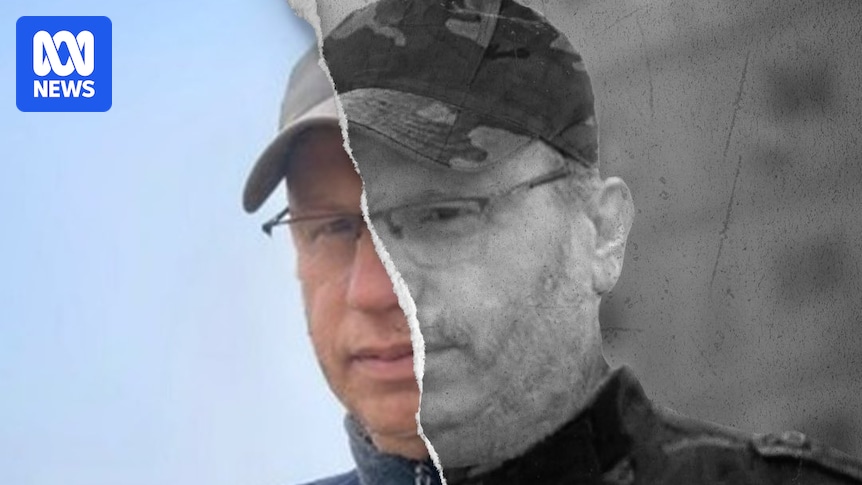
The Israel Defense Forces (IDF) has acknowledged editing a photograph of Lebanese journalist Ali Hassan Shoeib to depict him in military uniform after initially claiming he was a Hezbollah operative “operating under the guise of a journalist.”
In a post on X (formerly Twitter), the IDF’s official English-language account declared Shoeib “ELIMINATED” and stated: “For years, Ali Hassan Shoeib operated as a Hezbollah Radwan Force terrorist under the guise of a journalist. Turns out the ‘press vest’ was just a cover for terror.”
Following questions from Fox News, the IDF was forced to admit it had digitally altered the photo to show Shoeib in military attire rather than the press protective gear he wore as a reporter for Al Manar TV, a Hezbollah-affiliated news outlet.
The admission represents a significant breach of credibility for the Israeli military’s public communications, particularly as it attempts to justify Saturday’s targeted strike in southern Lebanon that killed Shoeib and two other journalists – reporter Fatima Ftouni and her brother, cameraman Mohamed Ftouni, both from Al Mayadeen channel.
Queensland University of Technology disinformation researcher Timothy Graham called the incident “fabricated evidence of combatant status applied to a real person, published on an official military platform to justify a killing.”
“It is rationalization of violence through deception,” Associate Professor Graham told ABC NEWS Verify, adding that it was notable the IDF chose to make its admission to Fox News, an outlet he believed was unlikely to amplify the retraction.
The strike, which reportedly hit the journalists’ car just before noon local time in the town of Jezzine, has drawn international condemnation. As of publication, the IDF has provided no evidence to support its claim that Shoeib had any military role with Hezbollah and has not commented on the deaths of the Ftouni siblings.
Lebanese President Joseph Aoun strongly condemned the attack, calling it “a blatant crime that violates all norms and treaties under which journalists are granted international protection during armed conflicts.”
“Once again, Israeli aggression violates the most basic rules of international law, international humanitarian law, and the laws of war by targeting media correspondents who are civilians carrying out their professional duty,” Aoun stated.
Hezbollah also refuted the IDF’s allegations in a statement on Telegram, describing the targeting of journalists as “an aggression that amounts to a war crime against the free, honest and national media.”
Media watchdog organizations have expressed growing concern about journalist safety in the region. According to the Committee to Protect Journalists, more than 100 journalists and media workers have been killed since the Israel-Hamas conflict began in October 2023, with the violence now spreading to Lebanon as tensions escalate.
Graham suggests the IDF’s use of falsified imagery on social media represents the evolution of military propaganda in the digital age, relying on “first-impression dominance” rather than factual accuracy.
“The correction never catches the lie, or when it does, it doesn’t matter anymore. I would suggest that this is not a communications failure at all — that’s the strategy,” he explained.
Despite the admission that the image was manipulated, the IDF’s original post and edited photo remained on X with no correction or community note at the time of publication, potentially reaching millions of viewers with misleading information used to justify the killing of a journalist.
The incident highlights the dangerous intersection of military operations, media freedom, and information warfare as the conflict in the Middle East continues to intensify.
Fact Checker
Verify the accuracy of this article using The Disinformation Commission analysis and real-time sources.

11 Comments
This incident highlights the importance of independent verification and scrutiny of military claims, especially when they involve the targeting of civilians or media personnel. The IDF must be held to the highest standards of transparency and ethical conduct.
Editing photos of journalists to depict them as terrorists is a dangerous precedent. The IDF must be held accountable for spreading disinformation and violating the sanctity of the press. Credibility is crucial for military communications.
I agree. The IDF’s actions call into question their commitment to the truth and respect for the media’s role. Transparency and an independent investigation are needed to restore public trust.
This is a troubling example of how militaries can abuse their power and manipulate information. Journalists must be able to report freely and safely, without fear of being targeted or having their identities falsified. The IDF owes the public an explanation.
This is a disturbing development. Using fake imagery to justify a strike on journalists undermines press freedom and accountability. The IDF needs to be more transparent about its actions and decision-making process.
While the IDF may have concerns about Hezbollah’s activities, using deceptive tactics against journalists is unacceptable. The military must find lawful and transparent ways to address security threats without compromising fundamental freedoms.
The IDF’s admission of altering this photo is a significant breach of credibility. Manipulating evidence to justify the killing of journalists undermines press freedom and the public’s right to accurate information. Accountability and reform are needed.
The IDF’s actions in this case are deeply troubling. Using doctored imagery to discredit a journalist and justify a lethal strike is a grave violation of journalistic integrity and human rights. Restoring trust will require genuine accountability and reform.
The IDF’s admission of digitally altering this photo is a serious breach of ethics and credibility. Falsifying evidence to justify the killing of journalists is a grave abuse of power that undermines press freedom and human rights.
This is a worrying development that raises questions about the IDF’s commitment to truthful reporting and respect for the media’s role. Falsifying evidence to portray journalists as terrorists is a dangerous precedent that damages public trust.
Editing photos to depict journalists as terrorists is a concerning tactic that erodes public trust and undermines the essential role of the free press. The IDF must be held accountable and take steps to ensure this does not happen again.