


Listen to the article
Scientists across Ireland are raising alarms about the growing threats of misinformation and artificial intelligence-generated content, which they fear could undermine public and political understanding of critical scientific issues. This concern emerged as the primary worry among 350 scientists and researchers who have joined the newly established all-Ireland Science Media Centre.
The centre, which has been operating on a pilot basis for the past two years, has now been formally launched with headquarters at Airfield Estate farm and gardens in Dublin. It represents the eighth such institution globally, following similar establishments in the UK, Australia, New Zealand, Spain, Germany, Taiwan, and Korea.
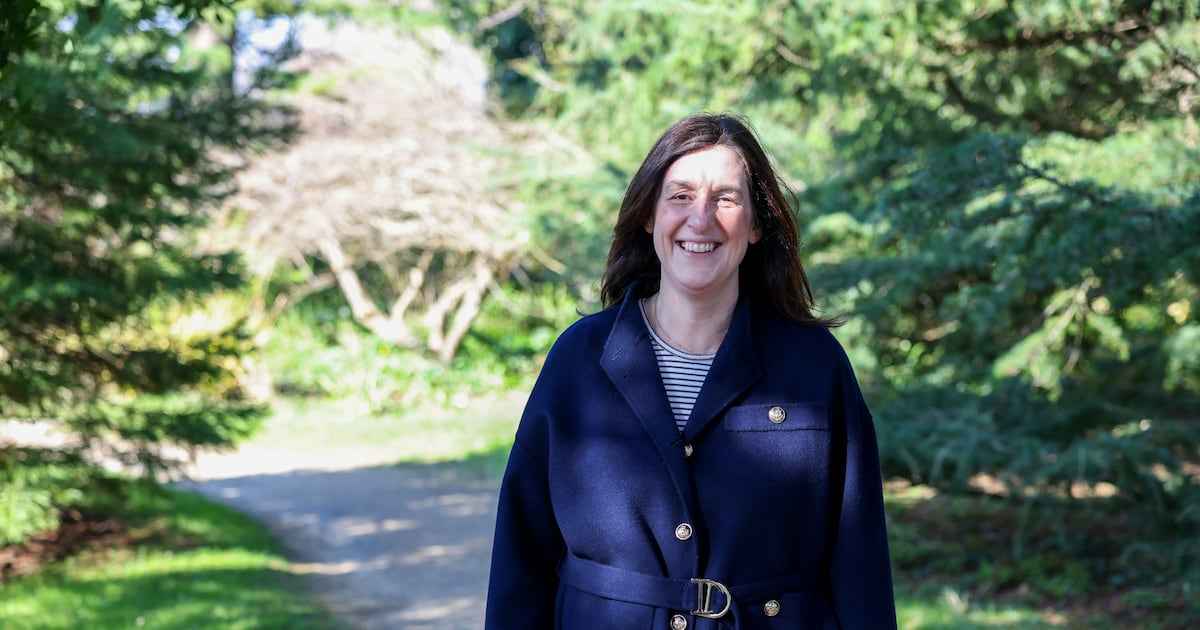
“When stories break, evidence and expertise are part of the conversation from the very beginning and not correcting after the fact,” explained chairwoman Claire Mac Evilly, describing the organization’s proactive approach to scientific communication.
The original Science Media Centre in the UK was formed in response to public misinformation crises, including the debunked research linking the MMR vaccine to autism and controversies surrounding genetically modified foods. These incidents highlighted how scientists were often forced into defensive positions, attempting to provide accurate information after misconceptions had already become entrenched in public discourse.
Funded by universities and research institutes, the centre maintains a database of experts who volunteer their expertise to provide rapid reactions, in-depth analysis, or previews of upcoming scientific issues. This resource offers journalists direct access to verified scientific perspectives when covering complex topics.
Dr. Sinéad Waters of the School of Biological and Chemical Sciences at University of Galway shared her experience with the centre at the launch event. She noted that many scientists have traditionally been reluctant to engage with media outlets, fearing misrepresentation by non-expert journalists. However, the Science Media Centre effectively bridges this gap, creating a trusted channel for scientific communication.
Waters recounted her own conversion to the concept following a controversy in Britain last year regarding feed additives designed to reduce greenhouse gas emissions from cattle. When news broke that a cooperative supplying major supermarkets planned to trial these additives, social media platforms erupted with misinformation.
“It was videos on Twitter [now X] and TikTok of people pouring milk down the sink and saying I’m not going to touch this because this feed additive causes male infertility,” Waters explained. “They said Bill Gates was behind this. There was a huge amount of misinformation circulating.”
The situation was effectively addressed when multiple news outlets published explanatory content gathered by the Science Media Centre, helping to debunk unfounded theories and clarify the scientific facts.
A survey of experts who joined the all-Ireland centre revealed significant concerns about scientific reporting in Irish media. Approximately 25 percent believed scientific issues were poorly reported, while just over half characterized the coverage as merely “average.” These findings underscore the perceived need for improved science communication across Ireland.
Beyond misinformation and AI-generated content, climate change stands as another predominant concern among the scientific community. Scientists view these challenges as intertwined threats to effective public understanding of crucial scientific matters.
The establishment of the all-Ireland Science Media Centre represents a significant development in Ireland’s scientific infrastructure, potentially transforming how complex scientific information reaches the public. By providing journalists with direct access to verified expertise, the centre aims to ensure that evidence-based perspectives are included in news reporting from the outset, rather than being added as afterthoughts or corrections.
As digital misinformation continues to proliferate and AI tools make generating convincing but potentially inaccurate content easier, institutions like the Science Media Centre may play an increasingly vital role in maintaining scientific integrity in public discourse.
Fact Checker
Verify the accuracy of this article using The Disinformation Commission analysis and real-time sources.

10 Comments
Misinformation and AI-generated content pose a growing threat to public discourse. I’m encouraged to see 350 scientists joining this all-Ireland effort to ensure evidence and expertise are part of the conversation from the start.
Agreed. Rapid response and fact-checking are key to countering the spread of misinformation before it takes hold.
The launch of this all-Ireland Science Media Centre is a positive step, but the true test will be its ability to effectively counter misinformation in a timely and impactful way. I hope they are successful in this important endeavor.
As someone who has witnessed the damage that misinformation can cause, I’m encouraged to see the scientific community taking a proactive stance. This initiative could be a model for other countries to follow.
This is a timely and important initiative. Combating misinformation is crucial, especially on scientific topics where public understanding can have real-world impacts. I’m glad to see the scientific community taking a proactive approach.
As someone with a keen interest in science and technology, I’m curious to see how this initiative evolves and the kinds of misinformation it aims to address. Transparency and public engagement will be critical.
Kudos to the scientists and researchers involved in this effort. Safeguarding the public’s understanding of scientific issues is vital, especially on topics that can impact policy decisions.
Agreed. This initiative could play a crucial role in ensuring scientific evidence informs public discourse and policymaking.
The formation of this Science Media Centre mirrors similar initiatives in other countries. This collaborative approach across Ireland could be an effective model for combating misinformation on a national scale.
Absolutely. Learning from the successes and challenges of existing science communication centers will be crucial for the new Irish effort.