


Listen to the article
HPV Vaccine Misinformation Spreads as India Launches National Immunization Effort
India’s ambitious national program to vaccinate adolescent girls against Human Papillomavirus (HPV) has encountered a significant obstacle: a wave of misinformation threatening to undermine public confidence in what health officials describe as a crucial cancer prevention initiative.
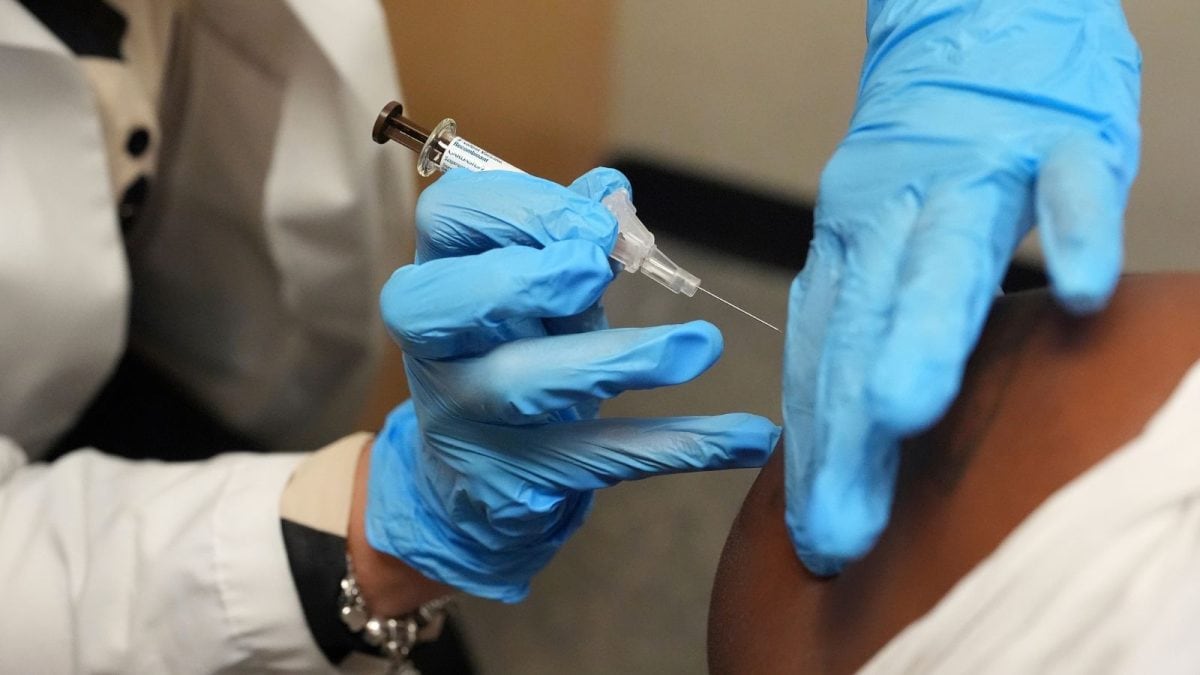
The campaign, which officially began on February 28, aims to provide free HPV vaccinations to 14-year-old girls across the country using the Gardasil-4 vaccine. With approximately 1.15 crore eligible girls nationwide, the program represents one of India’s most significant public health interventions in recent years.
Health authorities have positioned the initiative as vital in the fight against cervical cancer, which claims nearly 80,000 Indian women annually and ranks as the second most common cancer among the country’s female population after breast cancer. India records more than 125,000 new cases each year, highlighting the urgent need for preventative measures.
However, as vaccination efforts expand across various states, social media platforms have seen a proliferation of unsubstantiated claims about the vaccine’s safety and efficacy. These posts, often presented with misleading scientific terminology, have sparked renewed fears among parents at this critical juncture in the rollout.
Much of the circulating misinformation centers on allegations that HPV vaccines could cause infertility in young girls. Other viral claims suggest the vaccine lacks sufficient safety data or was linked to deaths during earlier clinical trials in India. Some posts even contend that HPV vaccination might encourage early sexual activity among adolescents.
“The problem is particularly concerning when these claims come from individuals presenting themselves as medical experts or policy analysts,” noted Dr. Ravi Mehrotra, a cancer researcher quoted by India Today. He explained that misinformation often combines pseudo-scientific language with emotional narratives designed to resonate with already hesitant parents.
Public health officials emphasize that these claims directly contradict established scientific evidence. The World Health Organization’s Global Advisory Committee on Vaccine Safety, alongside numerous systematic reviews and large population studies, has found no credible link between HPV vaccination and infertility.
Initial concerns emerged following isolated case reports from the United States suggesting a possible temporal association between HPV vaccination and Primary Ovarian Insufficiency (POI), a condition causing premature ovarian function decline before age 40. To investigate, researchers conducted a comprehensive review of 608 scientific articles, ultimately identifying only six cases of POI occurring 8-24 months after vaccination with the quadrivalent HPV vaccine.
Crucially, these cases demonstrated only a temporal association rather than causation. Additional population-based research, including an analysis using data from the US National Health and Nutrition Examination Survey (2013-2016), examined responses from 1,114 women aged 20-33. While 8.1 percent of participants reported experiencing infertility, researchers found no correlation between HPV vaccination status and fertility outcomes after accounting for confounding variables.
Health communication experts note that infertility concerns remain particularly persistent because they touch on deeply rooted anxieties related to reproductive health, especially when vaccination programs target young adolescent girls.
The misinformation challenge poses a significant threat to India’s cervical cancer prevention goals. Social media has amplified these unfounded claims, exploiting existing institutional distrust and parental fears concerning children’s health.
Public health officials are now working to counter misinformation through educational campaigns emphasizing the vaccine’s extensive safety record and critical role in preventing a deadly disease that continues to affect thousands of Indian women annually.
As the national rollout continues, authorities face the dual challenge of administering vaccines while simultaneously addressing the persistent wave of misinformation that threatens to undermine confidence in what could be a lifesaving public health intervention for generations of Indian women.
Fact Checker
Verify the accuracy of this article using The Disinformation Commission analysis and real-time sources.

11 Comments
Cervical cancer is a major issue in India, and the HPV vaccine has been shown to be a safe and effective preventative measure. I’m curious to see how this national vaccination program unfolds and whether it can overcome the challenges posed by misinformation.
As an investor, I’ll be watching this closely. The success of India’s HPV vaccination rollout could have implications for the broader global market for HPV vaccines and related medical technologies.
Good point. A well-executed program in India could drive increased adoption and demand for HPV vaccines worldwide, benefiting companies in this space.
This is an important public health intervention, but the spread of misinformation is concerning. I hope India’s health authorities can effectively counter unfounded vaccine fears and ensure high vaccination rates among the target population.
Agreed. Proactive, fact-based public education campaigns will be essential to the program’s success in protecting women from cervical cancer.
Cervical cancer disproportionately impacts women in developing countries. India’s initiative to provide free HPV vaccinations is an admirable step toward improving women’s health outcomes. Addressing misinformation will be crucial for its success.
This is an important public health initiative in India to protect women against cervical cancer. However, the spread of misinformation is concerning and could undermine the program’s effectiveness. Rigorous scientific evidence supports the safety and efficacy of the HPV vaccine.
Absolutely. Implementing this national vaccination program is a crucial step in combating a major public health issue in India. Addressing misinformation proactively will be key to its success.
Cervical cancer is a serious threat, especially in developing countries. The HPV vaccine has been shown to be a safe and effective preventative measure. Tackling misinformation is essential to ensure high vaccination rates and protect women’s health.
You’re right. Robust public education efforts are needed to counter the spread of unfounded vaccine fears and promote the proven benefits of the HPV vaccine.
I’m curious to see how this national HPV vaccination program unfolds in India. Overcoming misinformation will be a significant challenge, but the potential to save lives makes it a very worthwhile effort.