


Listen to the article
As tensions between Iran and Israel escalate, social media platforms have become flooded with misleading information, making it increasingly challenging for users to distinguish fact from fiction.
Recent weeks have witnessed a surge in misinformation following Iran’s unprecedented direct attack on Israel, which involved launching approximately 300 drones and missiles. This marked a significant escalation in the ongoing Middle East conflict that has intensified since Hamas’ October 7 attack on Israel and the subsequent Israeli military operations in Gaza.
Digital media experts warn that the current information landscape presents numerous pitfalls for those trying to stay informed. Daniel Bernhard, executive director at the Institute for Canadian Citizenship, emphasizes that social media platforms are deliberately designed to maximize engagement rather than promote accuracy.
“These platforms are built to get you to click and engage, not to help you understand complex geopolitical situations,” Bernhard explains. “The most inflammatory, emotional, and often misleading content tends to spread fastest because it triggers strong reactions.”
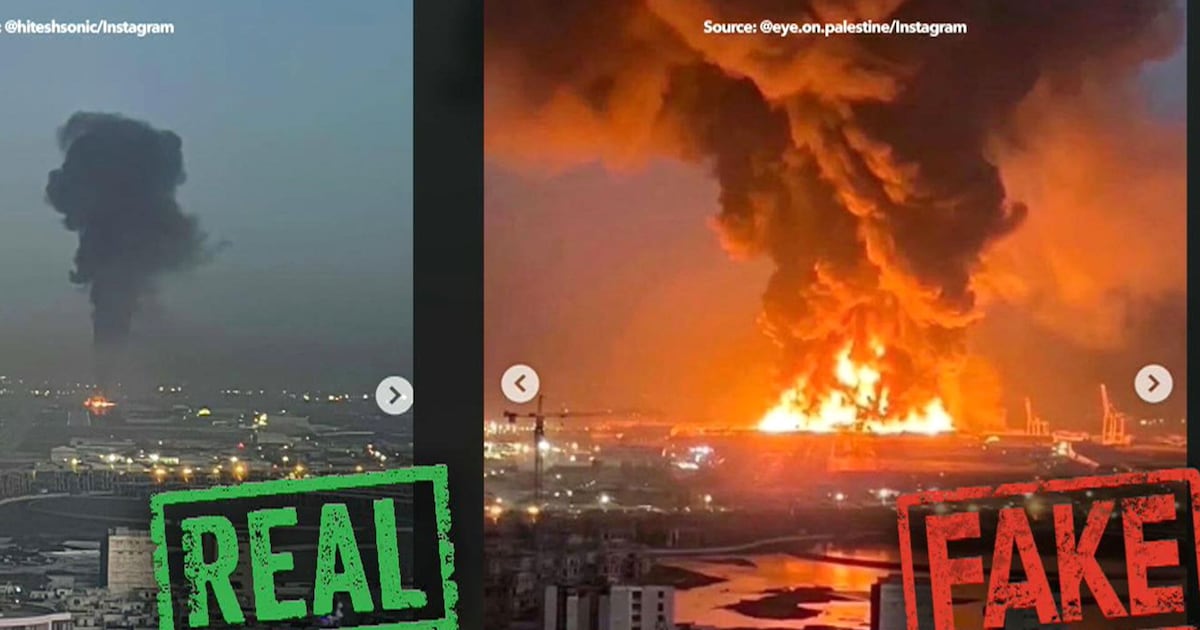
A particularly concerning trend involves the recycling of old videos and images from unrelated conflicts being presented as current footage from Iran or Israel. In some cases, clips from video games or military training exercises have been mislabeled as actual combat footage, garnering millions of views before fact-checkers can intervene.
Ahmed Al-Rawi, an associate professor at Simon Fraser University who specializes in disinformation, notes that both state and non-state actors are actively spreading false narratives to shape public perception of the conflict.
“We’re seeing coordinated campaigns from multiple directions,” Al-Rawi says. “Some misinformation aims to exaggerate casualties or military capabilities, while other content attempts to diminish or dismiss certain events altogether.”
Experts recommend several strategies for users seeking reliable information. First, they suggest consulting multiple trusted news sources with established journalistic standards rather than relying solely on social media feeds. Organizations with dedicated fact-checking teams and transparency about their sourcing processes provide more reliable coverage of complex international events.
Verification tools can also help users assess the authenticity of images and videos. Reverse image searches through services like Google Images or TinEye can reveal whether visual content has appeared online previously in different contexts. Similarly, analyzing metadata and examining video details—such as weather conditions, geography, and language—can provide clues about content authenticity.
Critical thinking remains essential when consuming information about geopolitical conflicts. Ahmed Al-Rawi advises users to consider who benefits from particular narratives and to be especially cautious of content designed to provoke strong emotional responses.
“When something seems designed primarily to make you angry or afraid, that’s often a red flag,” he notes. “Ask yourself if the source has particular political motivations or if they’re providing verifiable evidence for their claims.”
The proliferation of artificial intelligence tools has further complicated the information landscape. Deepfake technology now allows for the creation of realistic but entirely fabricated videos of political figures or events, making verification increasingly difficult even for experienced analysts.
Social media companies have implemented various measures to combat misinformation, including content warnings and reduced distribution of disputed claims. However, critics argue these efforts remain insufficient given the volume and sophistication of misleading content circulating during international crises.
Media literacy educators emphasize that addressing the problem requires both technological solutions and increased public awareness. Programs teaching critical media consumption skills have expanded in schools and community organizations, though experts acknowledge these initiatives face significant challenges in reaching vulnerable populations.
As the situation in the Middle East continues to develop, the information battle unfolds alongside military operations. For citizens seeking to understand these complex events, maintaining healthy skepticism while relying on credible sources may be the most effective defense against the tide of misinformation.
Fact Checker
Verify the accuracy of this article using The Disinformation Commission analysis and real-time sources.

11 Comments
This is a timely and important topic. With the escalating tensions in the Middle East, it’s crucial that we stay informed but also vigilant against misinformation. Fact-checking and cross-referencing multiple credible sources is key.
The article highlights an important challenge – distinguishing truth from misinformation online. With so much polarized content, it takes diligence to cut through the noise and get the facts.
As an investor in mining and energy stocks, I’m closely following the developments in the Iran conflict. It’s crucial to separate fact from fiction when trying to understand the potential market impacts.
Absolutely. Reliable, fact-based information is essential for making informed investment decisions, especially in volatile geopolitical situations. Verifying sources is key.
The article raises valid concerns about the spread of misinformation online, especially during times of geopolitical tension. Maintaining a critical eye and verifying sources is so important.
As someone with investments in the mining and energy sectors, I’m very interested in understanding the potential market impacts of the Iran situation. Fact-based analysis is crucial.
Interesting perspective on how social media platforms are designed to maximize engagement rather than promote accuracy. This is a problem that extends far beyond just the Iran conflict.
With the Iran conflict dominating the news, it’s more important than ever to be vigilant about the information we consume and share online. Fact-checking and cross-referencing sources is essential.
Excellent point about social media platforms being designed for engagement over accuracy. The tendency for inflammatory content to spread rapidly is really concerning. We need to be more critical consumers of online information.
Agreed. Platforms like Twitter and Facebook often prioritize engagement over truth, which can lead to the rapid spread of misinformation. We have to be very cautious about what we see and share online.
Identifying and combating misinformation is a constant challenge in the digital age. This article provides some useful tips for staying informed while avoiding the pitfalls of misleading content.