


Listen to the article
In an era where information spreads at unprecedented speeds, the line between fact and fiction on social media has become increasingly blurred. This phenomenon presents particular challenges as election seasons approach, according to Shannon McGregor, assistant professor at the University of North Carolina’s Hussman School of Journalism and Media.
McGregor, who serves as a senior researcher with the Center for Information, Technology and Public Life, distinguishes between two types of false information circulating online. “Misinformation is false information that is spread unintentionally or information that’s framed in a way that allows it to be misleading unintentionally,” she explains. “Whereas disinformation has intent behind it — it is false information that is designed to mislead people in some particular way.”
The spread of election-related falsehoods takes multiple forms across social platforms. Common examples include incorrect information about election dates, voter registration procedures, and various voting methods. Perhaps most concerning is disinformation questioning election integrity through unsubstantiated claims of widespread voter fraud.
“Most problematically, this information is spread by elected leaders or by people running for office,” McGregor notes. “Undermining the election and lying about the election is not only spreading disinformation about the election, but elections are how they can be held accountable.”
While much attention has focused on social media’s role in spreading disinformation since 2016, McGregor emphasizes the importance of considering the original sources. Although “regular” people frequently share false information in Facebook and WhatsApp groups, she believes much of this behavior stems from cues provided by political figures.
TikTok presents unique challenges in this landscape. Like other platforms, TikTok has content moderation policies prohibiting election disinformation. However, two factors complicate enforcement efforts.
“One is that it’s video-based, and that is just harder to moderate,” McGregor points out. “We don’t have as advanced technical capabilities for monitoring the content in videos as we do for things that are in text or even in still images.”
Additionally, TikTok’s policy against political advertising creates an unexpected problem. Without formal mechanisms to identify and verify political actors on the platform, moderators have less information about who is generating political content, making it harder to address misinformation effectively.
McGregor cautions against viewing social media as uniquely problematic in spreading false information. “We see false information on social media, but we see it on television news, in people’s podcasts, streaming shows, et cetera,” she says. “All the best content moderation in the world on every social media platform is not going to solve this problem, because the problem is that people who are in elected office are lying about elections.”
For consumers of social media, the quality of information sources is more important than the platform itself. McGregor notes that algorithmic feeds on platforms like TikTok, Twitter, and Facebook may expose users to political content even when they aren’t actively seeking it, creating potential vulnerabilities for those less politically engaged.
“If they start getting it and they’re not someone who’s very politically interested, are they going to be able to judge the veracity or the quality of that information in the same way as someone who’s seeking out political information all the time?” she asks.
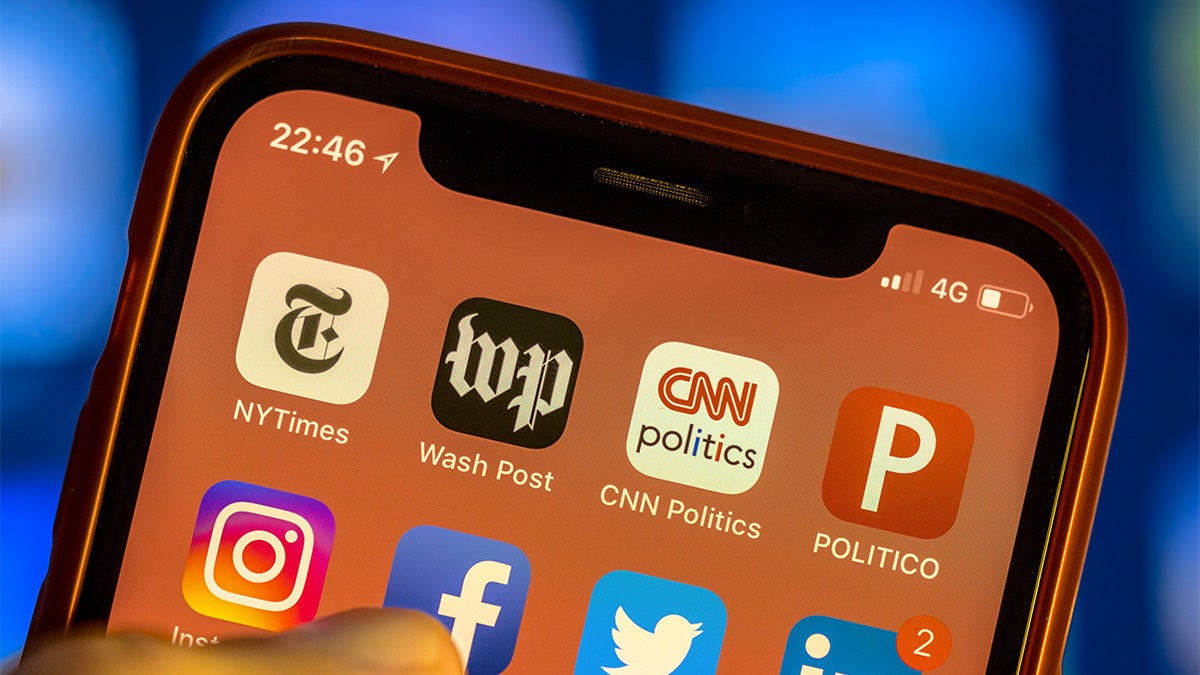
Despite these concerns, McGregor emphasizes that quality political information does exist across all platforms. She recommends several practical steps for social media users to navigate election-related content responsibly.
First, follow reliable sources: legitimate news organizations, professional journalists covering elections, candidates of interest, and official government election bodies. Second, report election misinformation and disinformation when encountered, which McGregor describes as a form of “community service.”
Perhaps most important is developing a moment of critical awareness when encountering provocative information. “If you come across information that makes you either really, really happy or really, really mad, and it’s new information, that’s a moment to just take a pause before you reshare it or comment on it,” McGregor advises.
She suggests verifying information through additional sources before spreading it further, noting that emotionally triggering content often targets aspects of identity that prompt immediate reactions.
As McGregor concludes, perfect information consumption isn’t the goal—it’s likely impossible. Rather, mindful engagement with content, especially during election seasons, can help mitigate the spread of false information across our digital ecosystem.
Fact Checker
Verify the accuracy of this article using The Disinformation Commission analysis and real-time sources.

10 Comments
As someone interested in the mining and energy sectors, I appreciate the author’s emphasis on the need to combat the spread of false narratives. Maintaining trust in institutions and reliable information is crucial for these industries.
Agreed. Misinformation can have real-world impacts on commodity prices, investment decisions, and public policy around mining, energy, and related issues.
This is a critical issue, as even well-intentioned social media users can inadvertently contribute to the spread of false narratives. Promoting media literacy and encouraging people to pause and verify claims before sharing is so important.
Absolutely. We all have a responsibility to be careful consumers and distributors of information, especially around elections.
This is a timely and important topic. With so much information (and misinformation) circulating online, we all have to be vigilant about verifying the sources and accuracy of what we see and share, especially around sensitive issues like elections.
Absolutely. Misinformation can be particularly damaging when it comes to topics like elections, which are fundamental to the democratic process. Fact-checking is critical.
As an investor, I’m particularly interested in how misinformation and disinformation can impact commodity and energy markets. Reliable information is crucial for making informed decisions, so this article highlights an important challenge.
That’s a great point. Unchecked falsehoods about things like mining, extraction, and energy production could significantly disrupt related financial markets if they gain traction.
Interesting article on the challenges of combating election misinformation. It’s important for everyone to be vigilant about verifying information from reliable sources, especially during election seasons when false narratives can spread quickly online.
Agreed. Fact-checking and using trusted news sources is crucial to avoiding the unintentional spread of misinformation.