


Listen to the article
Holyoke School Officials Combat Social Media Misinformation After Security Incident
School administrators in Holyoke, Massachusetts are addressing the aftermath of a minor security incident that quickly spiraled into exaggerated rumors on social media, causing unnecessary alarm among parents and the community.
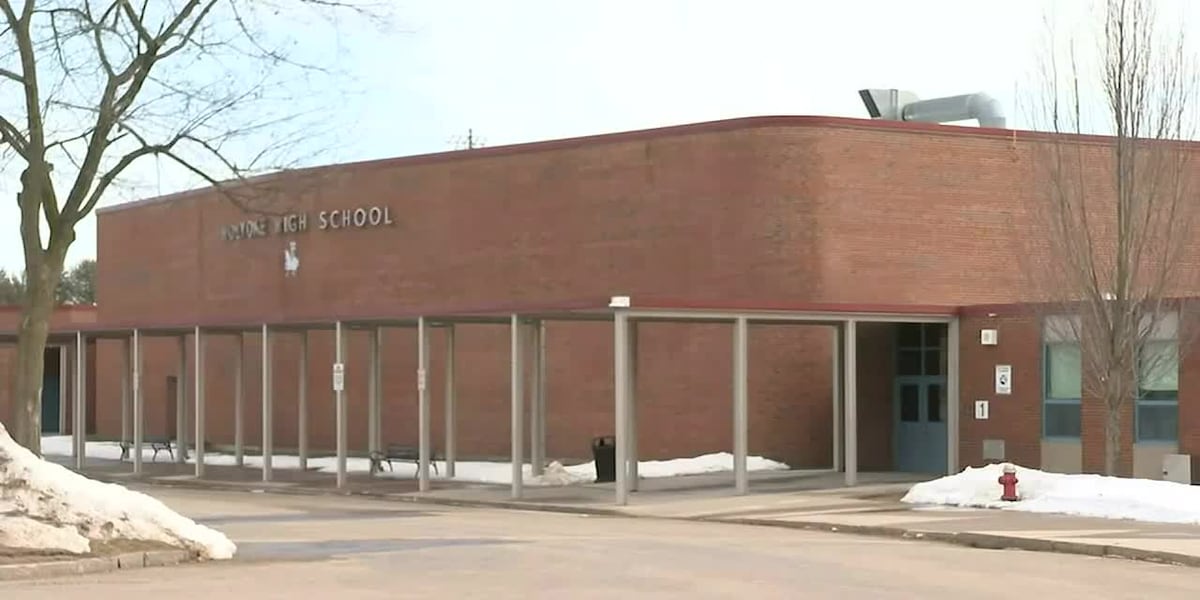
Earlier this week, two former students attempted to enter Holyoke High School North through a side door. Staff members promptly intervened, instructing the individuals to use the front entrance if they needed access to the building. According to school officials and police reports, the pair left the premises without incident.
What concerned school leaders wasn’t the incident itself, which was swiftly resolved, but rather how quickly misinformation spread through social media channels in the hours that followed.
One parent posted on Facebook claiming that “two armed men tried breaking into Holyoke High School this morning and they don’t tell the parents.” This claim directly contradicted the facts of the situation. Holyoke Police confirmed to local news outlets that “there were no weapons involved and the two left without incident.”
In response to the spreading misinformation, school administrators sent a letter to parents explaining what actually occurred and expressing concern about students’ behavior following the incident.
“Several students did not tell a trusted adult at school as soon as they started hearing about this incident – and instead shared inaccurate information on social media,” the letter stated, highlighting a growing problem schools face in the digital age.
The school is now reinforcing crucial guidance with students: if you see, hear, or learn of anything potentially dangerous, inform a trusted adult at school immediately rather than posting unverified information online. School leaders emphasized that this approach ensures authorities receive accurate information and can respond effectively to genuine threats.
Security experts note that this incident reflects a broader challenge for educational institutions nationwide. Social media’s immediate and widespread reach can amplify unsubstantiated rumors, potentially causing panic and hindering proper emergency response procedures.
“Seconds count in a true emergency—and sharing unconfirmed information on social media or via text messages and phone calls can create panic and confusion, while helping to spread rumors that can hinder a police investigation,” the school’s letter explained to parents.
The detailed communication from the school included assurances that they are working closely with Holyoke Police to fully investigate the situation. School officials confirmed that the individuals involved were identified through security camera footage and will be interviewed by law enforcement as part of standard protocol.
This incident highlights the evolving security challenges faced by schools across the country. While physical security measures like controlled entry points and staff vigilance effectively prevented unauthorized access in this case, digital misinformation presented a secondary crisis requiring its own response.
Educational security consultants recommend that schools incorporate social media literacy and emergency communication protocols into their safety training for both students and parents. Teaching young people the responsibility that comes with digital communication, especially during potential security situations, has become an essential component of school safety planning.
The Holyoke incident serves as a reminder that school security in 2026 requires addressing both physical threats and information management. As schools continue to enhance their security infrastructure, equal attention must be paid to developing clear communication channels and promoting responsible digital citizenship among students.
School officials have promised to provide updates as the investigation continues and have encouraged families with concerns to contact the school office directly rather than relying on social media for information about school safety matters.
Fact Checker
Verify the accuracy of this article using The Disinformation Commission analysis and real-time sources.

10 Comments
While security incidents can be unsettling, it’s important not to let fear and rumors cloud the facts. The school’s clear response is commendable.
Agreed. Staying level-headed and focused on the actual events, rather than unsubstantiated claims, is the best approach in these situations.
This incident highlights the importance of verifying information, especially on social media, before jumping to conclusions. I appreciate the school’s transparency in setting the record straight.
It’s concerning to see how quickly exaggerated rumors can spread online. I’m glad the school and police were able to provide the accurate details to the public.
Absolutely. Fact-based communication from authorities helps counter the impact of social media-driven misinformation.
Kudos to the school for taking swift action to address the false claims. Maintaining public trust during these situations is important for the community.
It’s good to see the school taking proactive steps to address the misinformation. Transparency and clear communication from authorities are important to avoid unnecessary panic in these situations.
Agreed. Social media can amplify false narratives quickly, so it’s crucial for officials to provide factual updates to the community.
This highlights the need for caution when consuming social media rumors, especially around sensitive security incidents. I’m glad the school clarified the actual events to allay concerns.
Yes, responsible reporting and fact-checking are critical to prevent the spread of misinformation, which can have serious consequences.