


Listen to the article
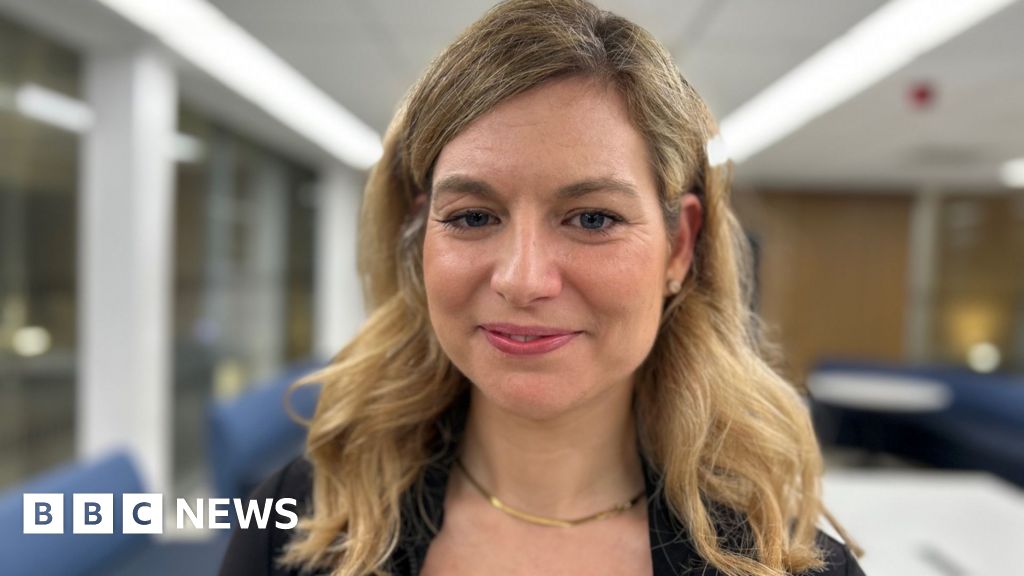
In a digital era where online misinformation can significantly impact health decisions, a Hebburn woman has turned her personal fertility struggles into a mission to combat falsehoods circulating on social media platforms.
After enduring a challenging seven-year journey to conceive, 31-year-old Sarah Parker found herself increasingly concerned about the volume of inaccurate fertility information spreading across popular platforms like Instagram and TikTok. Her experience navigating the complex world of fertility treatments while simultaneously encountering misleading claims online prompted her to take action.
“I was shocked by how much dangerous misinformation was being presented as fact,” Parker explained. “People in vulnerable positions are being targeted with false hope and potentially harmful advice when they’re already at their most desperate.”
Parker underwent multiple rounds of fertility treatments before successfully conceiving her daughter through IVF. Throughout this process, she witnessed firsthand how easily unverified claims about miracle fertility cures and unproven treatments could spread online, often promoted by accounts with no medical credentials.
The problem has grown exponentially in recent years, according to fertility specialists. Dr. Emma Richardson, a reproductive endocrinologist at Newcastle Fertility Centre, confirms seeing a troubling increase in patients arriving at appointments with misconceptions derived from social media.
“We’re spending more time than ever before debunking myths patients have absorbed online,” Dr. Richardson said. “These range from relatively harmless misconceptions to genuinely concerning advice that could delay proper treatment or cause physical harm.”
In response, Parker has launched a digital literacy initiative specifically focused on fertility information. Her project includes educational workshops for women navigating fertility journeys and a verification resource that helps identify credible sources of reproductive health information.
The North East has seen particularly high engagement with fertility-related content online, according to recent digital media research. The region reports above-average social media consumption of health information, making Parker’s locally-focused efforts especially relevant.
“When you’re struggling to conceive, you become incredibly vulnerable to anyone offering solutions,” Parker said. “I’ve seen women spend thousands on supplements, treatments, and consultations based solely on the recommendation of influencers with no medical background.”
Health misinformation experts point to fertility content as particularly problematic because it operates in an emotionally charged space where scientific nuance often gets lost. Dr. James Thompson, who researches health communication at Durham University, notes that fertility misinformation thrives because it targets people during periods of emotional vulnerability.
“The fertility treatment landscape is already complex and confusing,” Dr. Thompson explained. “When you add the algorithmic amplification of unverified claims on social media, you create perfect conditions for misinformation to flourish.”
Parker’s initiative has already reached hundreds of women across the North East. She collaborates with regional fertility clinics to distribute evidence-based information and provides digital literacy training to help women critically evaluate health claims they encounter online.
The NHS has recognized the growing problem of fertility misinformation, with several trusts now developing their own social media presences to counter inaccurate information. The Human Fertilisation and Embryology Authority (HFEA), which regulates fertility treatments in the UK, has also launched campaigns addressing common misconceptions circulating online.
“The challenge is that scientific information often can’t compete with emotionally resonant anecdotes on social media,” said Helen Marshall from HFEA. “Stories of miracle cures spread faster than nuanced medical explanations.”
For Parker, the mission is deeply personal but has broader implications for public health. She emphasizes that her goal isn’t to discourage hope but rather to ensure women make decisions based on accurate information.
“I want women to feel empowered by knowledge, not manipulated by misinformation,” Parker said. “There’s enough heartbreak on the fertility journey without adding false hope and financial exploitation into the mix.”
As social media platforms continue to grapple with health misinformation on their services, grassroots efforts like Parker’s highlight the critical role of community-based education in building resilience against online falsehoods.
Fact Checker
Verify the accuracy of this article using The Disinformation Commission analysis and real-time sources.

16 Comments
This is a really important issue that deserves more attention. Fertility is such a sensitive and complex topic – having access to accurate, science-based information is critical. Kudos to this woman for using her personal experience to combat the spread of misinformation.
Absolutely. It’s great that she’s using her voice to empower others and raise awareness about the dangers of online fertility misinformation. Fact-checking and relying on reputable medical sources is so crucial in this space.
The proliferation of fertility-related misinformation on social media is a real problem that needs to be addressed. I’m glad this woman is raising awareness and taking action – her personal experience gives her valuable insight into the issue.
Agreed, personal stories can be powerful in highlighting the real-world impacts of online health misinformation. Hopefully her efforts will inspire others to be more discerning consumers of fertility-related content online.
This is a growing problem that needs to be addressed. Social media platforms need to do more to moderate and remove content that promotes unverified fertility ‘cures’ or treatments. Fact-checking and reputable sources are essential.
Absolutely. Vulnerable people struggling with fertility issues shouldn’t be preyed upon by those spreading misleading claims online. Kudos to this woman for raising awareness and trying to combat the misinformation.
This is a concerning trend, but I’m glad to see someone taking a stand against the spread of dangerous fertility misinformation online. It’s crucial that people have access to science-based, medically sound information during such a sensitive time.
Absolutely. Fertility treatments can be an emotional and difficult journey, the last thing people need is to be misled by unverified claims. Props to this woman for using her voice to combat these harmful falsehoods.
It’s admirable that this woman is using her personal experience to try and make a difference. Fertility is such a sensitive and complex issue – having accurate information is critical. Combating online falsehoods is an important mission.
I agree, her efforts to counter misinformation and empower others with the facts are really commendable. Fertility struggles are challenging enough without having to sift through unreliable claims online.
The spread of online fertility misinformation is a growing concern that needs to be addressed. I’m glad to see this woman taking action to raise awareness and counter the harmful falsehoods being promoted, especially on social media platforms.
Agreed, social media companies need to do more to moderate and remove this type of misleading content. Vulnerable people struggling with fertility issues shouldn’t be exploited by those spreading unverified claims.
This is an important issue that impacts vulnerable people. Fertility struggles are challenging enough without having to navigate a sea of unverified claims and false cures online. Kudos to this woman for using her voice to combat misinformation.
Absolutely. Fact-checking and relying on reputable medical sources is so crucial when it comes to sensitive health topics like fertility. Her work to empower others with accurate information is really commendable.
Wow, this is a really important issue. Online misinformation can be so damaging, especially when it comes to sensitive health topics like fertility. I’m glad this woman is taking action to combat the spread of false claims.
Agreed, it’s crucial that people have access to accurate, evidence-based information on fertility treatments and options. Spreading misinformation in this space can be very harmful.