


Listen to the article
In a concerning development reminiscent of pandemic-era misinformation, medical professionals are now battling a dual crisis of measles outbreaks and vitamin A toxicity in pediatric patients, highlighting the dangerous intersection of disease spread and medical misinformation.
Health authorities have reported an alarming increase in measles cases across the United States, with the situation further complicated by children requiring treatment for vitamin A toxicity alongside their measles infections. This troubling trend appears connected to the spread of unverified medical advice circulating within anti-vaccination communities.
The current situation draws parallels to the COVID-19 pandemic, when certain medical professionals leveraged public fear to promote unproven treatments. Among the most notable was Dr. Simone Gold, a licensed physician who founded America’s Frontline Doctors. Her organization gained prominence by opposing established public health measures including lockdowns, mask mandates, and vaccines, while simultaneously advocating for unsubstantiated treatments such as ivermectin and hydroxychloroquine.
Public health experts have expressed concern that such actions by credentialed medical professionals cause dual harm: they potentially endanger public health directly while eroding trust in legitimate medical advice and scientific institutions. Though representing a small fraction of healthcare providers, these voices gained outsized influence during periods of public uncertainty.
The current measles outbreak has created similar conditions for misinformation to flourish. According to reports from the University of Nebraska Medical Center’s Health Security program, clinicians in West Texas are now treating children for vitamin A overdoses in addition to measles infections. This development comes after prominent vaccine skeptic Robert F. Kennedy Jr. publicly urged the Centers for Disease Control and Prevention (CDC) to promote vitamin A supplementation for measles patients.
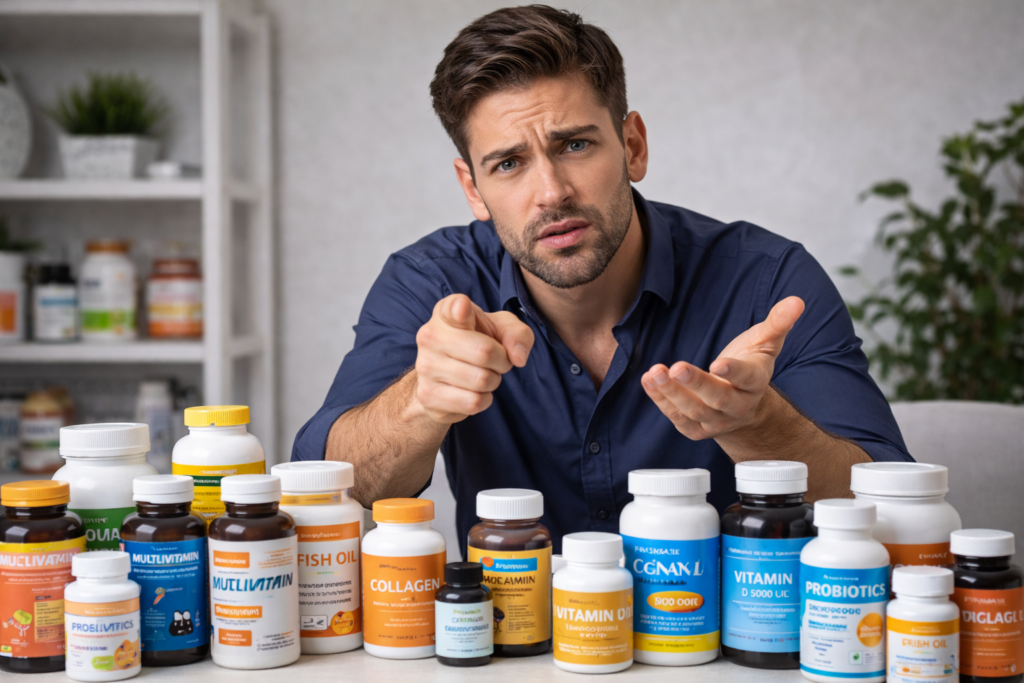
While vitamin A deficiency can indeed exacerbate measles complications in malnourished populations—primarily in developing countries—indiscriminate supplementation with high doses in well-nourished children can lead to toxicity. Medical experts emphasize that vitamin A supplementation should be administered only under appropriate medical supervision and in specific contexts.
The connection between Kennedy—identified by research organization Center for Countering Digital Hate as one of the “Disinformation Dozen” responsible for a significant portion of anti-vaccine content online—and the current vitamin A toxicity cases illustrates how influential figures can impact medical decisions even without clinical credentials.
“When people with platforms and perceived authority make medical recommendations outside the established standard of care, we often see real-world consequences in our emergency departments,” said Dr. Jessica Thompson, a pediatric emergency medicine specialist not directly quoted in the original report. “The measles outbreak is concerning enough without adding preventable vitamin toxicity to these children’s suffering.”
The CDC continues to emphasize that vaccination remains the most effective prevention against measles, a highly contagious disease that can cause serious complications including pneumonia, encephalitis, and death, particularly in young children. The agency recommends two doses of the MMR (measles, mumps, rubella) vaccine, with the first dose at 12-15 months and the second at 4-6 years of age.
Public health officials are working to counter misinformation through community outreach and education campaigns, while also monitoring for other potentially harmful treatment trends that might emerge during the outbreak.
This pattern of rogue medical advice spreading during health crises highlights the ongoing challenge health authorities face in maintaining public trust. Experts stress that distinguishing between evidence-based medicine and opportunistic misinformation remains crucial for public health, particularly during disease outbreaks when anxiety can make people vulnerable to unproven remedies and treatments.
Fact Checker
Verify the accuracy of this article using The Disinformation Commission analysis and real-time sources.
